

Secrets Of Montana’s Bozeman Trail Trading Post Foundations
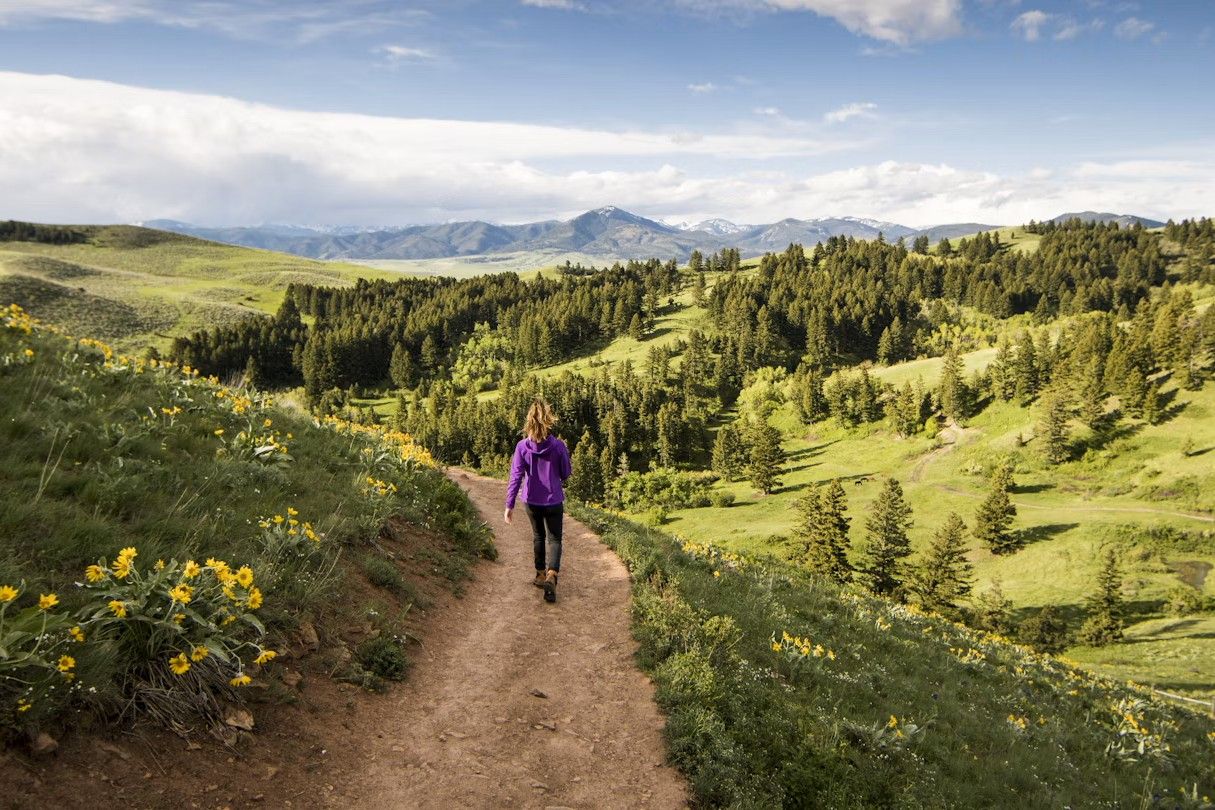
Have you ever wondered about the hidden stories behind Montana's Bozeman Trail Trading Post foundations? This historic trail, once a bustling route for pioneers, holds secrets of the Old West. Imagine the clatter of wagon wheels, the chatter of traders, and the promise of new beginnings. The trading posts along this trail were more than just stops; they were lifelines for travelers. They provided essential supplies, news, and a place to rest. Today, these foundations offer a glimpse into a bygone era, revealing tales of adventure, hardship, and resilience. Join us as we uncover the fascinating history of these trading posts.
Discovering the Bozeman Trail Trading Post Foundations
Montana's Bozeman Trail is a historical gem, offering a glimpse into the past. The trading posts along this trail were vital for settlers and traders. Let's uncover some of these fascinating locations.
1. Fort Laramie
Fort Laramie served as a crucial stop for travelers on the Bozeman Trail. Established in 1834, it provided supplies and protection.
- Historical Significance: Originally a fur trading post, it later became a military outpost.
- Visitor Experience: Explore restored buildings and learn about life on the frontier.
2. Fort Reno
Fort Reno, built in 1865, was another key trading post. It aimed to protect travelers from potential threats.
- Strategic Location: Positioned near the Powder River, it offered a safe haven.
- Artifacts: View artifacts from the era, including weapons and tools.
3. Fort Phil Kearny
Fort Phil Kearny, established in 1866, played a significant role in the Indian Wars. It was one of the largest forts on the trail.
- Military History: Learn about the battles fought here, including the Fetterman Fight.
- Reconstructed Buildings: Walk through reconstructed barracks and officers' quarters.
4. Fort C.F. Smith
Fort C.F. Smith, built in 1866, was the northernmost post on the Bozeman Trail. It was essential for protecting settlers.
- Remote Outpost: Its remote location made it a challenging but vital fort.
- Exhibits: Discover exhibits detailing the fort's history and daily life.
5. Fort Ellis
Fort Ellis, established in 1867, supported the growing number of settlers in the area. It was named after Colonel Augustus Ellis.
- Agricultural Hub: The fort helped develop agriculture in the region.
- Historic Buildings: Visit the remaining structures and learn about their uses.
6. Fort Benton
Fort Benton, founded in 1846, was a major trading post on the Missouri River. It became a key supply point for the Bozeman Trail.
- River Trade: The fort's location on the river made it a bustling trade center.
- Museum: Explore the fort's museum, showcasing its rich history.
7. Fort Shaw
Fort Shaw, built in 1867, was another important post on the trail. It served as a military and trading hub.
- Educational Role: Later, it became a school for Native American children.
- Preserved Grounds: Walk through the well-preserved grounds and buildings.
8. Fort Assinniboine
Fort Assinniboine, established in 1879, was one of the largest forts in the region. It played a crucial role in maintaining peace.
- Massive Complex: The fort covered over 700,000 acres.
- Historical Tours: Take guided tours to learn about its extensive history.
9. Fort Missoula
Fort Missoula, founded in 1877, was built to protect settlers from potential conflicts. It later became a training center during World War II.
- Diverse History: Its history spans from frontier defense to military training.
- Interactive Exhibits: Engage with interactive exhibits detailing its past.
10. Fort Keogh
Fort Keogh, established in 1876, was named after Captain Myles Keogh. It served as a base for military operations in the region.
- Military Operations: Learn about the fort's role in various military campaigns.
- Historic Site: Visit the site to see remnants of the original structures.
11. Fort Maginnis
Fort Maginnis, built in 1880, was one of the last forts established on the Bozeman Trail. It aimed to protect settlers and maintain order.
- Late Addition: As one of the last forts, it marked the end of an era.
- Visitor Center: The visitor center offers insights into the fort's history.
12. Fort Peck
Fort Peck, established in 1867, was a trading post and military outpost. It later became known for the Fort Peck Dam.
- Engineering Marvel: The dam is an impressive feat of engineering.
- Historical Exhibits: Learn about the fort's dual role in trade and military defense.
The Legacy of Bozeman Trail Trading Posts
Bozeman Trail trading posts hold a special place in Montana's history. These outposts were more than just places to trade goods. They were lifelines for pioneers and settlers. They offered supplies, shelter, and a sense of community in a harsh and unfamiliar land. Today, the remnants of these trading posts remind us of the resilience and ingenuity of early settlers. Visiting these sites offers a glimpse into the past, allowing us to appreciate the challenges and triumphs of those who came before us. Whether you're a history buff or just curious, exploring these foundations can be a rewarding experience. So next time you're in Montana, take a moment to visit these historic sites. You'll walk away with a deeper understanding of the state's rich heritage and the enduring spirit of its people.
