Secrets Of Montana’s Bozeman Trail Stagecoach Relay Stations
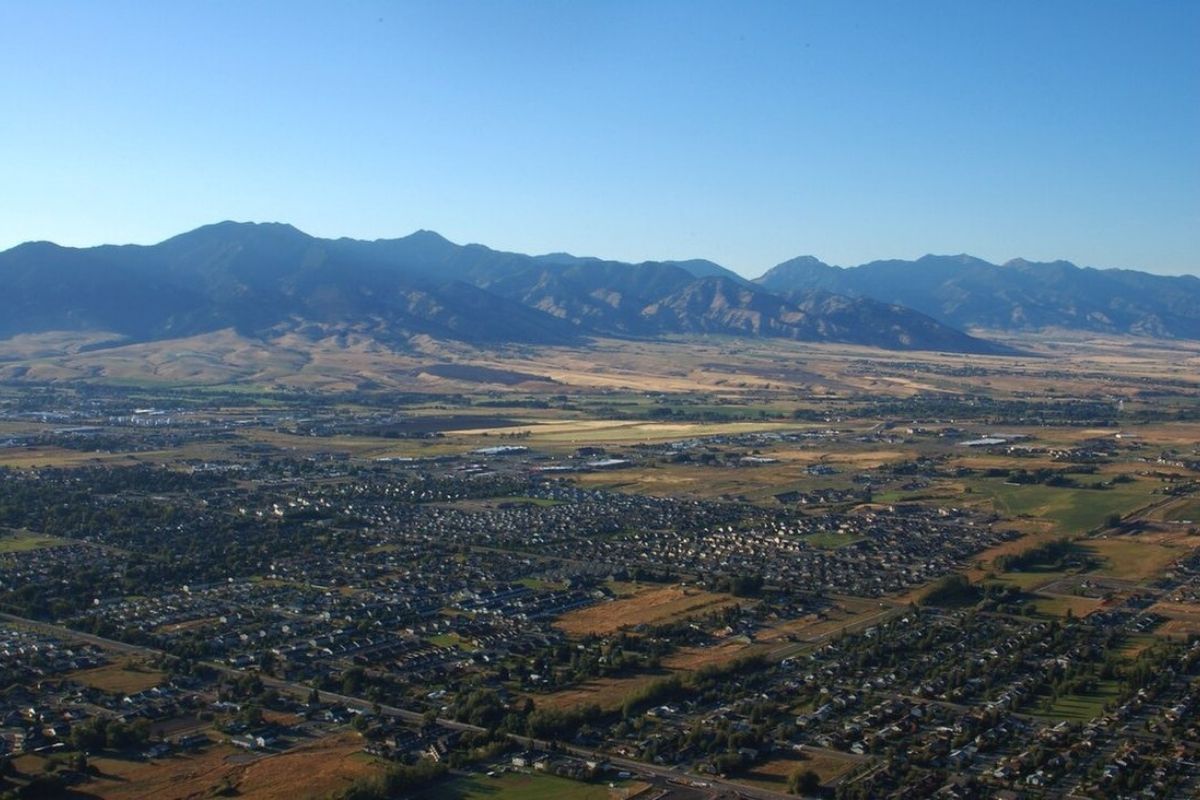
Have you ever wondered about the hidden stories of the Bozeman Trail Stagecoach Relay Stations in Montana? These stations played a crucial role in the 1860s, providing rest and supplies for travelers heading west. Imagine the hustle and bustle as stagecoaches arrived, horses were swapped, and passengers stretched their legs. Each station had its own unique charm and challenges, from dealing with harsh weather to ensuring safety from potential threats. Today, these sites offer a glimpse into the past, letting us step back in time to experience a piece of American history. Ready to uncover the secrets of these fascinating relay stations?
The Historic Bozeman Trail
The Bozeman Trail, a significant route during the mid-1800s, connected the gold rush territory of Montana to the Oregon Trail. Along this path, stagecoach relay stations played a crucial role in providing rest and supplies for travelers. These stations, scattered across the rugged landscape, hold fascinating stories and remnants of the past.
Key Stagecoach Relay Stations
Let's delve into some of the most notable stagecoach relay stations along the Bozeman Trail. Each one has its own unique history and charm.
- Fort Laramie
Fort Laramie, originally a fur trading post, became a vital military outpost and stagecoach station. It served as a major supply point and a place of rest for weary travelers. The fort's strategic location made it a hub of activity and a key player in the westward expansion.
- Fort Reno
Fort Reno, established to protect travelers from Native American attacks, was another crucial relay station. It provided a safe haven and essential supplies for those journeying along the Bozeman Trail. The fort's presence helped ensure the safety and success of many expeditions.
- Fort Phil Kearny
Fort Phil Kearny, named after a Union Army general, was one of the most significant military posts along the trail. It played a pivotal role in protecting settlers and stagecoaches from hostile encounters. The fort's history is marked by several notable battles and skirmishes.
- Fort C.F. Smith
Fort C.F. Smith, located in present-day Montana, was established to safeguard the Bozeman Trail. It served as a relay station and a defensive outpost. The fort's remote location made it a challenging but essential stop for travelers seeking refuge and supplies.
- Fort Ellis
Fort Ellis, near present-day Bozeman, Montana, was a key military post and stagecoach station. It provided protection and support for settlers and miners heading to the goldfields. The fort's strategic location made it a vital link in the chain of relay stations along the trail.
Lesser-Known Relay Stations
While the major forts are well-documented, several lesser-known relay stations also played important roles in the history of the Bozeman Trail.
- Rock Creek Station
Rock Creek Station, a small but significant stop, provided fresh horses and supplies for stagecoaches. Its strategic location made it a crucial link in the network of relay stations. The station's history is intertwined with the stories of the travelers who passed through.
- Big Horn Station
Big Horn Station, located near the Big Horn River, was another essential relay point. It offered a place of rest and resupply for those journeying along the trail. The station's remote location added to the challenges faced by travelers, but it also provided a much-needed respite.
- Crazy Woman Crossing
Crazy Woman Crossing, named after a local legend, was a unique and memorable relay station. It provided a safe crossing point over the Crazy Woman Creek and offered supplies and rest for weary travelers. The station's name and history continue to intrigue and captivate those who learn about it.
The Legacy of the Bozeman Trail
The Bozeman Trail and its stagecoach relay stations played a crucial role in the westward expansion of the United States. These stations, each with its own unique history, provided essential support for travelers and helped shape the development of the American West. Today, the remnants of these stations serve as a testament to the challenges and triumphs of those who journeyed along the trail.
Montana's Hidden Gems
Bozeman Trail stagecoach relay stations offer a glimpse into Montana's rich history. These hidden gems tell stories of pioneers, adventurers, and the rugged spirit of the Old West. Visiting these sites, you can almost hear the echoes of stagecoaches and the hustle of station workers. Each station has its own unique charm and historical significance, making them worth exploring.
Whether you're a history buff or just love discovering new places, these relay stations provide a fascinating look into the past. They remind us of the challenges and triumphs faced by those who traveled the Bozeman Trail. So next time you're in Montana, take a detour to visit these remarkable sites. You'll leave with a deeper appreciation for the state's heritage and the people who shaped it.