

Secrets Of Minnesota’s Prairie Carbon Research Plots
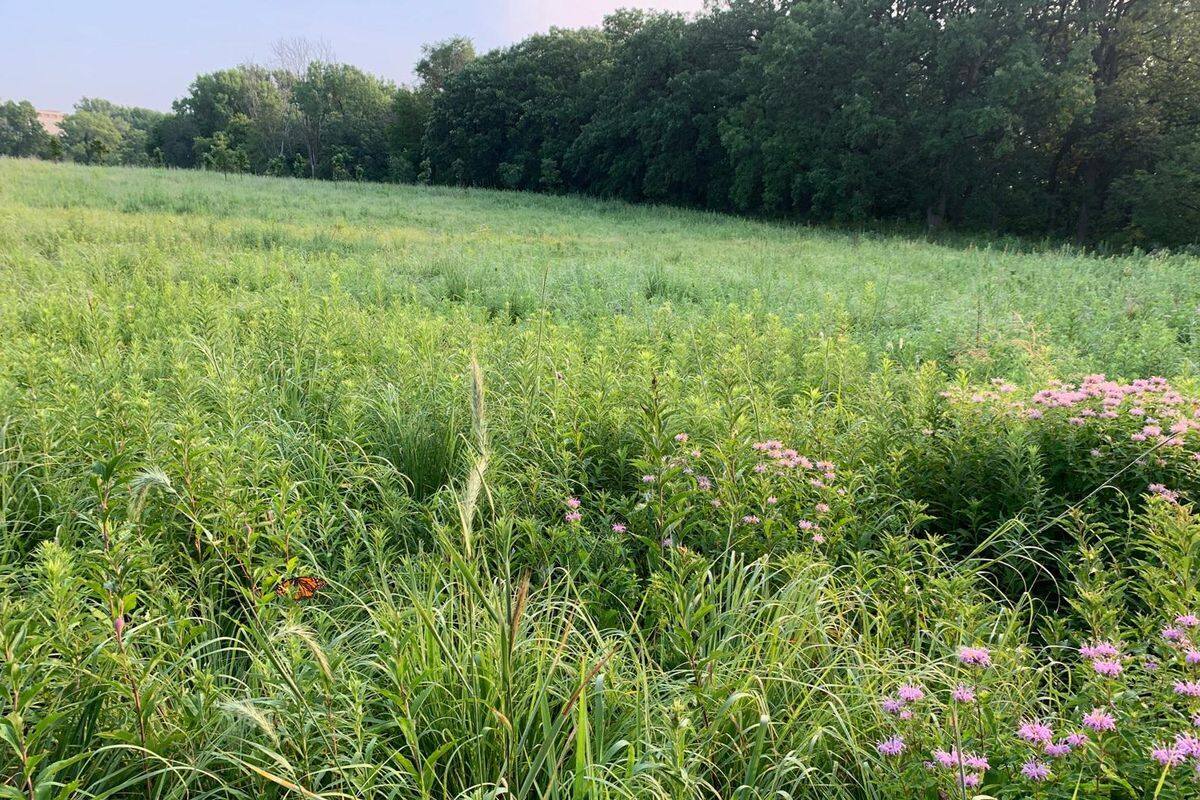
Have you ever wondered how Minnesota's Prairie Carbon Research Plots help fight climate change? These plots are more than just fields of grass. They play a crucial role in understanding how prairies can store carbon and reduce greenhouse gases. Scientists study these areas to see how different plants and soil types affect carbon storage. This research helps create better strategies for managing land and protecting the environment. By learning from these plots, we can find new ways to combat climate change and preserve our planet for future generations. Ready to learn more about this fascinating topic? Let's dive in!
Secrets of Minnesota's Prairie Carbon Research Plots
Minnesota's prairies hold secrets that scientists are eager to uncover. These vast landscapes are not just beautiful; they play a crucial role in carbon sequestration. Let's dive into some of the most intriguing prairie carbon research plots in Minnesota.
1. Cedar Creek Ecosystem Science Reserve
Cedar Creek is a hub for ecological research. Located in East Bethel, this reserve has been the site of groundbreaking studies on biodiversity and carbon storage. Researchers here explore how different plant species affect carbon sequestration.
2. Glacial Ridge National Wildlife Refuge
Glacial Ridge, near Crookston, is one of the largest prairie restoration projects in the U.S. Scientists study how restored prairies compare to untouched ones in terms of carbon storage. The findings help guide future restoration efforts.
3. Bluestem Prairie Scientific and Natural Area
Bluestem Prairie, located near Glyndon, offers a glimpse into untouched prairie ecosystems. Researchers here focus on how natural prairies store carbon compared to agricultural lands. The data collected is vital for understanding the prairie’s role in carbon cycling.
4. Chippewa Prairie
Chippewa Prairie, in western Minnesota, is a collaborative effort between The Nature Conservancy and the Minnesota Department of Natural Resources. This site is used to study the effects of grazing and fire on carbon storage. The results help manage prairies more effectively.
5. Lac qui Parle Wildlife Management Area
Lac qui Parle, near Watson, is another key site for prairie research. Scientists here examine how different management practices, like controlled burns, impact carbon sequestration. The insights gained are crucial for developing sustainable land management strategies.
6. Tallgrass Aspen Parklands
Located in northwestern Minnesota, this unique area combines prairie and forest ecosystems. Researchers study how the interaction between these two landscapes affects carbon storage. The findings are essential for understanding mixed ecosystems.
7. Prairie Coteau Scientific and Natural Area
Prairie Coteau, near Pipestone, is known for its rolling hills and diverse plant life. Scientists focus on how topography and plant diversity influence carbon storage. The research here helps predict how prairies might respond to climate change.
8. Rothsay Prairie
Rothsay Prairie, located in Wilkin County, is a pristine example of Minnesota’s native prairies. Researchers study soil carbon levels and plant biomass to understand the prairie’s carbon dynamics. The data is used to model carbon storage in similar ecosystems.
9. Ordway Prairie
Ordway Prairie, managed by The Nature Conservancy, is a key site for studying the long-term impacts of prairie restoration. Located near Leola, researchers here monitor changes in soil carbon over time. The findings help improve restoration techniques.
10. Sheyenne National Grassland
Sheyenne National Grassland, straddling the Minnesota-North Dakota border, offers a unique research opportunity. Scientists study how grazing practices affect carbon storage in grasslands. The results inform sustainable grazing practices.
Minnesota's prairies are more than just scenic landscapes. They are living laboratories that help us understand the intricate balance of carbon in our environment. Each research plot offers unique insights, contributing to a broader understanding of how prairies can help mitigate climate change.
The Impact of Prairie Carbon Research
Minnesota's prairie carbon research plots offer valuable insights into how prairies capture and store carbon. These plots help scientists understand the role prairies play in combating climate change. By studying these areas, researchers can develop better conservation strategies to protect and restore prairies.
Prairies are not just beautiful landscapes. They are vital ecosystems that support diverse plant and animal life. The research conducted in Minnesota highlights the importance of preserving these natural habitats. Protecting prairies can lead to healthier environments and more effective carbon storage.
The work being done in Minnesota's prairie carbon research plots is crucial for our planet's future. It provides a roadmap for other regions to follow in their conservation efforts. By supporting and expanding this research, we can make significant strides in the fight against climate change.
