Hidden Insights Of Prairie Restoration At Minnesota’s Bell Museum
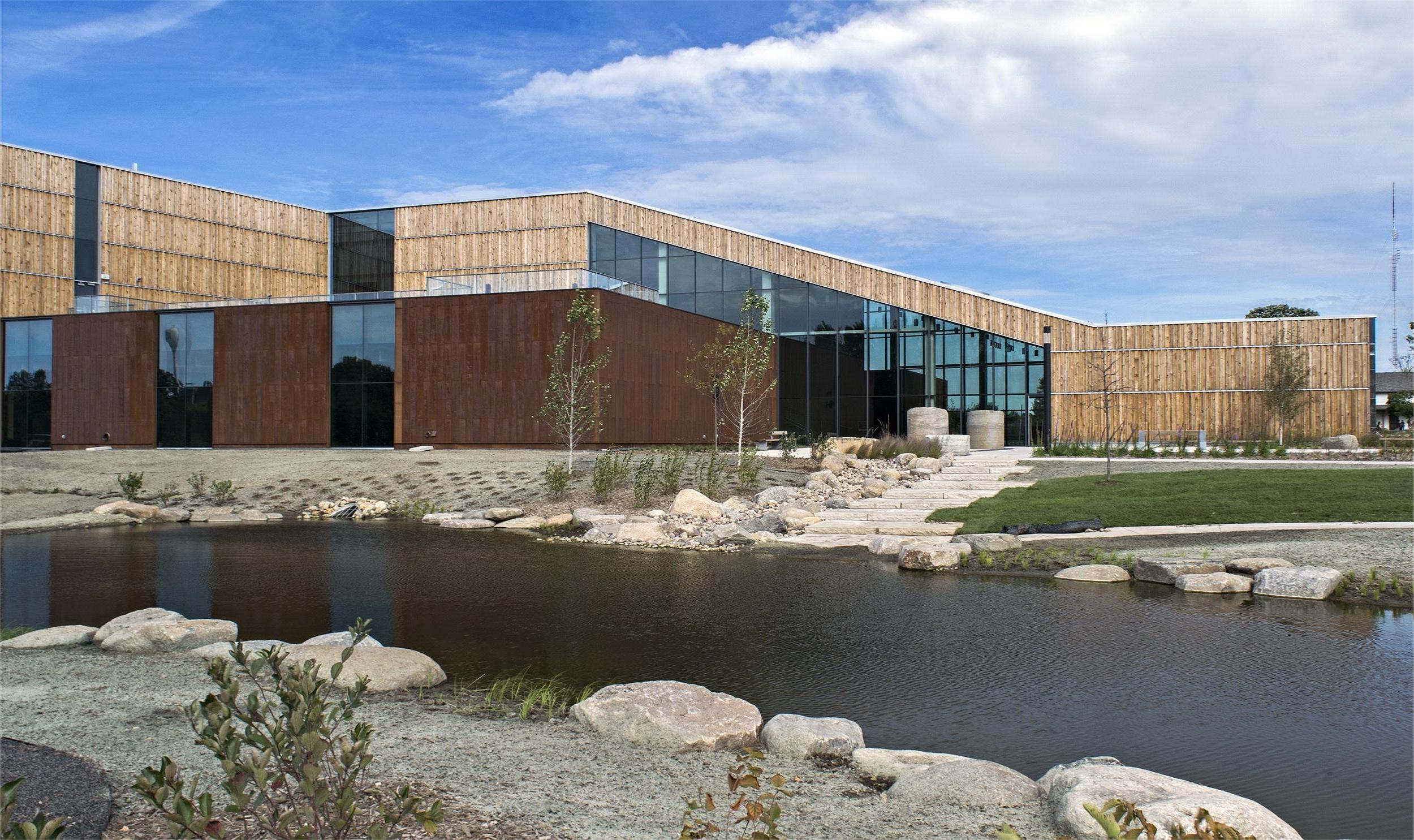
Have you ever wondered what goes into prairie restoration? At Minnesota's Bell Museum, this process is more than just planting grass. It's about bringing back a whole ecosystem. The museum's prairie restoration project aims to recreate the natural habitat that once covered much of the state. This involves planting native species, managing invasive plants, and even reintroducing wildlife. Visitors can see firsthand how these efforts help the environment. The restored prairie provides a home for birds, insects, and other wildlife, creating a living classroom for everyone. Ready to learn more about this amazing project? Let's dive in!
Prairie Restoration: A Journey Back in Time
Prairie restoration at Minnesota's Bell Museum is like stepping into a time machine. These efforts aim to bring back the native landscapes that once covered vast areas of the Midwest. Here are some hidden gems you can explore.
- The Tallgrass Prairie
The Tallgrass Prairie is a living testament to the region's natural history. With grasses that can grow up to eight feet tall, it offers a glimpse into the past. Walking through this area, you can almost hear the whispers of the wind through the grass, just as it did centuries ago.
- The Pollinator Garden
Pollinators play a crucial role in maintaining the health of prairies. The Pollinator Garden at the Bell Museum is a vibrant, buzzing space filled with native flowers. It's a haven for bees, butterflies, and other pollinators, showcasing the intricate relationships within prairie ecosystems.
Wildlife Wonders: Creatures of the Prairie
The restored prairies are not just about plants. They are teeming with wildlife, each playing a unique role in the ecosystem. Here are some fascinating creatures you might encounter.
- Prairie Chickens
Prairie Chickens are iconic birds of the Midwest. Their booming calls and elaborate mating dances are a sight to behold. These birds are a symbol of the prairie and a success story of conservation efforts.
- Bison
Bison once roamed the prairies in massive herds. At the Bell Museum, you can learn about their history and importance to the ecosystem. Though you won't see live bison, the exhibits provide a deep understanding of their role in prairie life.
Educational Opportunities: Learning Through Experience
The Bell Museum offers numerous educational programs that bring prairie restoration to life. These programs are designed to engage visitors of all ages.
- Guided Tours
Guided tours offer an in-depth look at the prairie restoration efforts. Knowledgeable guides share stories and facts that make the prairie come alive. It's an excellent way to learn about the complexities of prairie ecosystems.
- Workshops and Classes
Workshops and classes provide hands-on experiences in prairie restoration. From planting native species to learning about soil health, these programs offer practical knowledge and skills.
The Future of Prairie Restoration
Prairie restoration is an ongoing effort. The Bell Museum is committed to preserving these landscapes for future generations. Here are some initiatives that are shaping the future.
- Research Projects
Research projects at the Bell Museum focus on understanding prairie ecosystems better. Scientists study everything from plant genetics to animal behavior, contributing valuable knowledge to the field of restoration ecology.
- Community Involvement
Community involvement is key to successful prairie restoration. The Bell Museum encourages volunteers to participate in restoration activities. It's a great way to contribute to conservation efforts and learn more about the natural world.
Hidden Trails: Exploring the Prairie
Exploring the prairie at the Bell Museum is an adventure. Hidden trails wind through the landscape, offering unique perspectives and experiences.
- The Butterfly Trail
The Butterfly Trail is a magical path that takes you through areas rich in nectar plants. It's a favorite spot for butterfly watching, especially during the summer months when these colorful insects are most active.
- The Wetland Walk
The Wetland Walk showcases the interconnectedness of prairie and wetland ecosystems. This trail takes you through marshy areas where you can observe waterfowl, amphibians, and a variety of plant species that thrive in wet conditions.
Prairie Restoration's Impact at Bell Museum
Prairie restoration at Minnesota's Bell Museum is more than just planting native grasses. It’s about biodiversity, ecosystem health, and educational opportunities. Visitors can see firsthand how restoring prairies helps local wildlife, improves soil quality, and supports pollinators. The museum’s efforts also provide a living classroom for students and nature enthusiasts. By engaging with this project, people gain a deeper appreciation for the environment and the importance of conservation. The Bell Museum’s prairie restoration serves as a model for similar projects nationwide. It shows how dedicated efforts can bring back native landscapes and benefit both nature and communities. Next time you visit, take a moment to walk through the restored prairies. You’ll witness the beauty and resilience of nature, and understand why preserving these ecosystems is crucial for our planet’s future.