

The Mystery Of Kansas’s Vanishing Prairie Chicken Leks
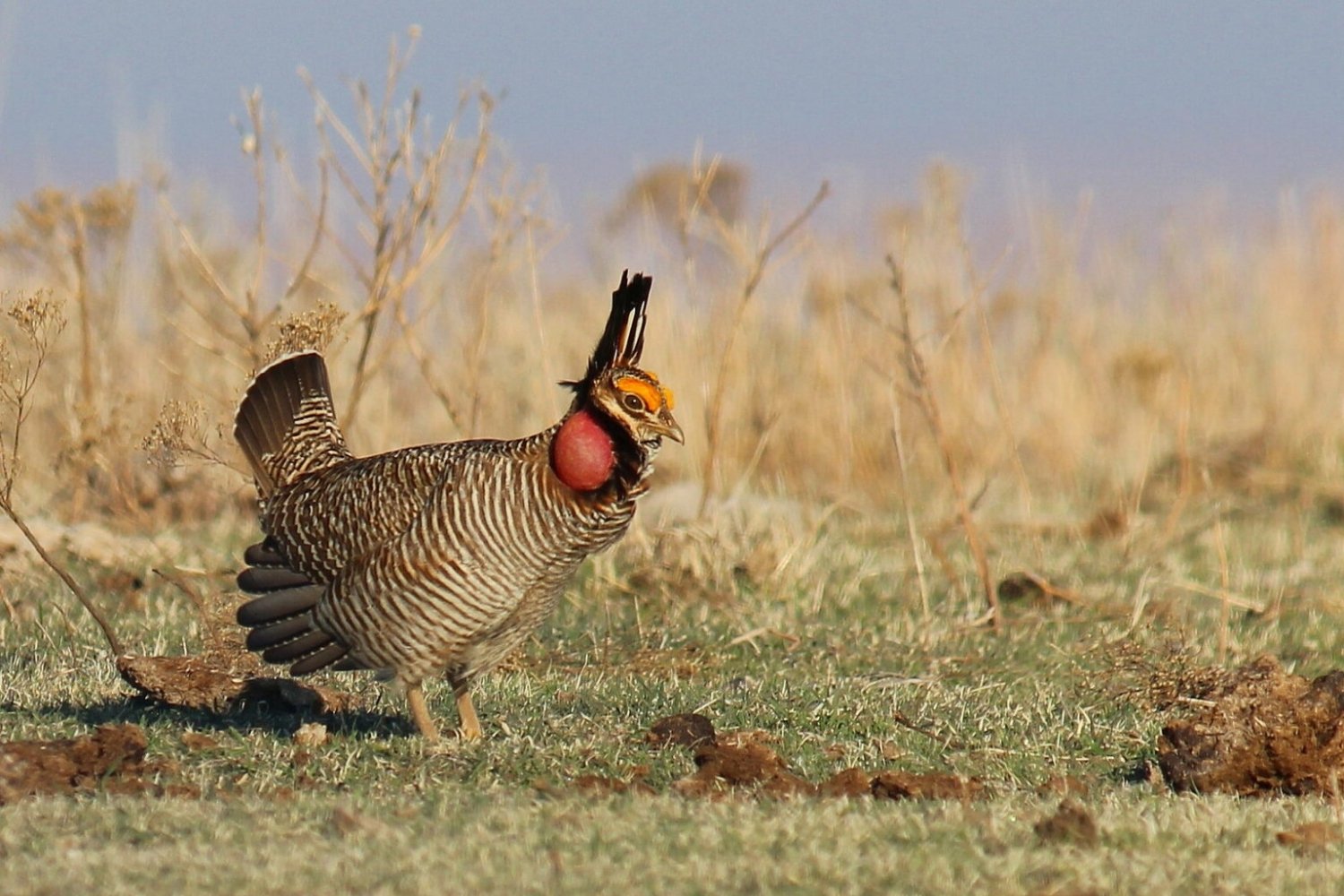
Have you ever wondered why the prairie chicken leks in Kansas are disappearing? These unique mating grounds, where male prairie chickens perform their elaborate dances to attract females, are becoming harder to find. This decline isn't just a concern for bird watchers; it signals broader environmental changes. Factors like habitat loss, climate change, and human activities are all playing a role. Understanding why these leks are vanishing can help us take steps to protect not just the prairie chickens, but also the rich biodiversity of Kansas's grasslands. Let's dive into the reasons behind this troubling trend and what can be done to reverse it.
The Disappearing Prairie Chicken Leks of Kansas
Kansas, known for its vast prairies and rolling hills, has long been home to the iconic prairie chicken. These birds, famous for their unique mating dances on leks, are now facing a mysterious decline. Let's explore some key locations where these leks are vanishing.
1. Smoky Hills
The Smoky Hills region, with its mixed-grass prairies, was once a bustling hub for prairie chicken leks. However, recent observations indicate a sharp decline in their numbers.
- Habitat Loss: Urban development and agricultural expansion have encroached on their natural habitat.
- Predation: Increased predator populations have also contributed to the decline.
2. Flint Hills
Flint Hills, known for its tallgrass prairie, has seen a significant reduction in prairie chicken leks. This area, once teeming with life, now struggles to maintain its bird population.
- Fire Suppression: Controlled burns, essential for maintaining the prairie ecosystem, have decreased, leading to habitat degradation.
- Invasive Species: Non-native plants have altered the landscape, making it less suitable for prairie chickens.
3. Red Hills
The Red Hills region, with its unique gypsum hills and canyons, has also experienced a decline in prairie chicken leks. This area, rich in biodiversity, faces several challenges.
- Climate Change: Altered weather patterns have impacted the availability of food and nesting sites.
- Human Disturbance: Increased recreational activities have disrupted the birds' natural behaviors.
4. High Plains
The High Plains, stretching across western Kansas, have historically supported large populations of prairie chickens. However, recent trends show a worrying decrease in lek activity.
- Agricultural Practices: Intensive farming techniques have reduced the availability of suitable lekking grounds.
- Pesticides: The use of chemicals in agriculture has negatively affected the birds' food sources.
5. Osage Cuestas
Osage Cuestas, characterized by its rolling hills and limestone outcrops, has not been immune to the decline in prairie chicken leks. This picturesque region faces several threats.
- Fragmentation: Roads and infrastructure projects have fragmented the landscape, isolating lek sites.
- Overgrazing: Livestock grazing has altered the vegetation structure, making it less favorable for prairie chickens.
6. Chautauqua Hills
Chautauqua Hills, with its oak-hickory forests and sandstone bluffs, has also seen a reduction in prairie chicken leks. This diverse habitat is under pressure from various factors.
- Oil and Gas Development: Energy extraction activities have disturbed the natural environment.
- Disease: Outbreaks of avian diseases have further impacted the already declining populations.
7. Arkansas River Lowlands
The Arkansas River Lowlands, with its rich floodplain ecosystems, has experienced a notable decline in prairie chicken leks. This area, vital for many species, faces significant challenges.
- Water Management: Changes in river flow and water usage have altered the habitat.
- Urban Sprawl: Expanding cities and towns have encroached on the natural lekking grounds.
8. Glaciated Region
The Glaciated Region, with its rolling hills and fertile soils, has also seen a decrease in prairie chicken leks. This area, shaped by ancient glaciers, is now facing modern threats.
- Land Conversion: Natural prairies have been converted to cropland, reducing available habitat.
- Noise Pollution: Increased noise from human activities has disrupted the birds' mating rituals.
9. Wellington-McPherson Lowlands
Wellington-McPherson Lowlands, known for its wetlands and marshes, has experienced a decline in prairie chicken leks. This unique ecosystem is under pressure from multiple sources.
- Wetland Drainage: Draining of wetlands for agriculture has reduced suitable lekking sites.
- Pollution: Runoff from agricultural fields has contaminated the water and soil, affecting the birds' health.
10. Cherokee Lowlands
Cherokee Lowlands, with its rich soils and diverse habitats, has also seen a reduction in prairie chicken leks. This area, once a stronghold for the species, now faces numerous challenges.
- Mining Activities: Extractive industries have altered the landscape, making it less hospitable for prairie chickens.
- Habitat Fragmentation: The division of land into smaller parcels has isolated lek sites, hindering the birds' ability to find mates.
Protecting Kansas's Prairie Chickens
Kansas's prairie chickens are facing a serious threat. Their leks are disappearing, which means their breeding grounds are vanishing. This decline is due to habitat loss, climate change, and human interference. Protecting these birds requires immediate action. Conservation efforts must focus on preserving and restoring their natural habitats. Farmers, landowners, and local communities can play a crucial role by adopting sustainable practices. Supporting organizations dedicated to wildlife conservation can also make a big difference. Raising awareness about the plight of prairie chickens is essential. By working together, we can help ensure that future generations will still hear the unique calls of these fascinating birds. Saving the prairie chicken isn't just about one species; it's about preserving the rich biodiversity of Kansas's prairies. Let's take action now before it's too late.
