

Hidden Tunnels Of Chicago’s Downtown Speakeasy
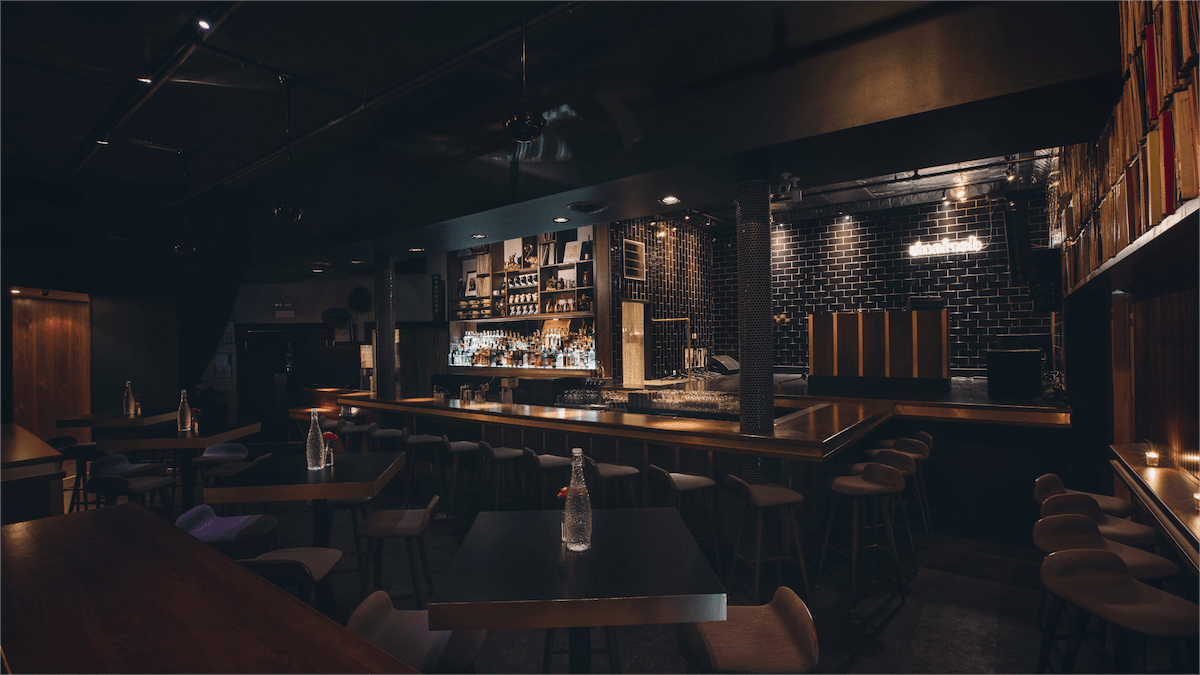
Have you ever wondered about the secret history beneath Chicago's bustling streets? Hidden below the city lies a network of tunnels that once served as passageways for speakeasies during Prohibition. These hidden tunnels were essential for transporting illegal alcohol and providing safe havens for those looking to enjoy a forbidden drink. Today, they offer a glimpse into a fascinating part of Chicago's past. Imagine walking through these underground paths, feeling the echoes of a bygone era. Whether you're a history buff or just curious, exploring these tunnels can be an unforgettable adventure. Ready to step back in time and uncover Chicago's underground secrets?
Hidden Tunnels of Chicago's Downtown Speakeasy
Chicago's downtown is a maze of history, mystery, and hidden gems. Beneath the bustling streets lies a network of secret tunnels that once connected speakeasies during Prohibition. These underground passages tell tales of a bygone era, where whispers of illicit activities echoed through the dark corridors. Let's dive into some of the most intriguing hidden tunnels of Chicago's downtown speakeasy scene.
The Green Mill's Secret Passage
The Green Mill Cocktail Lounge is a legendary jazz club with a storied past. Al Capone himself frequented this establishment, and it's said that a hidden tunnel beneath the bar allowed him to make a quick escape if needed.
- The Green Mill Cocktail Lounge: Located at 4802 N Broadway, this iconic spot still exudes the charm of the 1920s. The tunnel, now sealed, once connected to nearby buildings, providing a clandestine route for patrons.
The Palmer House's Hidden Corridor
The Palmer House Hilton, a historic hotel in the heart of downtown, has its own secrets. Beneath its luxurious facade lies a hidden corridor that once served as a discreet passage for guests seeking a taste of the forbidden.
- The Palmer House Hilton: Situated at 17 E Monroe St, this grand hotel boasts a tunnel that connected to nearby speakeasies. Though no longer in use, the corridor remains a fascinating piece of Chicago's history.
The Old Chicago Stock Exchange's Underground Network
The Old Chicago Stock Exchange, demolished in 1972, was once a hub of financial activity. Beneath its floors, a network of tunnels connected various buildings, allowing for the discreet movement of goods and people.
- The Old Chicago Stock Exchange: While the building itself is gone, the tunnels remain a testament to the ingenuity of the era. These passages linked the exchange to nearby speakeasies, facilitating secret transactions.
The Congress Plaza Hotel's Hidden Passageways
The Congress Plaza Hotel, known for its opulence and ghost stories, also harbors hidden passageways. These tunnels were used to transport guests and goods discreetly, adding to the hotel's mystique.
- The Congress Plaza Hotel: Located at 520 S Michigan Ave, this historic hotel features tunnels that once connected to nearby speakeasies. The passages, now closed, are a reminder of the hotel's colorful past.
The Auditorium Theatre's Secret Tunnels
The Auditorium Theatre, a masterpiece of architecture, has its own hidden secrets. Beneath the stage and seating areas, tunnels provided a means for performers and patrons to move unseen.
- The Auditorium Theatre: Found at 50 E Ida B Wells Dr, this stunning venue's tunnels once connected to nearby establishments. These hidden routes allowed for the discreet movement of people and goods during Prohibition.
The Drake Hotel's Concealed Corridors
The Drake Hotel, a symbol of elegance and luxury, also has its share of hidden corridors. These tunnels were used to transport high-profile guests and contraband during the Prohibition era.
- The Drake Hotel: Situated at 140 E Walton Pl, this iconic hotel features tunnels that once connected to nearby speakeasies. The concealed corridors, now sealed, are a fascinating glimpse into the past.
The Rookery Building's Hidden Passage
The Rookery Building, an architectural gem, has a hidden passage that once connected to nearby speakeasies. This tunnel allowed for the discreet movement of people and goods during the Prohibition era.
- The Rookery Building: Located at 209 S LaSalle St, this historic building's hidden passage is a testament to the ingenuity of the time. Though no longer in use, it remains a fascinating piece of Chicago's history.
Discovering Chicago's Hidden Tunnels
Exploring Chicago's hidden tunnels beneath downtown speakeasies offers a unique glimpse into the city's rich history. These underground passages, once bustling with secret activities during Prohibition, now stand as silent witnesses to a bygone era. Walking through these tunnels, you can almost hear the whispers of the past and feel the excitement of those who sought refuge from the law.
Visiting these hidden gems not only provides an adventure but also deepens your appreciation for Chicago's cultural heritage. Whether you're a history buff or just looking for something different to do, these tunnels are a must-see. They remind us of a time when creativity and resilience were key to survival.
Next time you're in Chicago, take a detour from the usual tourist spots. Dive into the hidden world beneath the city streets and uncover the secrets that lie below.
