

Part of our Hawaii guide.
Ancient Hawaiian farming relied on two main systems—wetland taro terraces and dryland fields—each engineered to work with the islands' specific conditions. The wetland terraces, called loʻi kalo, used circulating water and intricate stone-lined channels, while dryland farms employed stone walls and mounds to control erosion in areas with little rainfall.
Secret Taro Farms And Ancient Traditions
Taro, a plant with heart-shaped leaves, has been a staple in Hawaiian culture for centuries. It is not just a food source; it is a symbol of life and connection to the land. These farms, often tucked away in lush valleys, offer a glimpse into ancient traditions still alive today. Farmers cultivate taro using methods passed down through generations, respecting the land and its resources.
Ancient Fish Ponds
Ancient Hawaiians sustained their communities on small islands in part through fish ponds scattered across Hawaii. These structures, known as loko iʻa, were built centuries ago to cultivate fish sustainably. They showcase the Hawaiians' deep understanding of ecology and resource management. Walking along the shores, you can stumble upon these historical marvels, still standing against the test of time. Learning about these fish ponds offers a glimpse into the past and provides lessons in sustainability.
Ancient Agricultural Terraces
One of the most intriguing aspects of Hawaii is its ancient agricultural terraces. These terraces, built by early Hawaiians, showcase their ingenuity and deep connection to the land. Lush, green steps carved into the hillsides, where crops like taro and sweet potatoes thrived. These terraces provided food and helped manage water resources efficiently. Visiting these sites offers a glimpse into the past and a chance to appreciate the sustainable practices of ancient cultures.
Ancient Taro Field Engineering Secrets
Ancient Hawaiians cultivated taro in large quantities through a blend of ingenuity and respect for nature. These early farmers created intricate irrigation systems called "auwai" to move water between terraced fields. This method ensured a steady water supply, crucial for taro growth. They also designed terraced fields, which helped manage water resources efficiently. These techniques sustained large communities and preserved the environment.
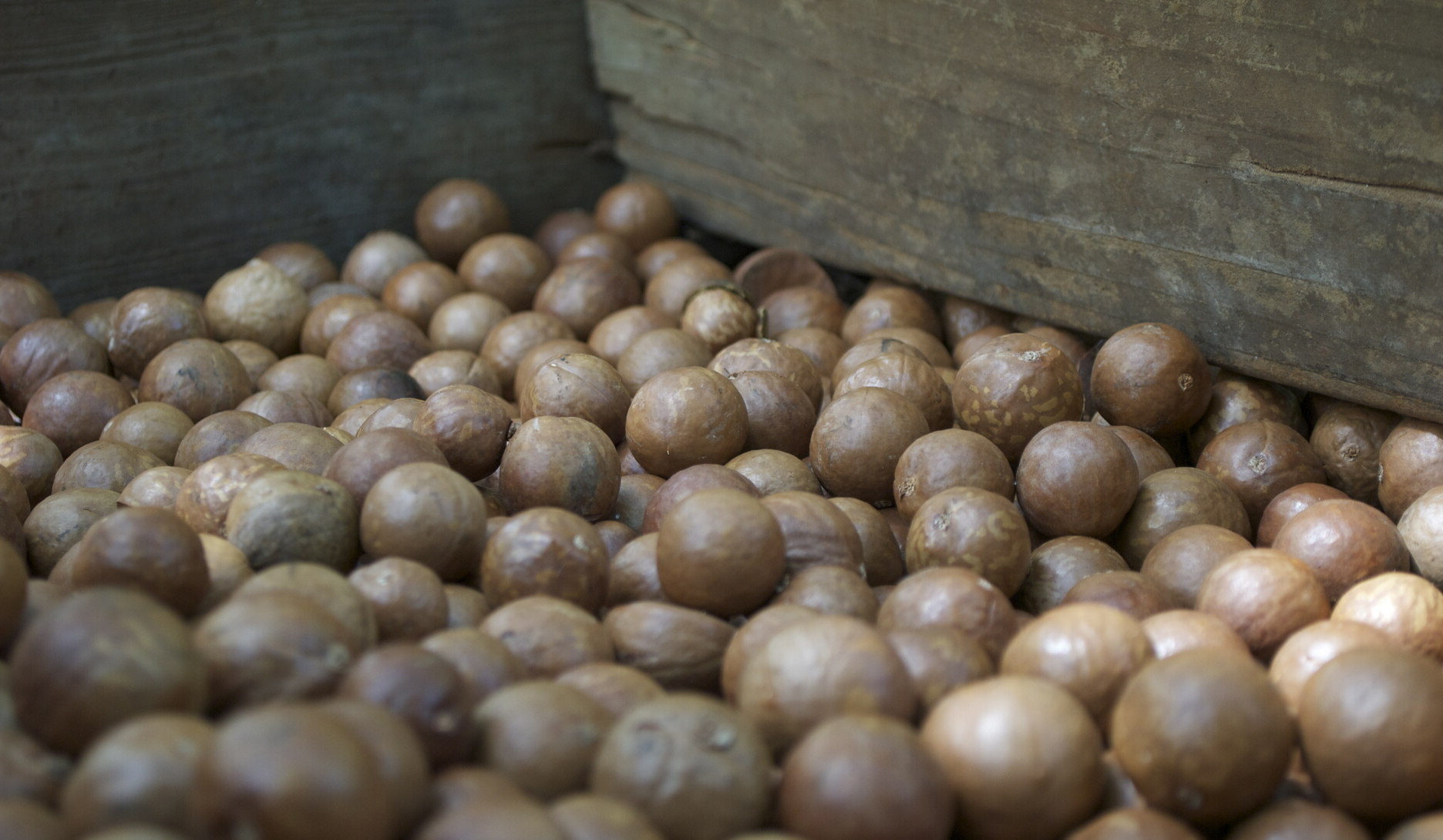
Molokai's Hidden Gem: Purdy's Macadamia Nut Farm Adventure
Known as the "Friendly Isle," Molokai offers an escape from modern life. One of the island's hidden treasures is Purdy's Macadamia Nut Farm. Here, you can learn about the history of macadamia nuts, see how they are harvested, and taste fresh nuts right off the tree. The farm is family-owned, adding a personal touch to your visit. Discovering Molokai's Hidden Gem Molokai, often overshadowed by its more famous Hawaiian neighbors, holds a secret worth sharing.
Ancient Dryland Farms
Hawaii's ancient dryland farms hold stories of innovation and survival. These farms, dating back centuries, showcase the ingenuity of early Hawaiian farmers who thrived without modern technology. They used clever techniques to grow crops like sweet potatoes, taro, and yams in areas with little rainfall. By understanding these ancient methods, we can appreciate the resourcefulness of Hawaii's early inhabitants and uncover lessons for sustainable living today.
Keanae Peninsula Terraces
Known for its stunning terraces, this spot offers a glimpse into the island's rich history and culture. Walking through lush landscapes, surrounded by the beauty of nature and the sound of waves crashing against the shore. The terraces here tell stories of ancient Hawaiian farming practices. Perfect for those who love adventure and history, Keanae Peninsula is a must-visit.
Molokai's Ancient Agricultural Fields
Molokai's ancient agricultural fields, known as lo'i kalo, are a testament to the ingenuity of the Native Hawaiians. They transformed the land into a thriving agricultural system that sustained their communities for centuries. Walking through these fields, you can almost feel the history beneath your feet. The intricate irrigation systems, stone terraces, and lush taro patches tell a story of resilience and harmony with nature. Visiting Molokai offers a glimpse into a past where agriculture was not just a means of survival but a way of life.
Kawainui Marsh Terraces
Kawainui Marsh on Oahu offers a blend of natural beauty and cultural history. As the largest wetland in Hawaii, Kawainui Marsh is home to many native plants and birds. The terraces, built by ancient Hawaiians, showcase impressive engineering skills and provide insight into traditional agricultural practices. Secrets of Hawaii's Kawainui Marsh Terraces Kawainui Marsh, located on the windward side of Oahu, is a hidden gem.
More about Ancient Farming And Agricultural Secrets
- Hidden Military Bunker Networks In Hawaii's Diamond Head Crater
- Hawaii's Hidden Buddhist Retreats And Mountain Monasteries
- Secrets Behind Hawaii's Kipu Falls
- Secrets Of Hawaii's Kilauea Steam Vents
- Hidden Valleys Of Hawaii's Makaha Valley
- Mysteries Behind Hawaii's Hana Highway
- Secrets Of Kauai's Abandoned Sugar Plantations
- Mysteries Of Hawaii's Rainbow Forest
- Hidden Wonders Of Oahu's Ka'ena Point Albatross Colony
- Hidden Villages Of Hawaii's Waiahole
- Hidden Treasures Of Hawaii's Kalalau Valley Taro Terraces
