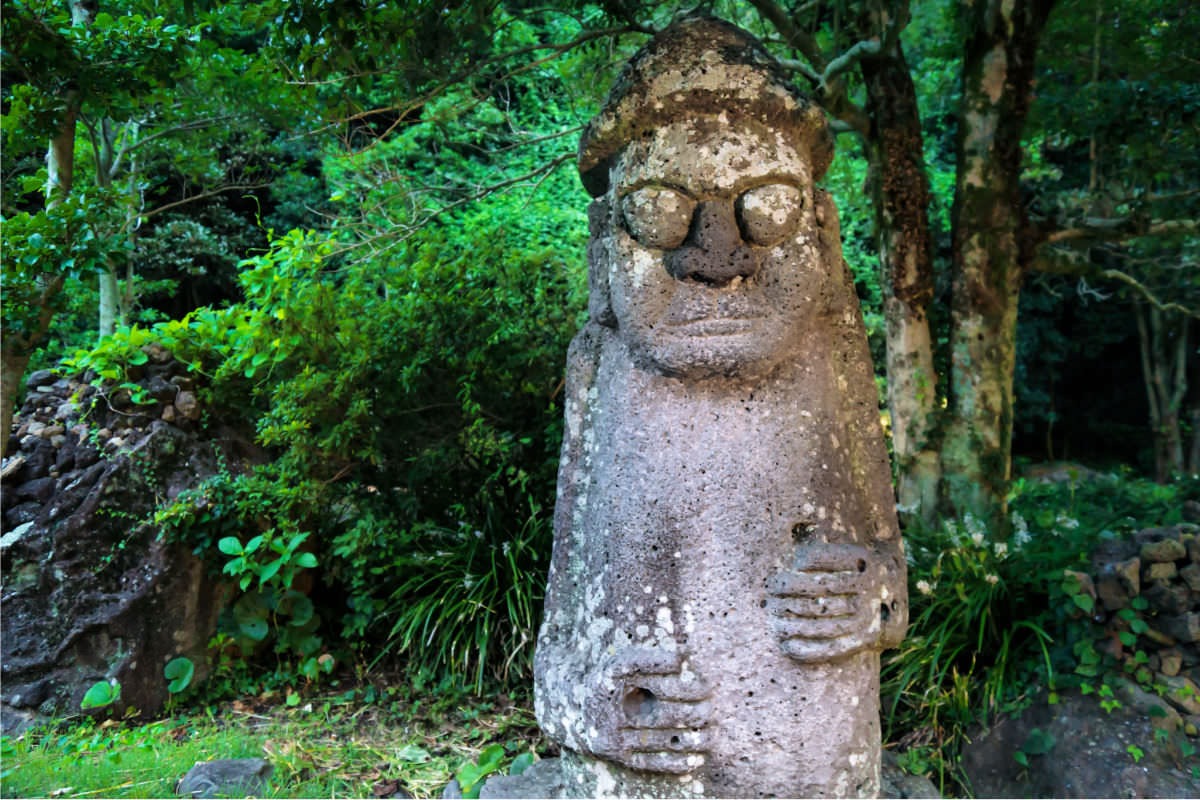
Dol Hareubang are ancient stone guardians on Jeju Island. These statues are believed to have been created centuries ago, but their exact origins are not fully documented and remain a subject of multiple theories.
What are Dol Hareubang?
Dol Hareubang, also known as "stone grandfathers," are iconic statues found on Jeju Island, South Korea. Carved from volcanic rock, they have stood guard over the island for centuries. Their origins and purpose remain subjects of fascination and debate.
Historical Significance of Dol Hareubang
Understanding the historical context of Dol Hareubang can provide insights into their mysterious nature.
-
Guardians of Villages: Dol Hareubang were traditionally placed at village entrances to ward off evil spirits and protect residents. Their imposing presence served as a spiritual safeguard.
-
Symbols of Fertility: Some theories suggest that Dol Hareubang were also symbols of fertility. Their phallic shapes and prominent features might have been intended to bless the land and its people with prosperity.
-
Cultural Icons: Over time, Dol Hareubang have become cultural icons of Jeju Island. They represent the island's unique heritage and are a popular subject in local art and souvenirs.
Unique Features of Dol Hareubang
Each Dol Hareubang has distinct characteristics that offer clues about their purpose and the skills of the artisans who created them.
-
Distinctive Hats: One of the most recognizable features of Dol Hareubang is their mushroom-shaped hats. These hats are believed to symbolize protection and authority.
-
Facial Expressions: The faces of Dol Hareubang vary widely, from stern and serious to smiling and friendly. These expressions might reflect the different roles they played in society.
-
Hand Positions: The statues often have their hands resting on their bellies, a gesture that could signify peace and stability. Some Dol Hareubang hold objects, adding to their enigmatic nature.
Modern Interpretations and Uses
In contemporary times, Dol Hareubang have taken on new meanings and uses. They continue to be a vital part of Jeju Island's cultural landscape.
-
Tourist Attractions: Dol Hareubang are major tourist attractions on Jeju Island. Visitors flock to see these ancient statues and learn about their history.
-
Cultural Festivals: The island hosts festivals celebrating Dol Hareubang, where locals and tourists alike can participate in traditional activities and ceremonies.
-
Art and Merchandise: Modern artists draw inspiration from Dol Hareubang, creating everything from sculptures to jewelry. These items are popular souvenirs for visitors.
The Mystery Continues
Despite extensive research, many questions about Dol Hareubang remain unanswered. Their true origins, the full extent of their symbolism, and the techniques used to create them continue to intrigue scholars and visitors alike. The term "Dol Hareubang" itself was coined in the mid-20th century, making a precise 18th-century origin claim doubtful.
-
Archaeological Studies: Ongoing archaeological studies aim to uncover more about the history and significance of Dol Hareubang. Each new discovery adds to the mystery.
-
Local Legends: Local legends and folklore offer various explanations for the existence of Dol Hareubang. These stories, passed down through generations, keep the mystery alive.
-
Global Interest: The enigmatic nature of Dol Hareubang has attracted global interest. Researchers from around the world study these statues, contributing to a growing body of knowledge.
Jeju Island's Dol Hareubang remain one of the most intriguing aspects of Korean culture. Their mysterious origins, unique features, and enduring significance continue to captivate those who encounter them.
The Enigmatic Dol Hareubang
Dol Hareubang statues hold a deep cultural significance for Jeju Island. Often called "grandfather stones," they stand as guardians and symbols of protection. Some believe they were created to ward off evil spirits, while others think they represent fertility and prosperity.
Visiting Jeju Island offers a unique opportunity to see these statues up close. Exploring their history and the legends surrounding them can make your trip more memorable. Whether you're a history buff or just curious, the Dol Hareubang provide a glimpse into the island's rich heritage.
So, next time you find yourself on Jeju Island, take a moment to appreciate these ancient guardians. They are a testament to the island's enduring culture and the mysteries that still captivate us today.
Related travel guides: 15 Compelling Reasons To Experience South Korea At Least Once and Top 15 Things to Do in Jeju Island, South Korea.