

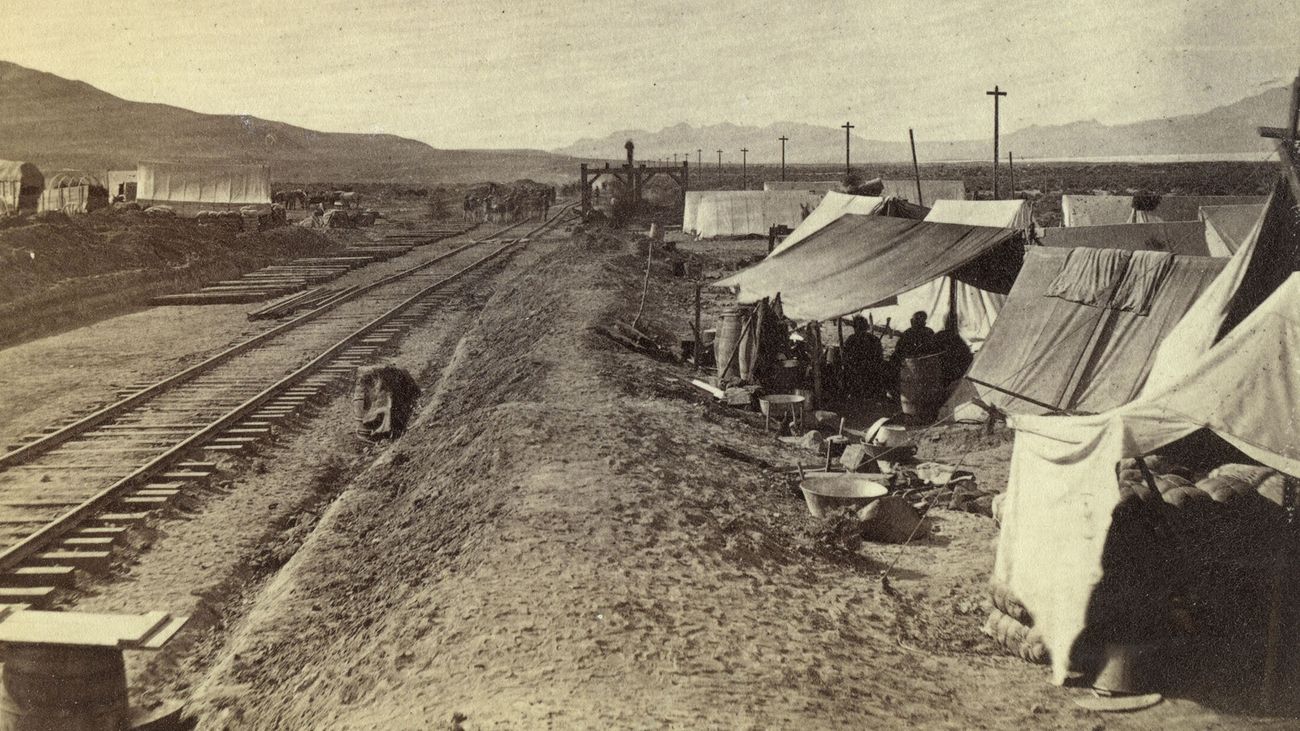
California’s forgotten Chinese immigrant sites survive in places most visitors never think to look—from a Taoist temple still standing in a former mining town to the remains of a Chinatown that once rivaled San Francisco’s. These places, scattered across the Sierra foothills and beyond, hold the lost stories of the thousands who arrived during the Gold Rush, built the Transcontinental Railroad, and helped shape the state’s agriculture, yet their histories are often reduced to a single plaque or a name on a map.
California’s Hidden History
The state is dotted with sites that whisper tales of Chinese immigrants who once called this land home. These places tell stories of perseverance, community, and cultural fusion.
Forgotten Chinatowns
Many Chinatowns in California have vanished, leaving behind traces of their vibrant past. These areas were once bustling with life, offering a glimpse into the daily lives of Chinese immigrants.
-
Marysville Chinatown
Once a thriving hub, Marysville’s Chinatown was one of the oldest in California. Chinese immigrants gathered, celebrated festivals, and built a community. Today, only a few buildings remain. -
Fiddletown
Nestled in the Sierra Nevada foothills, Fiddletown was home to a significant Chinese population during the Gold Rush. The town’s Chinese structures, like the Chew Kee Store, still stand.
Abandoned Temples and Shrines
Temples and shrines were central to the spiritual lives of Chinese immigrants. Many of these sacred sites hold stories of faith and resilience.
-
Weaverville Joss House
This Taoist temple, known as the Temple of the Forest Beneath the Clouds, is one of the oldest in California. It served as a spiritual haven for Chinese miners and remains a testament to their enduring faith. -
Locke’s Moon Temple
In the small town of Locke, the Moon Temple stands as a reminder of the Chinese community that once thrived there. It was a place of worship and social gathering.
Historic Cemeteries
Cemeteries offer insights into the lives and struggles of early immigrants. California’s Chinese cemeteries are no exception.
-
Chinese Cemetery in Colma
Colma, known as the “City of Souls,” is home to a Chinese cemetery where many immigrants found their final resting place. The gravestones, inscribed with Chinese characters, speak of lives lived far from home. -
Hanford Chinese Cemetery
This cemetery in Hanford is a reminder of the Chinese laborers who contributed to the region’s development. It stands as a silent tribute to their work and sacrifices.
Ghost Towns with Chinese Roots
Some ghost towns in California have deep Chinese roots. These towns once thrived with the energy and ambition of Chinese immigrants.
-
Chinese Camp
Located in Tuolumne County, Chinese Camp was a bustling settlement during the Gold Rush. Though now a ghost town, its name and remaining structures tell of the Chinese miners who lived and worked there. -
Johnsville
This former mining town in Plumas County had a significant Chinese population. The remnants of Chinese-built structures serve as a testament to their contributions to the mining industry.
Lost Stories of Railroads
The construction of the Transcontinental Railroad was largely built by Chinese laborers. Their stories often remain untold.
-
Donner Summit Tunnels
These tunnels, carved through the Sierra Nevada, were a feat of engineering achieved by Chinese workers. Walking through them, one can almost hear the echoes of their labor and determination. -
Cape Horn
Near Colfax, Cape Horn offers views and a glimpse into the past. Chinese workers risked their lives to carve a path for the railroad, leaving behind a legacy etched into the mountainside.
Remembering California’s Hidden Histories
California’s forgotten Chinese immigrant sites hold stories that shaped the state’s history. These places reveal the struggles and triumphs of those who helped build the railroads, worked in gold mines, and contributed to agriculture. Visiting these sites offers a chance to connect with the past and understand the challenges faced by early Chinese communities. Preserving these locations ensures future generations learn about the diverse roots of California’s development.
Efforts to maintain and promote these sites can foster appreciation for the contributions of Chinese immigrants. By exploring these historical landmarks, we gain insight into the resilience and determination of those who came before us. As we continue to uncover and share these stories, we honor the legacy of Chinese immigrants and enrich our understanding of California’s multicultural heritage.
Related travel guides: The Hidden Stories Behind The Hawaiian Haka and 7 Fascinating Folk Dances Of Guatemala You’ve Never Heard Of.
