

Secrets Of Georgia’s St. Catherines Island Shell Mounds
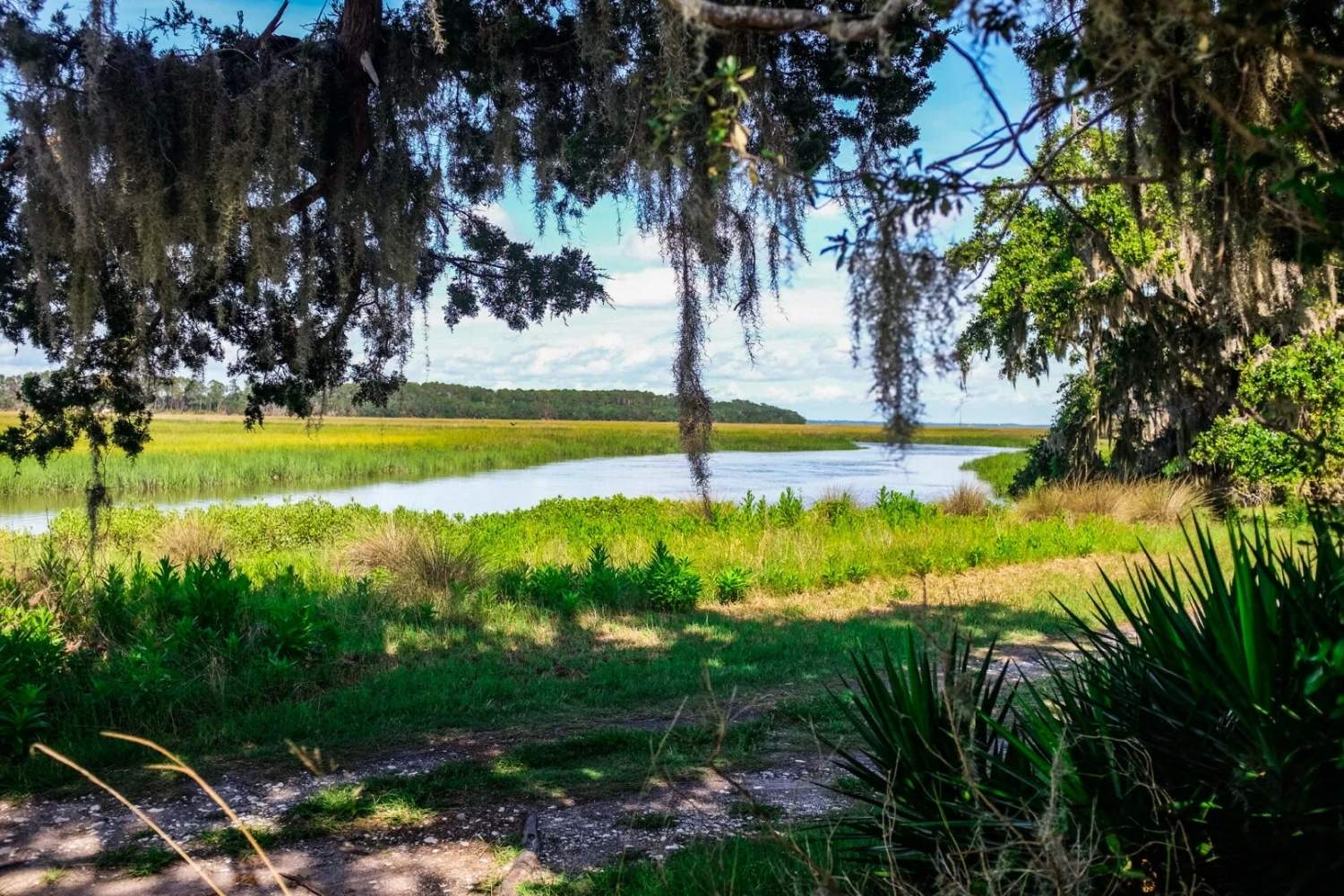
Have you ever wondered about the hidden history of St. Catherines Island Shell Mounds in Georgia? These ancient mounds hold secrets from thousands of years ago. Built by Native Americans, they offer a glimpse into the past. Imagine walking among these mounds, feeling the connection to those who lived here long before us. The island itself is a treasure trove of natural beauty and historical significance. From the unique wildlife to the rich cultural heritage, there's so much to learn and explore. Ready to dive into the mysteries of St. Catherines Island? Let's uncover the stories behind these fascinating shell mounds.
Secrets of Georgia's St. Catherines Island Shell Mounds
St. Catherines Island, located off the coast of Georgia, holds a treasure trove of history and mystery. Among its many wonders, the shell mounds stand out as silent witnesses to ancient cultures and their way of life. These mounds, built from shells and other materials, offer a glimpse into the past. Let's explore some of the most fascinating shell mounds on St. Catherines Island.
1. McQueen Shell Ring
The McQueen Shell Ring is one of the most prominent features on St. Catherines Island. This circular mound, made primarily of oyster shells, dates back thousands of years. Archaeologists believe it served as a gathering place for ceremonies and social activities. Walking around the ring, you can almost hear the echoes of ancient voices.
2. St. Catherines Shell Ring
Another significant site is the St. Catherines Shell Ring. This mound, also circular, is slightly smaller than the McQueen Shell Ring but no less important. It provides valuable insights into the daily lives of the island's early inhabitants. Artifacts found here, such as pottery shards and tools, paint a vivid picture of a thriving community.
3. Wamassee Head Shell Midden
The Wamassee Head Shell Midden is a large, elongated mound composed of shells, bones, and other refuse. Unlike the rings, middens were more utilitarian, serving as ancient trash heaps. However, they still hold immense archaeological value. The layers of debris reveal dietary habits, trade practices, and even climate changes over centuries.
4. South End Shell Midden
Located at the southern tip of the island, the South End Shell Midden offers a different perspective. This site contains a mix of shells, fish bones, and other remnants, indicating a diverse diet. The midden's proximity to the water suggests it was a prime spot for fishing and gathering seafood. Exploring this site feels like stepping into the shoes of ancient fishermen.
5. North End Shell Midden
In contrast, the North End Shell Midden provides clues about the island's northern inhabitants. This mound, rich in oyster shells and other marine life, highlights the importance of shellfish in their diet. The presence of tools and pottery fragments also suggests a well-established community. Standing here, you can almost imagine the bustling activity of daily life.
6. Sea Island Shell Ring
The Sea Island Shell Ring, though smaller than others, holds its own charm. This ring, partially hidden by vegetation, offers a more intimate glimpse into the past. The artifacts found here, including beads and ornaments, hint at a culture that valued beauty and craftsmanship. It's a reminder that even in ancient times, people sought to adorn themselves and their surroundings.
7. Marsh Edge Shell Midden
The Marsh Edge Shell Midden, located near the island's marshlands, provides a unique look at the interaction between land and water. This site contains a mix of shells, plant remains, and animal bones, indicating a varied diet. The midden's location suggests it was a strategic spot for accessing both terrestrial and aquatic resources. Exploring this site reveals the adaptability and resourcefulness of the island's early inhabitants.
8. Spanish Mount Shell Midden
The Spanish Mount Shell Midden stands out for its historical significance. This site, believed to have been used by both Native Americans and early Spanish settlers, offers a fascinating blend of cultures. The layers of shells and artifacts tell a story of interaction and exchange. Walking through this site, you can almost feel the convergence of different worlds.
9. West Bluff Shell Midden
Perched on a bluff overlooking the water, the West Bluff Shell Midden offers stunning views and rich history. This site contains a mix of shells, pottery, and other remnants, indicating a well-established settlement. The bluff's elevation suggests it was a strategic location for defense and observation. Standing here, you can imagine the watchful eyes of ancient inhabitants scanning the horizon.
10. East Bluff Shell Midden
Finally, the East Bluff Shell Midden provides a fitting end to our journey. This site, like its western counterpart, offers breathtaking views and a wealth of artifacts. The mix of shells, bones, and tools reveals a community that thrived on the island's resources. Exploring this site, you can almost hear the whispers of the past carried on the wind.
Why St. Catherines Island Shell Mounds Matter
St. Catherines Island shell mounds are more than just piles of shells. They offer a glimpse into the lives of ancient Native American communities. These mounds reveal how people adapted to their environment, what they ate, and how they lived. They also show the importance of the coast in their daily lives. Visiting these mounds is like stepping back in time. You can see firsthand the rich history and culture that shaped Georgia's coast. Whether you're a history buff or just curious, these mounds are a must-see. They remind us of the deep connections between people and nature. Next time you're in Georgia, take a trip to St. Catherines Island. You'll leave with a new appreciation for the past and its impact on the present.
