Secrets Of Arizona’s Wupatki Star Calendar Sites
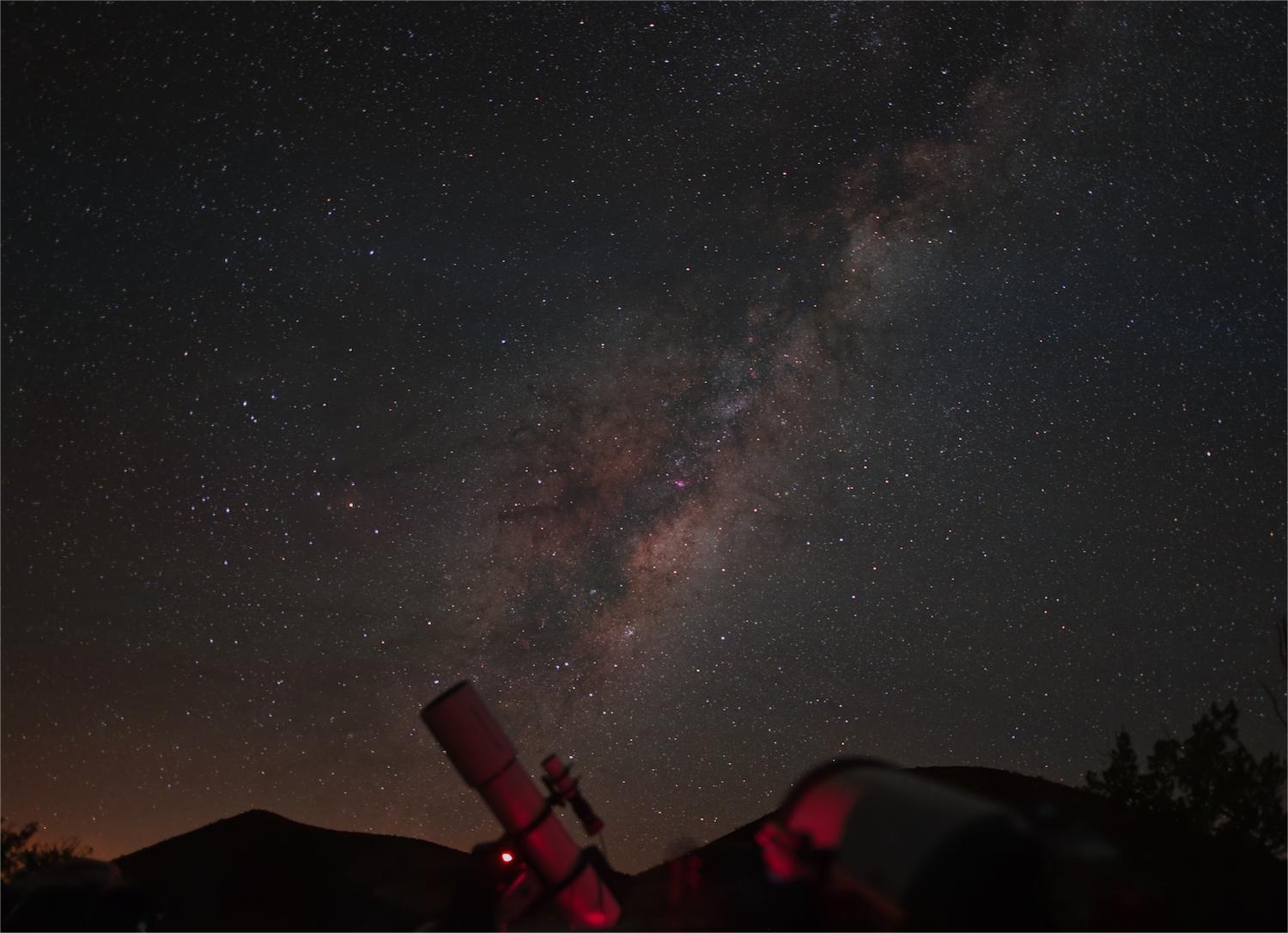
Have you ever wondered about the mysteries hidden in Arizona's desert? Wupatki Star Calendar Sites hold secrets that date back centuries. These ancient ruins, built by the Sinagua people, are more than just stone structures. They served as celestial calendars, helping early inhabitants track the stars and seasons. Imagine standing where ancient astronomers once stood, using the night sky to guide their lives. Visiting these sites offers a unique glimpse into the past, blending history, astronomy, and culture. Whether you're a history buff or a stargazing enthusiast, Wupatki promises an unforgettable experience. Ready to explore the wonders of Arizona's ancient skies?
Secrets of Arizona's Wupatki Star Calendar Sites
Arizona's Wupatki National Monument is a treasure trove of ancient history. Among its many wonders, the star calendar sites stand out. These sites reveal the astronomical knowledge of the ancient Puebloans. Let's dive into some of these fascinating locations.
1. Wupatki Pueblo
Wupatki Pueblo is the largest structure in the monument. It served as a community center for the ancient Puebloans. The pueblo's design aligns with celestial events, showcasing their advanced understanding of astronomy.
- Sun Dagger: A rock formation that casts a dagger-shaped shadow on specific days, marking solstices and equinoxes.
- Observation Points: Various points around the pueblo align with the rising and setting of the sun during key times of the year.
2. Lomaki Pueblo
Lomaki Pueblo, meaning "beautiful house," offers stunning views of the surrounding landscape. This site also holds astronomical significance.
- Solar Markers: Stones placed to mark the sun's position during solstices.
- Star Alignments: Certain structures align with prominent stars, aiding in navigation and timekeeping.
3. Citadel Pueblo
Perched atop a hill, Citadel Pueblo provides a panoramic view of the area. This vantage point was crucial for both defense and celestial observations.
- Horizon Markers: Stones and structures that align with the horizon, marking the sun's path.
- Lunar Observations: Evidence suggests the Puebloans tracked lunar cycles from this site.
4. Nalakihu Pueblo
Nalakihu Pueblo, though smaller, played a significant role in the ancient community. Its design incorporates several astronomical features.
- Equinox Markers: Specific points within the pueblo align with the sunrise and sunset during equinoxes.
- Star Calendar: Alignments with certain stars helped track the passage of time and seasons.
5. Box Canyon Ruins
Box Canyon Ruins are nestled within a natural canyon, providing a unique setting for astronomical observations.
- Shadow Play: The canyon walls create shadows that mark important dates.
- Star Viewing: The narrow canyon offers a clear view of the night sky, perfect for star tracking.
6. Crack-in-Rock Ruins
Accessible only by guided tour, Crack-in-Rock Ruins are a hidden gem within Wupatki.
- Petroglyphs: Ancient rock carvings that depict celestial events and star patterns.
- Solar Alignments: Structures that align with the sun during solstices and equinoxes.
7. Wukoki Pueblo
Wukoki Pueblo stands out with its tower-like structure. This site also holds astronomical significance.
- Sunrise and Sunset Markers: Stones and walls that align with the sun's position during key times of the year.
- Star Alignments: The tower's design aligns with certain stars, aiding in navigation and timekeeping.
8. Antelope House
Antelope House, named for the petroglyphs of antelope found nearby, offers insights into the ancient Puebloans' astronomical knowledge.
- Petroglyphs: Carvings that depict celestial events and star patterns.
- Solar Markers: Stones placed to mark the sun's position during solstices and equinoxes.
9. Citadel Sinkhole
Near Citadel Pueblo, the Citadel Sinkhole adds another layer to the area's astronomical significance.
- Shadow Markers: The sinkhole's edges cast shadows that mark important dates.
- Star Viewing: The open area provides a clear view of the night sky, perfect for star tracking.
10. Doney Mountain
Doney Mountain offers a unique vantage point for celestial observations.
- Horizon Markers: Stones and structures that align with the horizon, marking the sun's path.
- Lunar Observations: Evidence suggests the Puebloans tracked lunar cycles from this site.
Discovering Arizona's Ancient Star Calendar
Wupatki's star calendar sites offer a unique glimpse into the past. These ancient structures reveal how early inhabitants of Arizona understood and used the stars. Visiting these sites, you can see the ingenuity and knowledge of these early people. The alignment of stones with celestial events shows their deep connection to the cosmos.
Exploring Wupatki, you not only learn about astronomy but also about the culture and daily life of its builders. The star calendar sites are a testament to their skills and understanding of the natural world. Whether you're a history buff, an astronomy enthusiast, or just curious, Wupatki has something to offer.
Plan a visit to Wupatki National Monument to experience these incredible sites firsthand. You'll walk away with a greater appreciation for the ancient world and its connection to the stars.