Part of our Alaska guide.
Alaska’s Native culture and history are best experienced through its living traditions, from dance and totem carving to museums that preserve centuries of indigenous heritage. This guide gathers ten essential stops and insights, each revealing a distinct layer of the state’s deep-rooted past and present.
Native Heritage Through Dance Performances
Alaska's Native heritage dance performances tell stories, preserve traditions, and connect people to their ancestors. Dancers in traditional attire move to the rhythm of drums and chants. Each performance offers a glimpse into the history and values of Alaska's indigenous communities.
Ketchikan Totem Poles - Alaska's Native Art
Ketchikan, Alaska, is known for its totem poles. These works tell stories of the Native tribes who have lived in the area for centuries. Each totem pole is unique, with intricate carvings and vibrant colors. Visitors can see them in places like Totem Bight State Historical Park and Saxman Native Village. Walking among these totem poles connects you with the history and culture of Alaska's indigenous people.
Sitka National Historical Park - Alaska's Totem Pole Forest
Sitka National Historical Park showcases the artistry of the Tlingit and Haida people. Walking through the park, you see carved totem poles that tell stories of clans, legends, and traditions. The park also features trails, scenic views, and a chance to learn about Alaska's indigenous heritage. Sitka National Historical Park, Alaska's oldest national park, blends natural beauty and cultural heritage.
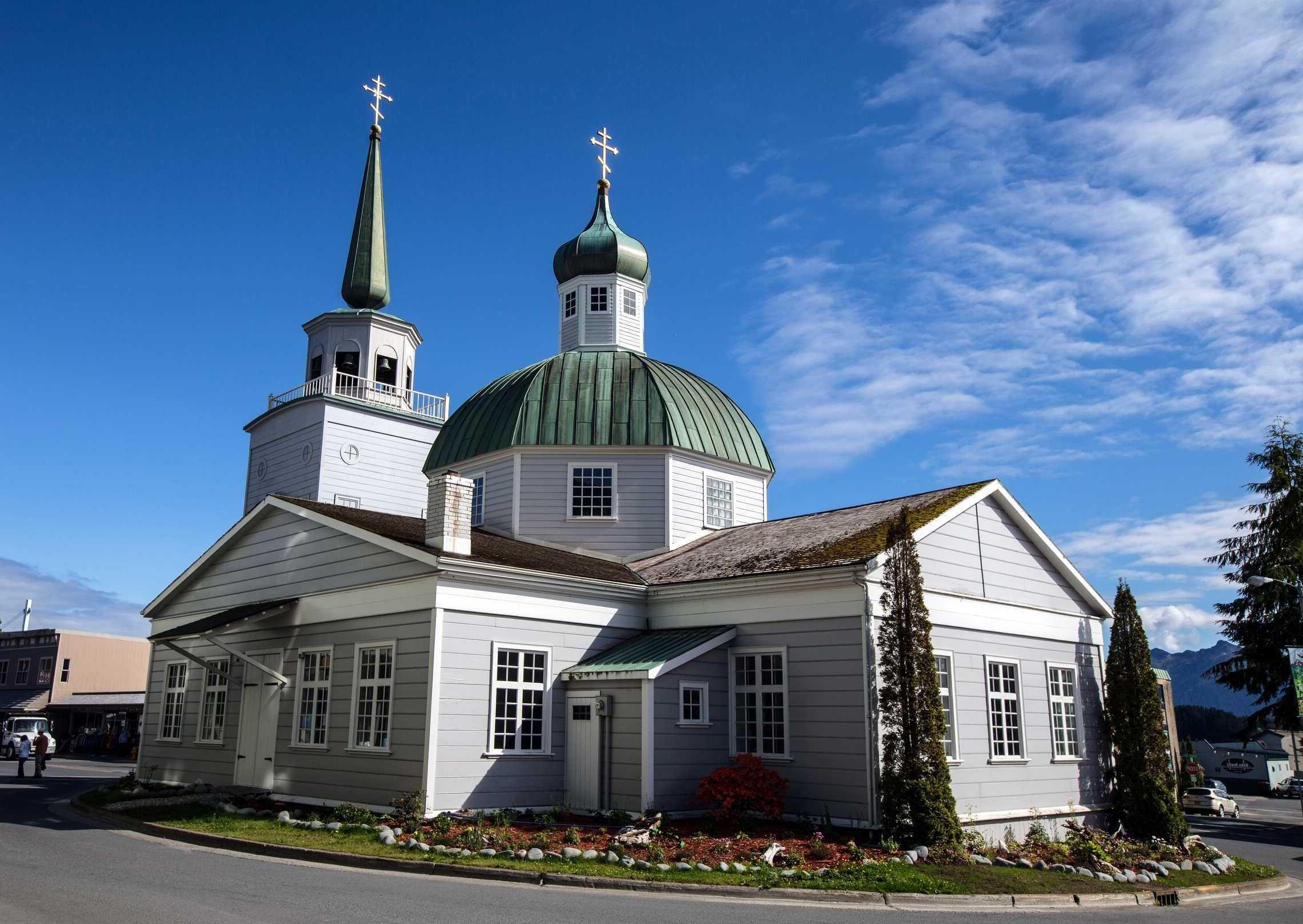
Sitka's Russian History - Alaska's Onion-Domed Churches
Sitka's onion-domed churches are a reminder of the town's Russian history. In the early 19th century, Russian explorers and traders settled in Sitka, making it the capital of Russian America. They brought their culture, traditions, and architecture, including the onion-domed churches. Today, these buildings stand as a testament to the blend of Russian and Native Alaskan heritage.
Totem Wonders Await At Ketchikan's Saxman Native Village
Ketchikan's Saxman Native Village offers a glimpse into the traditions and artistry of the Tlingit people. The village is home to one of the largest collections of totem poles in the world. Visitors can watch master carvers at work, learn about the significance of each totem, and participate in traditional dance performances.
Unveil Kodiak's Baranov Museum Russian Legacy
The Baranov Museum offers a glimpse into the Russian legacy that shaped Kodiak. Located in one of the oldest buildings in Alaska, the museum showcases artifacts, photographs, and stories from the Russian-American period. Visitors can learn about the fur trade, Russian settlers, and the indigenous Alutiiq people. The museum also hosts events and educational programs. Kodiak's Baranov Museum stands as a testament to its Russian heritage.
Unveil Sitka's Sheldon Jackson Museum Treasures
Sitka is home to the Sheldon Jackson Museum, which houses one of the most extensive collections of Native Alaskan artifacts. From intricate carvings to traditional clothing, each piece tells a story of the region's heritage.
Step Back In Time At Talkeetna's Historical Society Museum
Talkeetna's Historical Society Museum showcases artifacts, photographs, and stories that paint a picture of the area's history. From the early days of gold mining to the construction of the Alaska Railroad, each exhibit tells a tale.
Thrills And Skills At Ketchikan's Lumberjack Show
In Ketchikan, Alaska, the Lumberjack Show showcases the strength, skill, and bravery of professional lumberjacks as they compete in challenges. From axe throwing to log rolling, the show also offers a glimpse into the history of logging in the region.
Soar With The Eagles At Sitka's Raptor Center
Sitka, Alaska, offers an experience at the Raptor Center. This sanctuary rehabilitates injured eagles, hawks, and owls, giving visitors a chance to learn about these creatures. The Raptor Center provides a safe haven for these birds and educates the public on wildlife conservation.
More about Native Culture And History
- What To Pack For Alaska Trip In June
- What To Pack For An Alaska Cruise In July
- When Can You See The Northern Lights On An Alaskan Cruise
- Surrounded By Whales In Stephens Passage, Alaska
- What Is The Most Common Souvenir From Alaska
- Which Cruise Line Is Best For An Alaskan Cruise?
- Breathtaking Views At Talkeetna's Denali Overlook
- Alaska Native Treasures At Anchorage's Craft Shop
- What Cruise Lines Go To Glacier Bay
- Strike Gold At Juneau's Last Chance Basin
- Polar Bears And Inupiat Traditions In Barrow
- Lion's Mane Jellyfish Along Alaska's Inside Passage
- Striking Gold At Nome's Anvil Creek
- Mysterious Tidal Bore Waves Of Alaska's Turnagain Arm
- Alaska's Denali Polychrome Pass Tundra Wildlife Views Revealed
- Forgotten Whaling Stations Of Alaska