

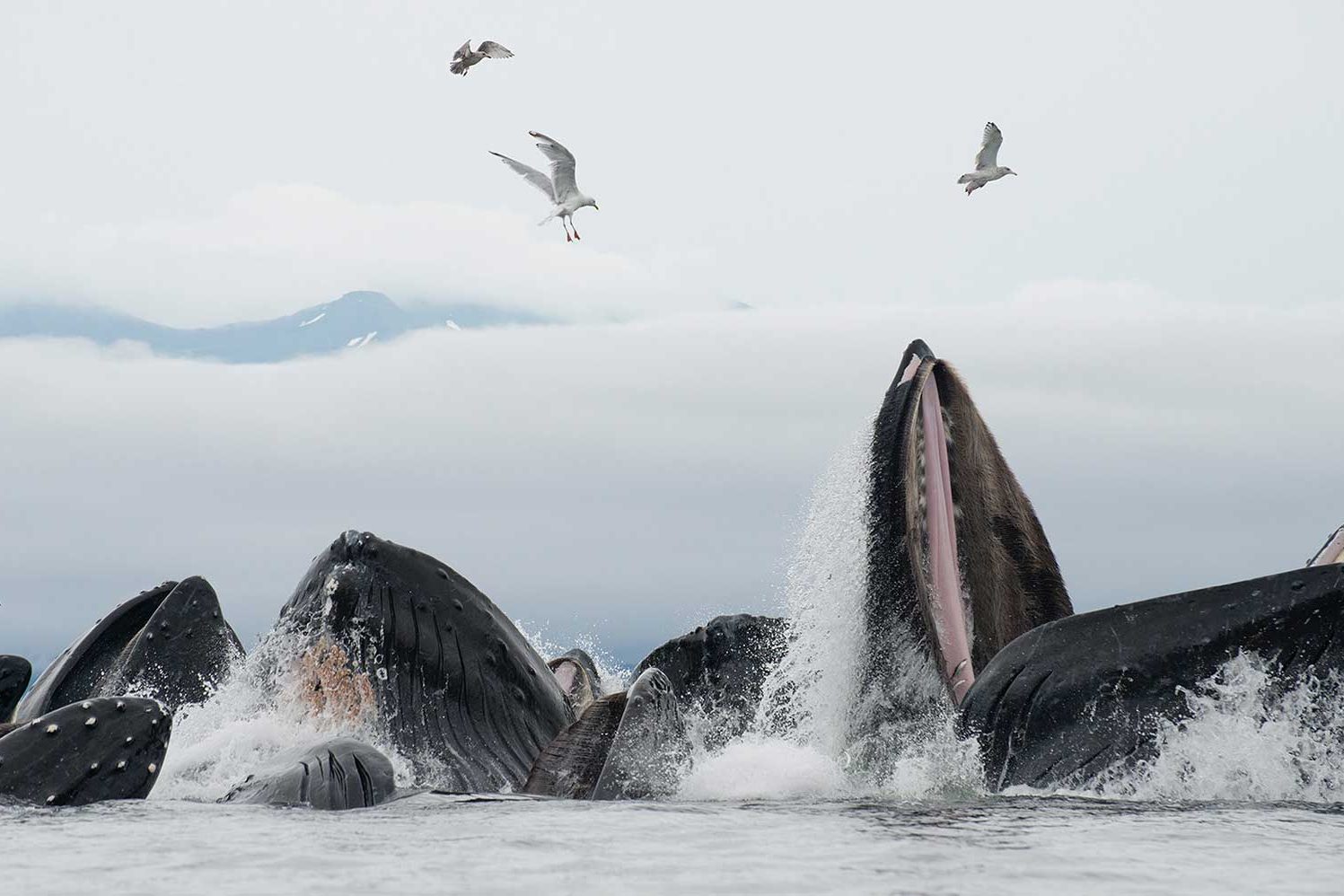
You are surrounded by whales in Stephens Passage, Alaska, because this 170-kilometer waterway between Juneau and the Inside Passage is a nutrient-rich feeding ground for humpbacks, orcas, and seals. But the real prize is the glaciers: watching the Sawyer and South Sawyer glaciers calve into the water while whales surface beside your boat is a humbling spectacle few places can match. Towering mountains, verdant forests, and the chance to kayak past hidden waterfalls complete this untamed wilderness.
The Beauty of Stephens Passage
Stephens Passage captivates visitors with its mesmerizing beauty and diverse landscapes. Surrounded by towering mountains, verdant forests, and breathtaking glaciers, this waterway offers a picturesque setting for unforgettable experiences.
As you glide through the calm waters, the stunning scenery unfolds before your eyes. Majestic fjords and intricate channels reveal themselves, showcasing a tapestry of nature's wonders. The expansive vistas and ever-changing light create a photographer's dream, with every frame capturing the essence of Alaska's untamed wilderness.
One of the most remarkable features of Stephens Passage is the presence of massive ice formations. These imposing glaciers, such as the Sawyer Glacier and the South Sawyer Glacier, are a sight to behold. Witnessing the sheer power of these ancient giants as they calve and send massive chunks of ice crashing into the water is a truly humbling experience.
Stephens Passage stretches approximately 170 kilometers, extending from the capital city of Juneau southward along the Inside Passage. It runs between Admiralty Island and the mainland of Southeast Alaska, from the Frederick Sound area north to the vicinity of Juneau.
Stephens Passage is also known for its abundant wildlife beyond the realm of whales. Bald eagles soar above, their graceful flight contrasting the rugged landscape. Seals can be spotted basking on ice floes, their dark eyes glistening as they curiously watch passing vessels. Keep your eyes peeled for playful sea otters, whose endearing antics never fail to bring joy.
For those seeking a more active adventure, the opportunities for kayaking and exploring the coastlines are endless. Paddle through serene bays, marvel at hidden waterfalls tumbling down moss-covered cliffs, and feel the exhilaration of being surrounded by wilderness. For more ideas, check out our guide to adventures and day trips in Alaska.
No matter how you choose to experience the beauty of Stephens Passage, the connection with nature is palpable. The untouched wilderness and the serenity of the surroundings offer a much-needed respite from the chaos of the modern world.
As you immerse yourself in this natural paradise, it becomes evident why Stephens Passage is a sought-after destination for nature lovers and adventure seekers alike. The grandeur of the landscapes, the abundance of wildlife, and the sense of tranquility make it an unforgettable place to visit.
In the next sections, we will explore the awe-inspiring encounters with the whales that call Stephens Passage home. Join us as we delve into the realm of these magnificent creatures, uncovering their behaviors, and delving into the ethical guidelines for responsible whale watching.
The Whales of Stephens Passage
Stephens Passage is renowned worldwide for its abundance of whale species. These gentle giants migrate to the nutrient-rich waters of the passage, creating a spectacle of marine life that is both mesmerizing and humbling.
Among the most prominent visitors are humpback whales. These magnificent creatures, known for their acrobatic displays and hauntingly beautiful songs, grace the waters with their presence. They migrate over thousands of kilometers from their breeding grounds in Hawaii or Mexico to feast on the abundant schools of fish and krill in these Alaskan waters.
Orcas, or killer whales, are another noteworthy species that can be spotted in Stephens Passage. These intelligent and social marine mammals roam the passage with their distinctive black and white markings, inspiring awe in those fortunate enough to witness them. Orcas are known for their tight-knit family bonds and impressive hunting strategies.
In addition to humpback whales and orcas, visitors may also encounter minke whales and gray whales. Minke whales are relatively smaller, their sleek bodies and playful nature making them a joy to observe. Gray whales embark on one of the longest migrations of any mammal, traveling from Mexico's Baja California to the Arctic feeding grounds, passing through Stephens Passage during their journey.
For those planning a trip, knowing what to pack for Alaska trip in June can help you stay comfortable while watching for breaches and spouts. The sight of a humpback whale breaching the surface or the chorus of orca calls echoing through the passage is nothing short of awe-inspiring.
The next section will delve into the up-close and personal encounters that can be experienced when venturing into Stephens Passage, getting you even closer to these majestic creatures.
Up Close and Personal: Encounters with Whales
A trip to Stephens Passage offers the chance to get up close with the whales that call it home. Whether you choose a whale-watching cruise or a kayak excursion, these encounters leave you in awe of these majestic creatures.
Whale-watching cruises provide a comfortable way to explore the passage while maximizing your chances of spotting whales. Knowledgeable guides navigate the waters, using their expertise to locate the whales and ensure a responsible viewing experience. As the boat approaches, you witness the true scale of these animals, with their enormous bodies gliding effortlessly through the water.
But the most thrilling experiences come from kayaking in the calm waters of Stephens Passage. As you paddle silently, you become one with nature, gliding just meters away from the whales. The quiet rhythm of your paddle merges with the sounds of gentle whale blows and the occasional breach, creating an intimate connection with these creatures.
Imagine the exhilaration of drifting alongside a humpback whale as it rises to the surface, its massive tail breaking the water. The spray from the blowhole mists the air, creating a magical atmosphere. These close encounters let you witness the intricate details of the whales, from the patches on their flukes to the barnacles adorning their bodies.
Interacting with whales in their natural habitat instills a deep sense of reverence and respect for these incredible animals, fostering a greater understanding of the importance of protecting their fragile ecosystem.
However, while these encounters are awe-inspiring, we must always prioritize the well-being and safety of the whales. The next section will explore ethical guidelines for responsible whale watching, ensuring we can enjoy these encounters while minimizing disturbance to their natural behaviors.
Ethical Guidelines for Whale Watching
Whale watching is a privilege, and it is essential to approach these majestic creatures with respect and consideration for their well-being. Adhering to ethical guidelines ensures we can enjoy unforgettable encounters while minimizing negative impacts on the whales and their environment.
1. Maintain a safe distance: Keep a respectful distance from the whales. Approaching too closely disrupts natural behaviors and causes stress. Follow marine mammal protection guidelines, which recommend staying at least 100 yards away.
2. Minimize noise and disturbance: Whales rely on sound for communication and navigation. Keep noise levels low by avoiding loud conversations, excessive engine noise, and sudden movements.
3. Do not feed or touch the whales: Feeding disrupts natural feeding patterns and may harm their health. Refrain from attempting to touch or physically interact with the whales, as this can be intrusive and potentially harmful to both humans and animals.
4. Observe but do not chase: Let the whales dictate the pace and direction of the encounter. Avoid chasing or following them to get closer or prolong observation. Allow them to move freely and observe from a respectful distance.
5. Dispose of waste responsibly: Properly dispose of all trash and waste. Avoid throwing anything overboard that could harm marine life or pollute the water.
6. Follow local regulations and guidelines: Different regions may have specific rules governing whale watching. Familiarize yourself with these rules and follow them diligently to protect the whales and sustain the industry. For those planning their trip, knowing what to pack for Alaska trip in June can help you prepare for the coastal conditions. Additionally, exploring adventures and day trips in Alaska offers ways to experience the region beyond the water.
By following these ethical guidelines, we can enjoy unforgettable encounters with whales while contributing to their conservation and well-being. The next section will explore the awe-inspiring moments that can be witnessed when observing the behaviors of these magnificent creatures in Stephens Passage.
Awe-inspiring Moments: Observing Whale Behavior
Each behavior, from breaching to tail slapping, reveals their complex world.
One of the most iconic behaviors is the breach: a humpback whale launching itself out of the water, its immense body soaring into the air before crashing back with a tremendous splash. While the exact reason is still not fully understood, it may serve as communication, a way to shed parasites, or an exuberant display of strength.
Tail slapping, or lobtailing, involves the whale lifting its massive tail above the surface and forcefully slapping it down, creating a resounding splash. This behavior may serve as a warning signal, a means of communication, or a way to stun prey during feeding.
Fluke displays are another remarkable spectacle. As the whale arches its back for a deep dive, it raises its massive fluke out of the water. The patterned underside is unique to each individual, and researchers use these distinct patterns to identify and track them.
Spyhopping leaves observers in awe: the whale rises vertically in the water, exposing its head and part of its body above the surface. This allows the whale to take a curious look around its surroundings, including nearby vessels or kayakers, demonstrating their intelligence and curiosity.
Whale vocalizations, including the hauntingly beautiful songs of humpback whales, are another remarkable aspect. These complex melodies can travel for kilometers underwater. The purpose of these songs is still under study, but they are believed to play a role in mating rituals and communication.
Every moment spent observing these behaviors in Stephens Passage offers a profound appreciation for their intelligence, grace, and adaptability—and a reminder of our duty to protect these incredible creatures and their fragile marine ecosystems.
In the final section, we will explore the other wildlife that can be encountered in Stephens Passage, showcasing the incredible biodiversity of this pristine marine environment.
Other Wildlife in Stephens Passage
While Stephens Passage is known as a haven for whales, this marine paradise is also teeming with a diverse array of wildlife. Bald eagles, with their majestic presence and impressive wingspans, are a common sight along the shores. These iconic birds of prey can be seen perched high in trees or soaring through the sky, their keen eyes scanning the water for potential prey. Witnessing an eagle swoop down to catch a fish is a sight that will forever be etched in your memory.
Harbor seals and Steller sea lions can also be spotted basking on rocky outcrops or floating on chunks of ice. The seals, often seen with their adorable heads bobbing above the water's surface, display a natural curiosity towards human visitors. Their playful antics and gentle nature make them an absolute joy to encounter.
Stephens Passage is also home to a variety of bird species, including tufted puffins, black-legged kittiwakes, and common murres. These charismatic seabirds nest on the cliffs and rocky shores, providing a symphony of calls and adding to the vibrant ecosystem of the passage. As you explore the coastal areas, keep an eye out for the elusive and secretive river otters. These playful creatures can occasionally be spotted swimming, diving, and foraging along the shoreline. Their agile movements and mischievous nature make them a delight to observe.
While whales may steal the spotlight, the diversity of wildlife showcases the intricate web of life that thrives in this pristine marine environment. Taking the time to appreciate and respect the smaller inhabitants of the passage enriches the overall experience of being immersed in nature. As we wrap up our exploration, it is vital to recognize the significance of conservation efforts in preserving this unique ecosystem.
Conservation Efforts and Challenges
Preserving the natural wonders of Stephens Passage and safeguarding its rich biodiversity is a collective responsibility. Various organizations, researchers, and local communities are actively engaged in conservation efforts to protect the delicate balance of this marine ecosystem.
One crucial aspect is raising awareness about responsible whale watching. By promoting ethical guidelines and educating visitors, stakeholders strive to ensure that encounters with whales are conducted sustainably.
Research plays a vital role in understanding whale behaviors, migration patterns, and population dynamics. By collecting data and monitoring populations, scientists gain insights that inform conservation strategies. Efforts are also underway to establish marine protected areas and implement regulations that restrict human activities in sensitive habitats, providing sanctuaries for marine life.
However, conservation faces challenges requiring ongoing attention. Climate change poses a significant threat: rising water temperatures, ocean acidification, and melting glaciers can impact prey availability and disrupt the food web supporting whales. Other challenges include vessel collision risks, excessive noise pollution, and water pollution. Addressing these requires cooperation among tour operators, local communities, and visitors.
Through collaboration, education, and sustainable practices, we can protect Stephens Passage for future generations. By supporting conservation initiatives and embracing responsible tourism, we ensure this marine paradise thrives. For those planning a trip, knowing what to pack for an Alaska trip in June helps minimize environmental impact. As we conclude our journey, let us carry the commitment to preserving this natural wonderland.
Conclusion
Stepping into Stephens Passage is like entering a realm where nature reigns supreme. The beauty of this marine paradise, with its majestic mountains, awe-inspiring glaciers, and diverse wildlife, serves as a testament to the wonders of the natural world. However, it is the presence of the magnificent whales that truly sets Stephens Passage apart.
Encountering humpback whales, orcas, and other whale species in their natural habitat is an experience that leaves an indelible mark on the soul. From the breathtaking breaches to the mesmerizing songs, every behavior unfolds with a sense of awe and wonder.
It is essential to approach these encounters with respect and adherence to ethical guidelines for responsible whale watching. By minimizing disturbance and maintaining a safe distance, we can ensure the well-being of these extraordinary creatures while still having the opportunity to appreciate their beauty up close.
Stephens Passage is not just about whales; it is a thriving ecosystem teeming with other wildlife. Bald eagles soaring above, seals basking on rocky shores, and playful river otters add to the vibrancy of this pristine environment. For those seeking further exploration, there are many adventures and day trips in Alaska that build on this experience.
Preserving the natural wonders of Stephens Passage and protecting its delicate balance is a collective effort. Through research, awareness, and the implementation of conservation strategies, we can safeguard this marine paradise for future generations. As we journey through Stephens Passage and witness its wonders, let us be inspired to embrace responsible tourism and become advocates for the protection of our natural world.
Related travel guides: Hidden Bay In Alaska.
