

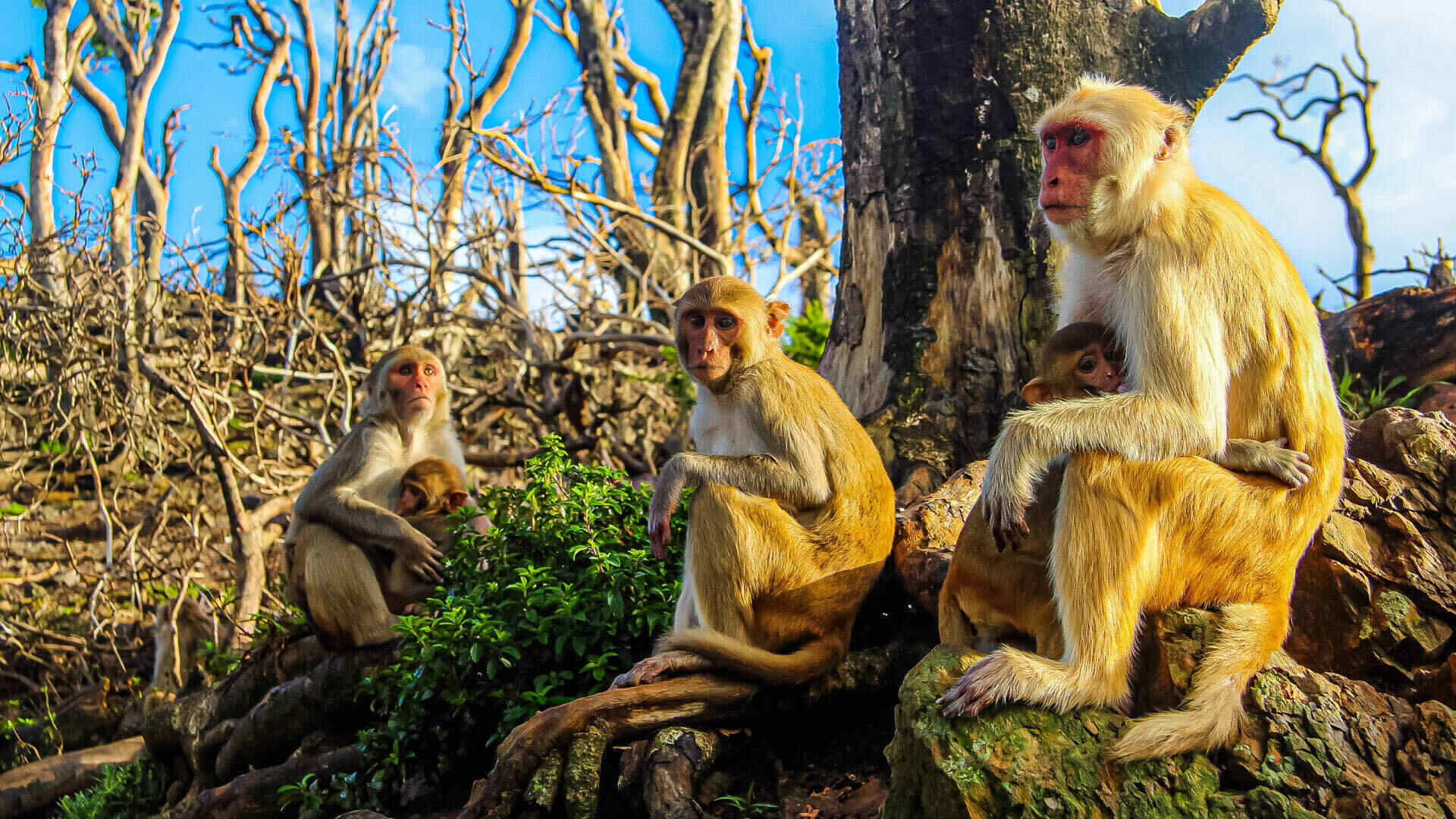

Ever heard of Monkey Island in Puerto Rico? This small island, officially known as Cayo Santiago, is home to a unique population of rhesus macaques brought here in 1938 for scientific research. Today, the island serves as a living laboratory where scientists study the behavior, genetics, and social structures of these creatures. Although the general public cannot set foot on the island itself, the surrounding waters offer a chance to observe the monkeys from a distance. The island is located near the town of Humacao, on Puerto Rico's eastern coast.
What is Monkey Island?
Monkey Island, officially known as Cayo Santiago, is a small island off the eastern coast of Puerto Rico. This unique place is home to a colony of free-ranging rhesus macaque monkeys. Researchers study these monkeys to learn about behavior, genetics, and social structures. While the general public cannot visit the island itself, the surrounding waters offer a chance to observe these creatures from a distance.
How to Get to Monkey Island
Reaching Monkey Island requires a bit of planning. It's not a typical tourist destination, but the journey is part of the adventure. Here's how you can get there:
-
Fajardo: Start your journey in Fajardo, a town on Puerto Rico's eastern coast. From here, you can arrange a boat tour that takes you close to Monkey Island. These tours often include snorkeling and other activities.
-
Ceiba: Another option is to head to Ceiba, though access to the island itself is restricted to approved researchers and university-arranged visitors.
-
Kayak Tours: For the more adventurous, consider a kayak tour. Paddling through the waters gives a unique perspective and a closer look at the island's wildlife.
What to Expect on Your Visit
While you can't set foot on Monkey Island, the surrounding area offers plenty to see and do. Here's what you can expect:
-
Monkey Watching: From your boat or kayak, you'll have the chance to observe the monkeys in their natural habitat. Watch them swing through trees, play, and interact with each other.
-
Snorkeling: The waters around Monkey Island are teeming with marine life, though access to the area is restricted to approved researchers and university-arranged visitors.
-
Scenic Views: The island itself is a beautiful sight, with lush greenery and rocky shores. The surrounding ocean provides a stunning backdrop for photos.
Tips for a Great Experience
To make the most of your trip to Monkey Island, keep these tips in mind:
-
Book in Advance: Tours and charters can fill up quickly, especially during peak tourist season. Booking ahead ensures you won't miss out.
-
Bring Binoculars: While you'll get close to the island, binoculars can help you see the monkeys more clearly.
-
Respect the Wildlife: Remember, the monkeys are wild animals. Keep a safe distance and avoid feeding them or trying to interact directly.
-
Pack Essentials: Sunscreen, water, and snacks are must-haves for a day on the water. Don't forget a waterproof camera to capture the memories.
Monkey Island may be mysterious, but it offers an unforgettable experience for those willing to venture off the beaten path. For travelers planning a broader itinerary, a month-by-month guide to the weather in Italy can help coordinate your travel dates with the best conditions for outdoor exploration.
Embrace the Enigma of Monkey Island
Monkey Island, officially known as Cayo Santiago, offers a unique glimpse into the world of rhesus monkeys. This small island near Puerto Rico serves as a living laboratory, providing valuable insights into primate behavior and evolution. While the general public cannot set foot on the island, the surrounding waters offer a chance to observe these creatures from a distance. The island's history, dating back to 1938, adds an intriguing layer to its allure. Researchers continue to study the monkeys, contributing to our understanding of both primates and humans. For those interested in wildlife and science, Monkey Island represents a rare opportunity to witness nature's mysteries unfold. Whether you're a curious traveler or a passionate scientist, the island's enigma invites exploration and reflection.
