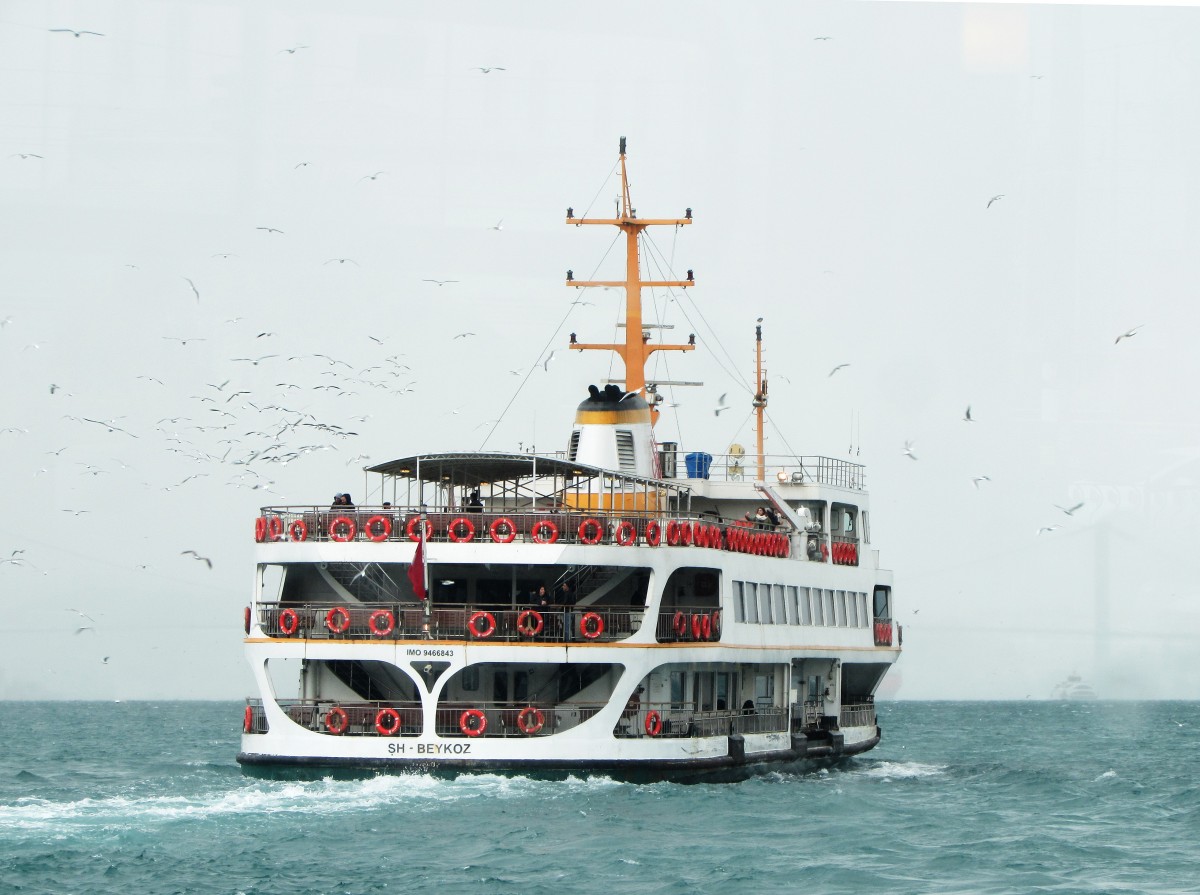
The ferry ride to Jeju Island can take anywhere from 2 hours 40 minutes to over 12 hours, depending on your departure port. The shortest and most practical crossing is from Wando, which takes about 2 hours 40 minutes, while longer overnight options from Incheon or Busan can take 11 to 14 hours but are not currently confirmed on official schedules.
Overview of Jeju Island
Jeju Island, also known as the "Island of the Gods," is a popular tourist destination and a UNESCO World Natural Heritage site. Located approximately 60 miles off the southern coast of the Korean Peninsula, Jeju Island boasts breathtaking landscapes, pristine beaches, lush forests, and unique geological formations.
This volcanic island is home to various natural wonders, the most iconic being Hallasan, South Korea's highest peak and the centerpiece of Hallasan National Park. Hiking enthusiasts can embark on the challenging yet rewarding journey to the summit, where they will be rewarded with panoramic views of the surrounding countryside.
Jeju Island's coastline is adorned with stunning beaches, each with its own charm. The white sands of Jungmun Beach, the black volcanic rocks of Hyeopjae Beach, and the emerald waters of Hamdeok Beach are just a few examples of the island's coastal treasures. These beaches offer a range of activities such as swimming, snorkeling, and even surfing during certain times of the year.
Aside from its natural beauty, Jeju Island is also steeped in history and culture. The island is dotted with ancient shrines, fascinating museums, and Buddhist temples, each providing a glimpse into the island's rich heritage. Visitors can explore the Jeju Folk Village Museum to learn about traditional island life or visit the iconic Seongsan Ilchulbong, a UNESCO World Heritage site known for its dramatic sunrise views.
Moreover, Jeju Island is renowned for its unique cultural practices and festivals. The Jeju Haenyeo (women divers) offer an extraordinary opportunity to witness the diving traditions of the island. These skilled divers have been harvesting seafood using traditional methods for centuries and have been designated as a UNESCO Intangible Cultural Heritage of Humanity.
With its diverse attractions, Jeju Island offers a wide range of activities for every type of traveler. Whether you're seeking adventure, relaxation, cultural immersion, or simply want to connect with nature, Jeju Island promises an unforgettable experience.
Modes of Transportation to Jeju Island
When it comes to reaching Jeju Island, you have a few different transportation options to choose from. The most common methods include air travel, taking a ferry, or a combination of both.
The quickest and most convenient way to get to Jeju Island is by air. Jeju International Airport is well-connected to major cities in South Korea, as well as international destinations. Several airlines offer frequent flights to and from Jeju Island, making it easily accessible for travelers from all over the world. The flight duration from Seoul to Jeju Island is approximately one hour, ensuring a swift and efficient journey.
However, if you prefer a more scenic and leisurely option, taking a ferry can be a wonderful alternative. Jeju Island is renowned for its ferry services, providing an opportunity to enjoy the picturesque surrounding waters while en route to the island. Common mainland departure ports include Wando, Mokpo, Yeosu, and Busan. The fastest common crossing is from Wando, taking about 2 hours 40 minutes, while the ferry from Busan takes around 11–12 hours, making it one of the longer options for reaching the island by sea.
Combining air travel with a ferry ride is another popular choice. Many travelers opt to fly into Jeju Island and then take a ferry back to the mainland or vice versa. This allows for a more varied and flexible travel experience, letting you enjoy both the speed of air travel and the tranquil beauty of a ferry ride.
Regardless of the transportation mode you choose, it's important to plan your journey in advance and consider factors such as travel time, cost, and personal preferences. Keep in mind that ferry services may vary depending on the season, so it's recommended to check the schedules and make reservations beforehand to ensure a smooth travel experience.
Now that we have explored the different modes of transportation, let's dive deeper into the ferry options available for traveling to and from Jeju Island.
Ferry Options to Jeju Island
Taking a ferry to Jeju Island is not only a practical mode of transportation but also a unique way to experience the stunning coastal scenery. The island is well-served by various ferry routes, offering travelers several options to choose from.
The ferry services to Jeju Island operate from several ports on the mainland, including Mokpo, Yeosu, Wando, and Busan. The choice of port will depend on your location and travel preferences. Each port has its own schedule and frequency of ferry departures, so it's essential to check the available options beforehand.
The fastest common mainland crossing is from Wando to Jeju, taking about 2 hours 40 minutes. This route is ideal for travelers who want to minimize time at sea while still enjoying a coastal journey.
Another common ferry route is from Mokpo Port, which is located on the southwestern coast of South Korea. The ferry ride from Mokpo to Jeju Island is comparatively shorter, usually taking around 5-6 hours. This route is favored by travelers who want to enjoy a scenic coastal journey during daylight hours.
For those traveling from the southeastern part of the country, the Busan-Jeju route is available. Busan is also a major transportation hub with excellent connectivity, making it a convenient starting point for many travelers.
It's important to note that ferry schedules and travel times may vary depending on the season and weather conditions. It's advisable to check the updated schedules, ticket availability, and any potential disruptions before planning your trip. Booking your tickets in advance is recommended, especially during peak travel periods, to secure your desired departure time.
Now that we have explored the ferry options to Jeju Island, let's move on to discuss the duration of the ferry ride and factors that can affect the travel time.
Duration of the Ferry Ride to Jeju Island
The duration of the ferry ride to Jeju Island varies depending on the departure port, weather conditions, and the type of ferry you choose.
The ferry journey from Incheon to Jeju Island typically takes around 12-14 hours, providing an overnight travel experience, though this route is not confirmed in current official schedules. While the longer duration may seem daunting, many passengers enjoy the chance to unwind, sleep, or take in the sea views.
This route offers the convenience of shorter travel time while still allowing you to enjoy the coastal scenery during daylight hours.
Busan is well-connected by land and air, making it a convenient starting point for many travelers.
Keep in mind that these durations are rough estimates and can vary depending on sea conditions, ferry speed, and port traffic. Strong winds or rough seas can cause delays or disruptions, so it's essential to check updated schedules and be prepared for possible changes when planning your journey.
Despite the varying durations, the ferry ride to Jeju Island offers sweeping sea views, the possibility of spotting dolphins, and a tranquil onboard atmosphere—all contributing to a memorable travel experience.
In the next section, we will explore some factors that can affect the duration of the ferry ride to Jeju Island.
Factors Affecting the Ferry Ride Duration
Several factors can impact the duration of the ferry ride to Jeju Island. Being aware of these can help you plan more effectively.
1. Weather Conditions: Adverse weather, such as strong winds or storms, can significantly extend the ride or cause delays or cancellations. Always check the forecast before departure and prepare for possible schedule changes.
2. Ferry Type: High-speed ferries are built for faster crossings and typically have shorter travel times than slower, larger vessels. Your choice depends on availability, preference, and the specific route.
3. Port Traffic: During peak travel seasons or busy periods, port congestion can delay departures and arrivals. Arriving early helps ensure a smoother boarding process and reduces the risk of missing your slot.
4. Seasonal Demand: Peak holidays and weekends often bring more ferries into service, which can improve availability and sometimes shorten wait times. In off-peak periods, fewer sailings may operate, leading to longer waits or limited departure options.
5. Route Distance: The departure port you choose directly affects travel time.
Staying informed is key. Check official ferry operator websites, contact customer service, or use local travel resources for real-time updates on any disruptions or changes that may affect your crossing.
Now that we've covered the factors influencing duration, let's move on to tips for optimizing your ferry ride to Jeju Island.
Tips for Optimizing the Ferry Ride Experience to Jeju Island
Here are some valuable tips to enhance your ferry ride experience to Jeju Island:
- Plan Ahead: Research and plan your ferry journey in advance. Check the schedules, ticket availability, and any potential disruptions. Booking your tickets ahead of time will help you secure your preferred departure time and avoid last-minute inconveniences. Note that the fastest common mainland crossing is Wando to Jeju at about 2 hours 40 minutes, while Busan to Jeju takes around 11–12 hours, so factor travel time into your itinerary.
- Arrive Early: Arriving at the port ahead of your scheduled departure time will give you ample time to check-in, go through any necessary procedures, and find your boarding gate. It will also help you avoid rushing and ensure a stress-free start to your journey.
- Pack Essentials: Bring essential items to ensure a comfortable ferry ride. Pack some snacks, water, a light jacket or sweater, and any other personal items that you might need during the journey. It's also advisable to have some entertainment, such as a book, music, or other activities, to keep yourself occupied during the travel time.
- Enjoy the Scenery: Take advantage of the picturesque views during the ferry ride. Immerse yourself in the beauty of the sea, enjoy the fresh air, and keep an eye out for dolphins or other marine life that might make an appearance. Don't forget to capture some memorable moments with your camera.
- Relax and Unwind: Use the ferry ride as an opportunity to relax and unwind. Take a nap, meditate, or simply enjoy the calm ambiance onboard. Treat it as a mini getaway where you can disconnect from the everyday hustle and bustle and enjoy some moments of tranquility.
- Stay Informed: Stay updated with any announcements or changes regarding your ferry journey. Pay attention to any announcements made onboard and stay informed about the disembarkation process at Jeju Island. Being aware of the necessary information will help you navigate the arrival process smoothly.
- Respect the Environment: Help maintain the cleanliness and beauty of the ferry and the surroundings. Dispose of waste properly, avoid littering, and follow any guidelines provided by the ferry staff. Respecting the environment will contribute to a pleasant experience for everyone.
By following these tips, you can optimize your ferry ride experience and make it a memorable part of your journey to Jeju Island.
Now that we've covered the tips, let's conclude our discussion on the ferry ride to Jeju Island.
Conclusion
Traveling to Jeju Island is an adventure filled with natural beauty, cultural exploration, and unforgettable experiences. While air travel remains the most common choice for reaching the island, taking a ferry offers a distinctive and enjoyable alternative.
In this article, we explored the various modes of transportation to Jeju Island and focused on the ferry options available. We discussed the duration of the ferry ride, which can vary depending on the route, weather conditions, and other factors. Meanwhile, the fastest common mainland crossing is Wando to Jeju at about 2 hours 40 minutes, with Mokpo and Yeosu also serving as departure ports.
We also highlighted the factors that can influence the ferry ride duration, such as weather conditions, ferry type, port traffic, and seasonal demand. It's essential to consider these factors when planning your journey and to stay informed about any changes or disruptions to ferry services.
To optimize your ferry ride experience to Jeju Island, we provided some helpful tips. Planning ahead, arriving early, packing essentials, embracing the scenery, and finding time to relax and unwind are just a few ways to make the most of your journey. Additionally, respecting the environment and staying informed about any announcements or changes will contribute to a smoother and more enjoyable experience.
Whichever mode of transportation you choose to reach Jeju Island, whether it's by air or by ferry, the key is to savor every moment. Take in the breathtaking landscapes, immerse yourself in the rich culture, and embrace the unique charm of the island. Jeju Island awaits with its natural wonders and captivating beauty, ready to offer you an unforgettable journey.
So, whether you decide to soar through the skies or set sail across the sea, Jeju Island is waiting to welcome you with open arms. Start planning your trip today and get ready to embark on an adventure of a lifetime.
Related travel guides: South Travel Highlights In Korea, Beaches In Korea, and The Female Free Divers Of Jeju.