Part of our Rajasthan guide.
Rajasthan’s hidden textile workshops, lesser-known folk dances, camel safari oases beyond the main dunes, and the meaning behind traditional dress are the four subjects covered here. Each section draws from our Rajasthan coverage, gathered into one page.
Related travel guides: Desert Adventures and Heritage In Rajasthan, Hidden Gems In Rwanda, Top 10 International Topless Beaches For An Even Sun-kissed Skin, What's JetBlue Baggage Fees and How to Avoid Them?, St Lucia Cruise Port Guide, Things To Do, Shore Excursions, and A Smart Antarctica Packing List (What To Wear In Antarctica).
Craft Scene
Hidden in Rajasthan’s cities and villages are workshops where artisans practice ancient textile dyeing techniques. From the bright hues of Bandhani to the intricate patterns of Leheriya, each piece tells a story. Visiting these workshops offers a glimpse into the artistry behind every dyed fabric.
Folk Dances You Might Not Know
Rajasthan’s traditional dances tell stories of bravery, love, and everyday life. From the energetic Ghoomar to the mesmerizing Kalbelia, each dance has its unique charm. The colorful costumes, rhythmic music, and graceful movements make these performances unforgettable. These dances are often performed at village festivals and desert camps.
Hidden Camel Safari Oases
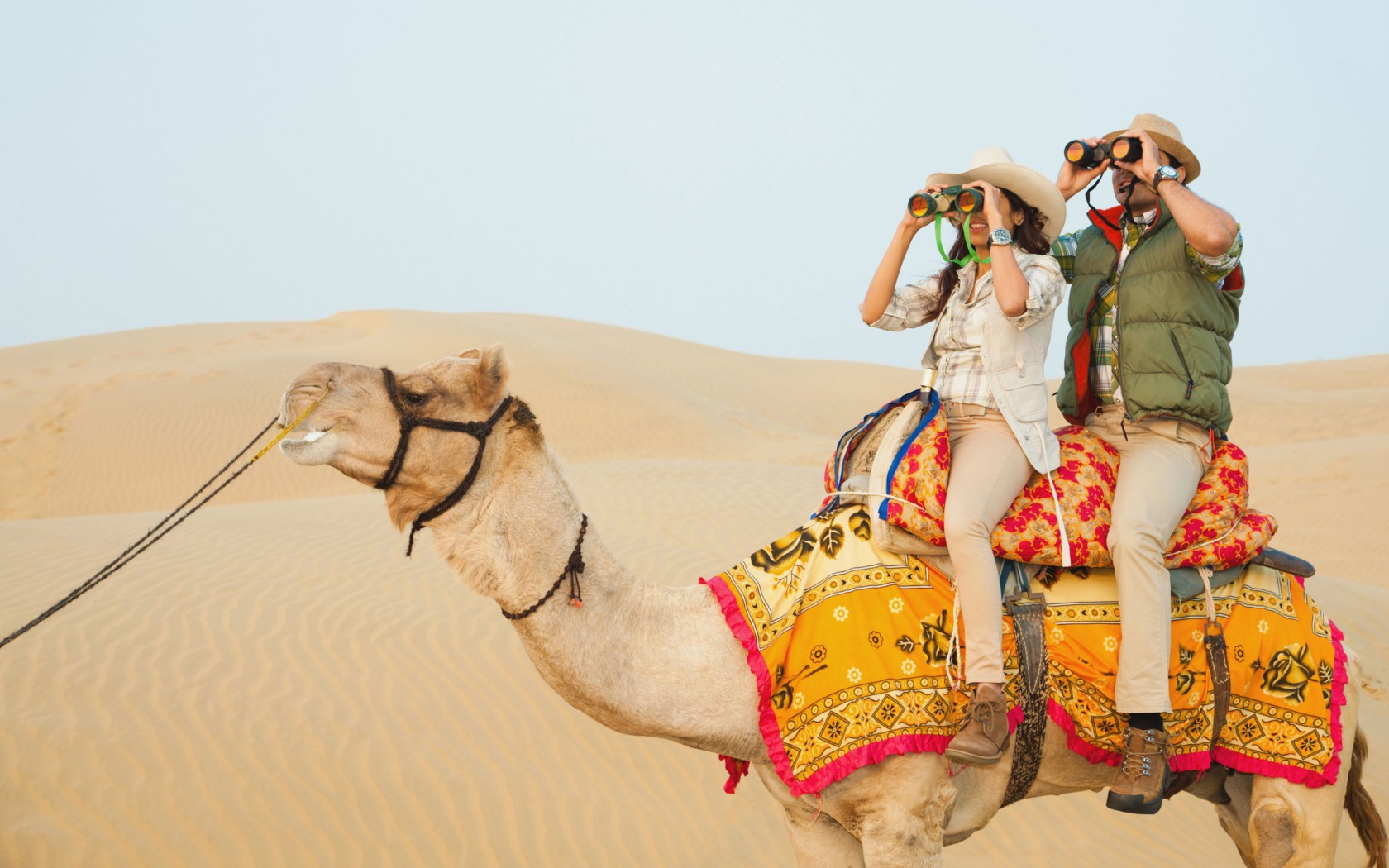
Camel safaris in Rajasthan offer a way to experience the vast Thar Desert, exploring ancient forts, vibrant markets, and remote villages while swaying atop a camel. These safaris immerse you in the culture and history of the region. The most memorable routes include overnight stops at hidden oases where herders bring their camels to water, far from the tourist crowds.
Traditional Dress Revealed
The vibrant colors, intricate designs, and unique accessories make Rajasthan’s traditional dress one of the most eye-catching attires in India. Each piece reflects the culture and history of the region. From the elegant ghagra worn by women to the striking safa or turban donned by men, every element has a purpose and meaning. The ghagra is typically paired with a kanchli (blouse) and odhni (veil), while the safa’s color and tying style often indicate the wearer’s community or occasion.