

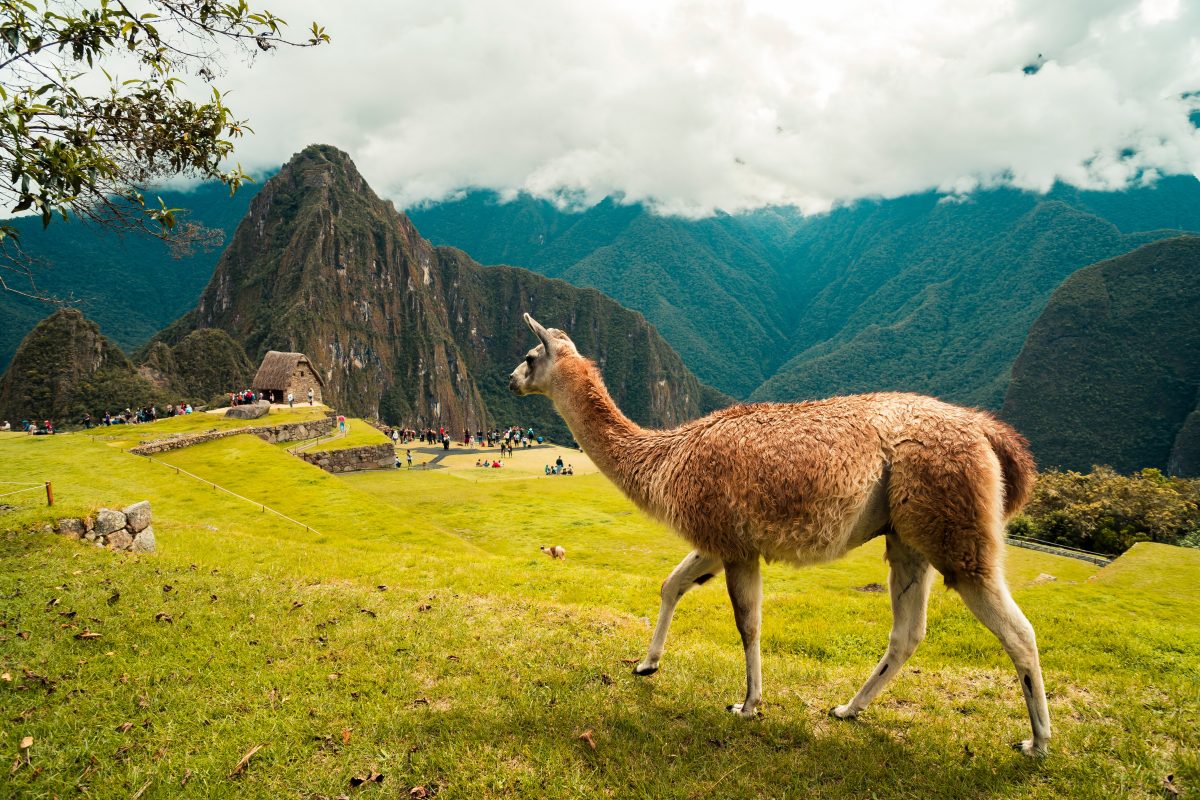
Part of our Peru guide.
17 places and guides from our Travel Inspiration coverage, gathered into one page.
A Complete Guide To Paracas, Peru
Paracas, a small coastal town on Peru’s Pacific shore, sits in the Paracas Bay just a few hours south of Lima, making it an easy getaway for domestic and international travelers. It serves as the gateway to the Paracas National Reserve, a protected area famed for its rich marine biodiversity and archaeological wonders. Here, you can spot sea lions, penguins, and flamingos amid stunning landscapes that range from desert cliffs to turquoise waters. The town’s fascinating history and vibrant culture add depth to its natural beauty. Whether you’re stopping by for a day or staying longer, Paracas offers a memorable blend of wildlife and striking scenery that will leave you in awe.
The Floating Villages Of Lake Titicaca In Peru
Located in the southeast of Peru, on the border with Bolivia, Lake Titicaca is the highest navigable lake in the world. Spanning an impressive area of 8,372 square kilometers, the lake holds deep cultural significance for the indigenous communities that call its shores home. The word "Titicaca" itself carries a mystique, derived from the ancient Aymara language, meaning "gray puma." This majestic body of water, with its clear blue depths and breathtaking scenery, has long been a source of inspiration for visitors and inhabitants alike.
Sun And Fun In The Desert: The Huachina Oasis In Peru
Just a short drive from Ica, Huacachina is a tiny oasis ringed by towering sand dunes and built around a natural lagoon. Despite its small size, it packs in both adrenaline and calm: you can sandboard down steep slopes or take a dune buggy ride across the rippling desert. The contrast between the green palm trees, the blue water, and the endless golden sand makes it feel like a mirage. It’s one of the best hidden gems in Peru for travelers who want a quick escape from the city without sacrificing scenery. Whether you’re chasing sunset views from the dunes or just cooling off by the water, Huacachina delivers a memorable desert break.
How Many Tourists Visit Machu Picchu Every Year
Machu Picchu, perched high in the Andes Mountains of Peru, is one of the world’s most iconic archaeological sites. This ancient Incan city, set on a ridge between two peaks, draws thousands of visitors annually, all eager to explore its mysteries. Known as the “Lost City of the Incas,” it was rediscovered in 1911 by American explorer Hiram Bingham. Since then, it has fascinated tourists, historians, and archaeologists alike, with many using the nearby town of Aguas Calientes as their base before heading up to the ruins. For those planning a visit, a Cusco travel guide often highlights the site’s significance, while hiking and the outdoors in Peru offer alternative routes to this remarkable wonder.
Be My Travel Muse
Welcome to Peru, a South American country rich in history, culture, and natural beauty. Known for its ancient ruins, diverse landscapes, and vibrant traditions, Peru is the heartland of the Inca civilization, which thrived from the 13th to the 16th century. The Inca legacy endures in impressive structures and archaeological sites across the country. The most iconic destination is Machu Picchu, an ancient city nestled in the Andes Mountains. For those planning their journey, a Cusco travel guide can help you navigate the region, while hiking and the outdoors in Peru offer endless adventure. Whether you're drawn to history or scenery, Peru delivers unforgettable experiences.
A Guide To Visiting To Pisac, Peru - The Ruins + Market
Welcome to Pisac, a small village in Peru’s Sacred Valley, set against the Andes. The main draw is the archaeological site above town, where you’ll find impressive Inca ruins with intricate stonework, steep agricultural terraces, and sweeping views over the valley floor. The site’s layout and precision reflect the same engineering mastery you’ll see when exploring the ancient Inca city of Cusco, Peru. For a practical visit, plan to arrive early to beat tour groups and the midday sun. The ruins sit within walking distance of the village, but the uphill climb is steep, so take your time or hire a taxi. Down in the plaza, the market runs on select days, offering textiles and crafts. Pair this stop with other Sacred Valley highlights for a full day.
The Boleto Turistico - Everything You Need To Know About Cusco's Tourist Ticket
When planning your visit to Cusco, the Boleto Turistico is an all-in-one pass granting access to the region’s archaeological sites, museums, and attractions. This ticket streamlines entry while supporting the preservation of these landmarks. It covers major ruins and cultural venues, saving you both time and money compared to buying individual entries. Before you go, decide which of the available ticket types suits your itinerary—options vary by validity period and the number of sites included. Purchase it at official offices or authorized agencies in Cusco. Beyond convenience, the pass encourages you to explore lesser-known corners, making it a practical key to both famous sights and hidden gems in Peru. For a seamless trip, keep your ticket safe, as it is non-transferable and must be presented at each site.
A Complete Guide To Exploring Cusco's Ruins (Without A Tour)
Welcome to Cusco, Peru, where ancient Inca sites bring history to life. While guided tours are popular, exploring independently lets you set your own pace and connect more deeply with the ruins. This approach works well within any broader Cusco travel guide, giving you the flexibility to linger where others rush. Wander through Sacsayhuamán’s massive stone walls, climb the terraces of Q’enqo, or admire the precision of Tambomachay’s aqueducts—all without a guide. You’ll also uncover hidden gems in Peru like the quiet paths of Puka Pukara, often missed by group itineraries. Bring water, a hat, and a map, and start early to avoid crowds. With a little planning, you can enjoy these archaeological wonders on your own terms, soaking in the atmosphere and history at every turn.
The Surprising Truth About Cusco's Rainbow Flag
Many visitors to this historic Peruvian city are surprised to learn that the rainbow flag flying in Cusco isn’t primarily a symbol of LGBTQ+ pride. Here, it represents the ancient Incan Empire. Known as the Wiphala, this flag has been a symbol of Andean culture for centuries, its vibrant colors reflecting the diversity and richness of the region’s heritage. So when you see it waving above the city while exploring the ancient Inca city of Cusco, Peru, remember its deep cultural roots. It’s a meaningful piece of local identity, not just a familiar banner—a subtle reminder of the history woven into every street and stone.
Sandboarding In The Peruvian Desert
Sandboarding in the Peruvian desert delivers the adrenaline rush of gliding down towering sand dunes, combining elements of snowboarding and skateboarding on sand instead of snow or concrete. Peru stands out as a premier destination for this sport thanks to its vast stretches of desert terrain. For those planning an adventure, this activity fits naturally into a broader trip that includes hiking and the outdoors in Peru, where the desert’s scale rivals the Andes. The sport has gained global popularity, but here, the dunes offer both steep drops for experts and gentler slopes for beginners. Whether you’re a seasoned boarder or a curious first-timer, the Peruvian desert provides an unforgettable playground, pairing extreme sport with striking arid landscapes.
The Lares Trek And Machu Picchu (Daily Breakdown + Video)
Machu Picchu, the ancient Inca city high in the Andes, is the region’s iconic draw. While the Inca Trail gets the fame, the Lares Trek offers a less crowded, more immersive route to the UNESCO site. This route cuts through remote Andean villages, high mountain passes, and scenic valleys—ideal for those focused on hiking and the outdoors in Peru. It’s a practical pick for travelers following a Cusco travel guide and wanting to escape the crowds. For a deeper dive into the area’s history, you might also look into the secrets of the Inca stone cutting quarries in the region. The trek delivers the same destination with far more solitude and raw natural beauty.
A Definitive Guide To Cycling Through Paracas National Reserve
Paracas National Reserve, on Peru’s southern coastline in the province of Pisco, rewards cyclists with raw, varied scenery. Pedaling its routes means trading the car for wind and dust as you trace the Pacific shore, where desert meets sea in a stark, dramatic sweep. The terrain shifts quickly: firm sand tracks, rocky headlands, and sections of soft sand that demand focus. Keep your eyes up for the reserve’s wildlife—flamingos wading in the shallows, sea lions lounging on offshore rocks, and the ever-present Andean condors circling the cliffs. The reward is a rhythm of constant discovery, from the red-rock cliffs of Playa Roja to the wind-sculpted arches near the peninsula’s tip. For those who love hiking and the outdoors in Peru, this ride offers a different, slower vantage on the same raw coast. Bring water, sun protection, and a bike suited to mixed surfaces—the desert is unforgiving, but the memories are not.
Going Local In The Sacred Valley, Cusco, Peru
Welcome to the Sacred Valley of Cusco, Peru - a destination rich in cultural heritage, breathtaking landscapes, and vibrant local communities. Nestled in the Andes Mountains, this region offers an immersive experience for travelers seeking to go beyond the beaten path. As you explore, you'll discover traditional villages, bustling local markets, and captivating archaeological sites, all tied to a deep-rooted connection with nature. This guide points you to the hidden gems in Peru and local experiences that make the Sacred Valley a must-visit for an authentic adventure. For practical advice on what to pack for a trip to Peru in any season, start here. Use this as your Cusco travel guide to plan your route through the valley's heart.
Discovering The Normal In San Camilo Market - Arequipa
San Camilo Market in Arequipa is where daily Peruvian life unfolds, far from the tourist trail. Vendors call out over stalls piled with vivid produce, local cheeses, and freshly caught fish, while the air fills with the scent of herbs and roasting coffee. It’s a working market first—a place where residents shop for their daily bread and family meals. Wander the narrow aisles and you’ll find everything from traditional Andean grains to butchers’ displays that might surprise first-time visitors. The iron-and-glass structure dates back over a century, adding a layer of history to the bustle. For travelers seeking hidden gems in Peru, this is where authenticity lives—no staged shows, just the rhythm of everyday commerce. Come hungry, stay curious, and let the chaos become your guide.
The Perfect Peru Packing List
Peru’s landscapes range from the towering Andes Mountains to the sprawling Amazon rainforest and the ancient ruins of Machu Picchu. Weather varies widely by region and season—highlands can drop drastically in temperature, while the Amazon stays hot and humid. Pack layers for hiking and the outdoors in Peru, including a warm jacket, moisture-wicking shirts, and sturdy trekking shoes. For exploring the ancient Inca city of Cusco, Peru, add a sun hat, sunscreen, and rain gear for sudden showers. In the lowlands, include lightweight, breathable clothing and insect repellent. Don’t forget a refillable water bottle, basic toiletries, and a small daypack for ruins. This list covers the essentials to keep you prepared across Peru’s diverse climates.
How To Go Peruvian Wine Tasting – Pisco Distilleries In Ica
Ica, in southern Peru, is the heart of the country’s wine and Pisco production. The region’s fertile soil and coastal climate have supported winemaking since Spanish colonial times, building on traditions that stretch back to the Inca civilization. Today, Ica is the hub for Pisco distilleries and vineyards, where you can taste the unique flavors of Peruvian wine and the national brandy, Pisco. The area’s deep-rooted winemaking heritage is distinct, shaped by centuries of local practice. Whether you’re a seasoned oenophile or a curious traveler, the distilleries here offer an authentic look at Peru’s flourishing wine industry, a true highlight among the country’s many attractions.
Visit The Alternative Rainbow Mountain Palccoyo V's Vinicunca
While Machu Picchu and the Sacred Valley often steal the spotlight, Palccoyo offers a captivating, less-crowded alternative to the famous Vinicunca. Located in the Andes, this lesser-known destination is a must-visit for nature enthusiasts. Unlike its more famous counterpart, Palccoyo requires less strenuous hiking and provides equally stunning views of the rainbow-colored mountains. It's a true find among hidden gems in Peru, perfect for those wanting to experience the region’s beauty without the crowds. For anyone planning a trip, this spot is a fantastic addition to any Cusco travel guide, offering a unique perspective on the country’s diverse landscapes.
