Part of our Myanmar guide.
Bagan’s temple plain holds over 2,000 religious structures; the Kakku Pagoda complex in Shan State contains numerous stupas, making it one of the largest and most impressive collections of ancient pagodas in the country. This page gathers 14 guides from our coverage of Bagan temples and Myanmar highlights.
Related travel guides: The Best Things To Do In Mandalay Myanmar, Hidden Gems In Myanmar, Hiking And The Outdoors In Myanmar, The Best Burmese Food, and The Cost Of Jade.
How To Explore Bagan Myanmar By E-Bike
Bagan, located in Myanmar (formerly known as Burma), is a destination that captures the hearts of travelers with its awe-inspiring ancient temples and pagodas. This archaeological wonder boasts more than 2,000 religious structures spread across a vast plain, making it a must-visit site for history enthusiasts and adventurers alike. To fully explore the beauty and grandeur of Bagan, one of the best ways is by renting an e-bike. With the rise in popularity of e-bikes, locals and tourists alike have discovered the convenience and joy of zipping through the picturesque landscapes and temples on these electric-powered bicycles. E-bikes allow you to cover more ground than a bicycle while staying cooler than a traditional scooter, and rental shops are abundant near the main temple zone. Expect to pay around 10,000–15,000 kyat per day (as of the early 2020s), and always check the battery level before heading out at sunrise. Stick to the designated dirt tracks and paved roads; many temples are accessible only via sandy paths that an e-bike handles easily. Remember to remove your shoes and socks before entering any temple, and dress modestly—shoulders and knees covered.
Kakku Guide - Myanmar's Amazing Pagodas
Myanmar, also known as Burma, is a country rich in diverse cultural heritage and stunning natural landscapes. It is home to numerous pagodas, temples, and religious sites that attract visitors from around the world. Among these architectural wonders is the renowned Kakku Pagoda complex. The Kakku Pagodas, located in the Shan State of Myanmar, are a hidden gem that captures the essence of Myanmar's spiritual and architectural splendor. The site sits about 50 kilometers south of Taunggyi, the state capital, and is best reached by private car or organized tour. Most visitors combine Kakku with a trip to Inle Lake, as the drive from Nyaungshwe takes roughly two hours. The pagodas are arranged in neat rows, many dating from the 15th to 18th centuries, and the atmosphere is remarkably peaceful compared to Bagan. Entrance fees are typically included in a combined Inle Lake zone ticket (around 150,000 kyat as of 2023), but check locally as prices change. Early morning visits offer the best light and fewest crowds.
Bagan, Myanmar's Best Sunrise And Sunset Spots
Bagan, located in the heart of Myanmar, has long been revered as one of the country's most captivating destinations. With its sprawling temple complexes, breathtaking landscapes, and rich cultural heritage, Bagan is a true gem that attracts travelers from around the world. This ancient city was once the capital of the prosperous Pagan Kingdom, and it served as a center of political, economic, and religious power from the 9th to the 13th century. Today, Bagan stands as a testament to Myanmar's glorious past, with over 2,000 well-preserved temples scattered across its vast plains. For sunrise, the most popular spots include the upper terrace of Shwesandaw Pagoda (closed for renovation at times, so check ahead), the less crowded Buledi Temple, and the open area near Dhammayangyi Temple. Sunset views are spectacular from Pyathada Hpaya, which has a wide platform, and from the top of Taung Guni, a smaller temple on the southern plain. Arrive at least 30 minutes before sunrise or 45 minutes before sunset to secure a good spot. Hot air balloons drift over the temples at dawn from October to March—book months in advance if you want a ride (prices start around $350 per person).
Trek In Myanmar's Shan State
Welcome to Shan State, a land of breathtaking beauty and captivating cultural heritage in Myanmar. Tucked away in the eastern part of the country, Shan State is a haven for adventure seekers and nature lovers alike. Its stunning landscapes, rugged mountains, traditional villages, and vibrant local customs make it a perfect destination for trekking enthusiasts. Shan State is the largest state in Myanmar, covering an area of over 60,000 square kilometers. It is home to diverse ethnic groups, including the Shan, Palaung, Lisu, and Akha, each with their own distinct cultures and traditions. The most popular treks start from Kalaw, a former British hill station, and end at Inle Lake—a three-day, two-night walk covering about 50 kilometers. You’ll pass through pine forests, farmland, and villages where you can stay in basic homestays. Expect to pay around $30–$40 per day for a guide and porter, including meals and accommodation. The best season is November to February, when days are cool and dry. Bring sturdy shoes, a sleeping bag liner, and plenty of water purification tablets.
Boat Tour Through Inle Lake's Stilted Villages
Imagine gliding through serene waters, surrounded by floating gardens and stilted houses. A boat tour through Inle Lake offers this magical experience. Located in Myanmar, Inle Lake is famous for its unique way of life. Villages built on stilts rise above the water, creating a picturesque scene. Fishermen balance on one leg while rowing, a skill passed down through generations. Markets float, and vendors sell fresh produce from their boats. The lake is also home to ancient pagodas and monasteries. A standard full-day boat tour from Nyaungshwe costs around 30,000–40,000 kyat per boat (up to five people) and covers the Phaung Daw Oo Pagoda, the jumping cat monastery (though the cats no longer perform), and the Intha leg-rowers. Visit the morning market at Ywama or Indein—the market rotates every five days, so ask your boatman for the schedule. The floating gardens near the lake’s western shore grow tomatoes and gourds on beds of water hyacinth. Wear a hat and sunscreen; the sun on the water is intense.
10 Most Beautiful Bagan Temples To Visit
With over 2,000 structures spread across a vast archaeological zone, Bagan is truly a treasure trove for history enthusiasts and avid travelers alike. Among the plethora of temples in Bagan, there are certain gems that stand apart for their exceptional beauty and historical significance. In this article, we will take you on a journey through the 10 most captivating Bagan temples that are not to be missed. From grand structures adorned with exquisite carvings to serene temples offering panoramic views of the surrounding plains, these temples offer a glimpse into the rich cultural heritage and architectural prowess of the region. The list includes Ananda Temple (built 1105, with four standing Buddhas), Dhammayangyi Temple (the largest, with brickwork so fine that legend says a hair cannot pass between the stones), Thatbyinnyu Temple (the tallest at 61 meters), Shwesandaw Pagoda (five terraces, popular for sunset), Bupaya Pagoda (a cylindrical stupa on the riverbank), Gawdawpalin Temple (restored after the 1975 earthquake), Htilominlo Temple (known for its plaster carvings), Sulamani Temple (built 1183, with frescoes), Pyathada Hpaya (wide platform for views), and Lawkananda Pagoda (a small riverside shrine). Each temple requires an entrance fee covered by the Bagan Archaeological Zone pass (25,000 kyat, valid for five days).
Travel Guide
Myanmar, also known as Burma, is a captivating country in Southeast Asia that has recently emerged as a popular tourist destination. Steeped in rich history, diverse cultures, and breathtaking landscapes, Myanmar offers a unique travel experience for adventurers and culture enthusiasts alike. Located between India and Thailand, Myanmar is known for its golden pagodas, ancient temples, and monasteries that showcase the country's strong Buddhist heritage. In recent years, Myanmar has undergone significant political and economic reforms, opening its doors to international visitors and revealing its hidden treasures. For practical travel, the peak season runs from November to February, when temperatures are mild. The monsoon season (June–October) brings heavy rain, especially in the coastal regions. Visas are required for most nationalities and can be applied for online (e-visa, $50, valid for 28 days). The local currency is the kyat, but US dollars are widely accepted for hotels and tours—bring crisp, undamaged notes. Getting around Myanmar is possible by domestic flights, buses, trains, and boats; for specific routes, see our guides on getting around Myanmar.
The Faces Of Myanmar
Myanmar, also known as Burma, is a country nestled in Southeast Asia, bordered by China, Thailand, Laos, Bangladesh, and India. This diverse and culturally rich nation has been capturing the attention of travelers and global investors in recent years. With its intriguing history, ethnic diversity, and stunning natural landscapes, Myanmar has become a fascinating destination to explore. Myanmar has a long and complex history, with traces of ancient civilizations dating back thousands of years. The country has witnessed the rise and fall of several powerful kingdoms, leaving behind a legacy of magnificent temples and historical sites. The faces you meet—from the thanaka-painted women in rural villages to the monks collecting alms at dawn—tell stories of resilience and hospitality. In Yangon, the Shwedagon Pagoda remains the spiritual heart, while in Mandalay, the Mahamuni Buddha is daily bathed by devotees. For deeper cultural immersion, consider a homestay in a village near Bagan or a monastery stay in Shan State.
Letters From Arakan
Welcome to the enchanting land of Arakan, a region nestled in the western part of Myanmar. Known for its rich cultural heritage, breathtaking natural beauty, and diverse communities, Arakan offers a unique and captivating experience for travelers and locals alike. In this series of letters from Arakan, we will delve into various aspects of this fascinating region, providing you with an insider's perspective on its history, traditions, challenges, and more. Join us on this virtual journey as we uncover the hidden gems of Arakan and shed light on the vibrant tapestry that makes up its fabric. Arakan (now officially Rakhine State) is home to the stunning Mrauk U archaeological site, a former capital with hundreds of temples built between the 15th and 18th centuries. The region also features long, empty beaches like Ngapali, though access is restricted in some areas due to ongoing conflicts. Travelers should check current government advisories before planning a visit.
Visit The Thai Burma Death Railway In Thanbyuzayat Myanmar
The Thai Burma Death Railway is a significant historical landmark located in Thanbyuzayat, Myanmar. This railway holds great importance as a reminder of the immense human suffering and sacrifice that occurred during World War II. Constructed by Allied prisoners of war and forced laborers under Japanese occupation, the Thai Burma Death Railway was a vital supply route connecting Thailand to Myanmar. It was intended to support the Japanese military in their campaign in Southeast Asia. The construction of the railway began in 1942 and was completed in 1943, spanning a distance of approximately 415 kilometers. At Thanbyuzayat, you can visit the war cemetery maintained by the Commonwealth War Graves Commission, where 3,774 Allied soldiers are buried. The railway museum nearby displays photographs, tools, and personal artifacts. The actual railway line is no longer operational, but a short section of track and a locomotive remain as a memorial. The site is about 65 kilometers south of Mawlamyine, easily reached by bus or taxi. Allow two hours for a respectful visit.
How To Spend A Day In Myanmar's NEW Capital City - Naypyidaw
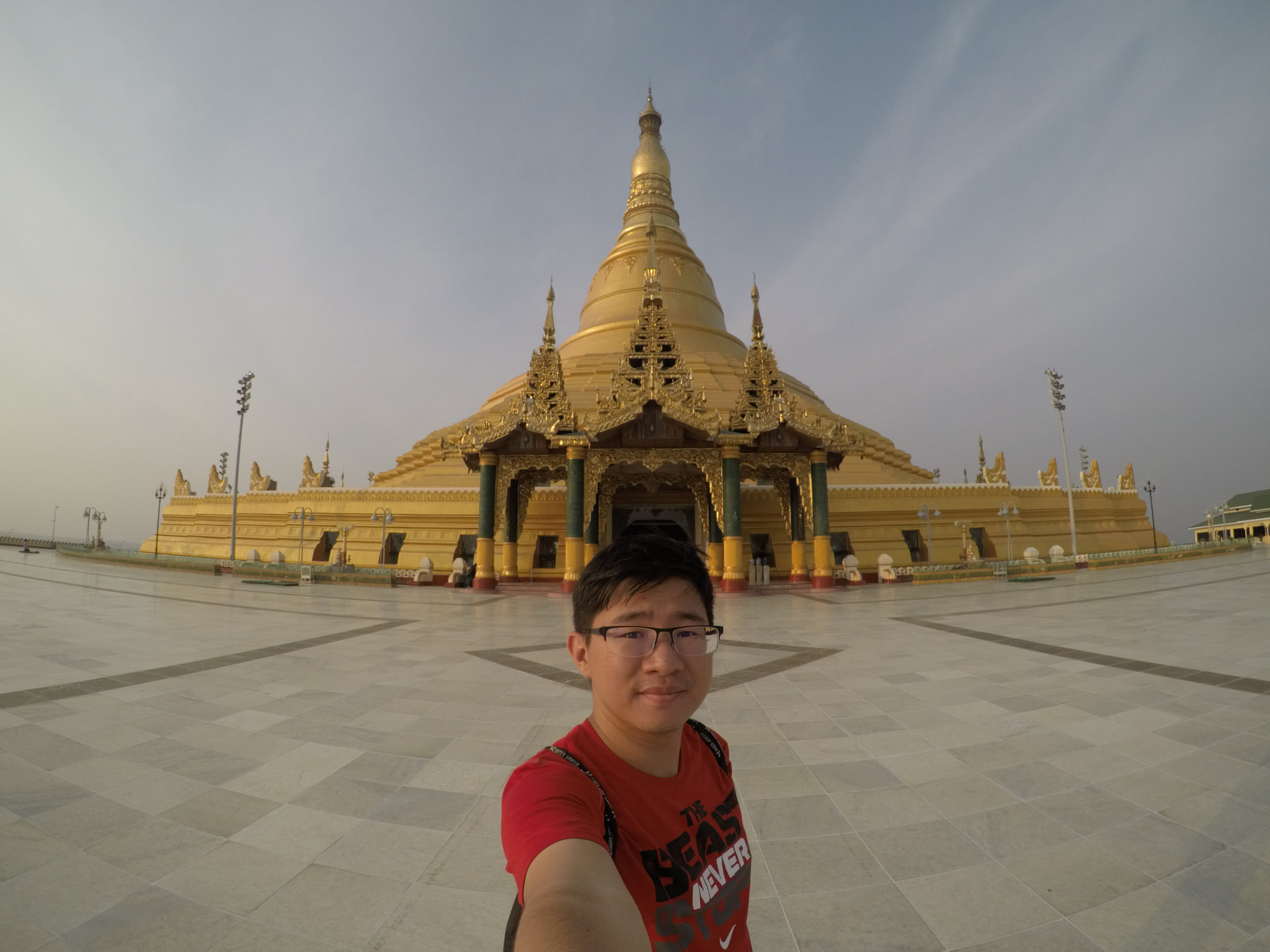
Welcome to Naypyidaw, Myanmar's capital city and a hidden gem waiting to be explored. This modern metropolis boasts stunning architecture, lush green spaces, and a unique blend of traditional and contemporary attractions. Since its inauguration as the capital in 2005, Naypyidaw has quickly emerged as a prominent destination for both locals and tourists seeking to escape the hustle and bustle of Yangon and Mandalay. With its well-planned streets, extensive parks, and world-class amenities, Naypyidaw offers a serene and laid-back atmosphere that allows visitors to immerse themselves in the beauty and tranquility of Myanmar. Start your day at the Uppatasanti Pagoda, a near-replica of Yangon’s Shwedagon, standing 99 meters tall. Then drive the 20-lane highway to the Naypyidaw Water Fountain Park (open 7 AM–9 PM, free entry). In the afternoon, visit the National Museum (entry 5,000 kyat) and the sprawling Naypyidaw Zoo, which houses over 400 species. The city’s layout is car-dependent; taxis are the only practical transport, with fares starting at 5,000 kyat for short trips. Note that many restaurants close by 9 PM, so plan dinner early.
How To Go From Mawlamyine To Sukhothai
Embarking on an adventure from Mawlamyine to Sukhothai is an experience that combines the charm of Myanmar and Thailand. Mawlamyine, a picturesque town situated on the scenic banks of the Thanlwin River, offers a unique blend of rich history, lush landscapes, and welcoming locals. The journey from Mawlamyine to Sukhothai takes you through diverse terrains, ancient ruins, and cultural wonders. During your time in Mawlamyine, don't miss the opportunity to explore its captivating attractions. Marvel at the iconic Kyaiktiyo Pagoda, also known as the Golden Rock, perched on a cliff, seemingly defying gravity. To reach Sukhothai, take a bus from Mawlamyine to Myawaddy (about 4 hours, 10,000 kyat), cross the border into Mae Sot, Thailand, then catch a bus to Sukhothai (6–7 hours, 350 baht). The border at Myawaddy–Mae Sot is open daily 6 AM–6 PM. Ensure your passport has at least six months’ validity and obtain a Thai visa in advance if needed. The total journey takes one full day; overnight in Mae Sot if you miss the last bus.
How To Take The Ayeyarwady River From Mandalay To Bagan
The Ayerwaddy River, also known as the Irrawaddy River, is the lifeline of Myanmar. Flowing through the heart of the country, it is not only a vital transportation route but also a fascinating destination for travelers seeking to immerse themselves in Myanmar's rich culture and natural beauty. One of the most popular ways to experience the Ayerwaddy River is by taking a river cruise from Mandalay to Bagan. Mandalay, the former royal capital and the second-largest city in Myanmar, is the ideal starting point for this journey. Two types of boats operate: the public “slow boat” (departs 6 AM, arrives 5 PM, 10,000 kyat) and private tourist cruises (from $50–$150 per person, including lunch and stops at villages). The public boat is a basic cargo vessel with bench seating; bring snacks, water, and a cushion. The journey covers about 200 kilometers downstream, passing sandbanks, small temples, and riverside life. Book tickets at least a day in advance at the Mandalay jetty near the U Bein Bridge. The slow boat runs daily during dry season (November–May); in the wet season, schedules may change.
Exploring Mingun Pahtodawgyi Ruins
Have you ever wondered about the story behind the Mingun Pahtodawgyi ruins? This massive, unfinished pagoda in Myanmar holds a fascinating tale. King Bodawpaya started its construction in 1790, aiming to build the world's largest stupa. However, the project halted after his death, leaving behind a colossal brick structure. Despite its incomplete state, the site attracts many visitors. Its sheer size and the cracks from an 1839 earthquake add to its mystique. Climbing to the top offers stunning views of the Irrawaddy River and surrounding areas. Mingun is located about 11 kilometers upriver from Mandalay, reachable by a 45-minute boat ride (round-trip 5,000 kyat, departures from the Mingun jetty near the Mandalay Palace). The site also features the Mingun Bell, the world’s largest uncracked ringing bell, weighing 90 tonnes. Combine your visit with the nearby Hsinbyume Pagoda, a white, wave-like structure built in 1816. Allow half a day for the trip, and bring sunscreen and water as there is little shade.