

Secrets Of Desert Star Navigation In Algeria’s Sahara
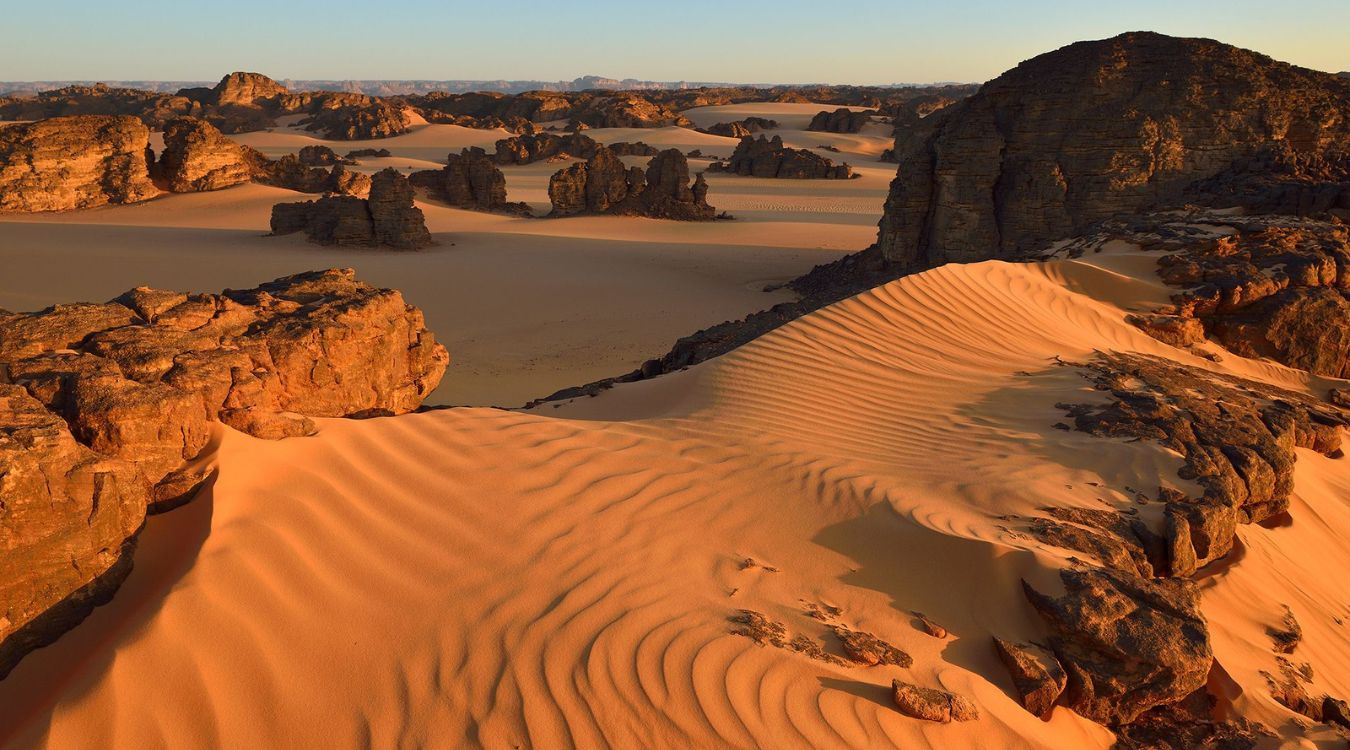
Have you ever wondered how ancient travelers found their way through the vast Sahara Desert? In Algeria, navigating the endless dunes and scorching heat required more than just a good sense of direction. Desert star navigation played a crucial role in guiding caravans safely across the barren landscape. By observing the stars, these skilled navigators could determine their position and direction, even in the darkest nights. This ancient technique, passed down through generations, remains a fascinating aspect of desert travel. Let's explore how these celestial guides helped shape the journeys of those who dared to cross the Sahara.
Secrets of Desert Star Navigation in Algeria's Sahara
The vast Sahara Desert in Algeria is a place of mystery and wonder. For centuries, travelers have relied on the stars to guide them through its endless dunes and harsh landscapes. Let's uncover some secrets of desert star navigation in this majestic desert.
The Importance of the North Star
The North Star, also known as Polaris, is a crucial guide for desert travelers. It remains almost stationary in the sky, making it a reliable point of reference.
- Finding Polaris: Locate the Big Dipper constellation. The two stars at the end of the 'bowl' point directly to Polaris.
- Using Polaris: Once Polaris is found, travelers can determine true north, helping them maintain their direction.
The Role of Constellations
Constellations play a significant role in desert navigation. They help travelers identify directions and keep track of time.
- Orion's Belt: This constellation is easy to spot and points east-west. It helps travelers orient themselves during their journey.
- Cassiopeia: This W-shaped constellation is opposite the Big Dipper and can also help locate Polaris.
The Moon as a Guide
The moon's phases and position in the sky can provide valuable information for navigation.
- Waxing and Waning: A waxing moon rises before midnight and a waning moon rises after midnight. This helps travelers estimate the time.
- Moon's Position: The moon's position relative to the horizon can indicate direction. For example, a full moon rising in the east sets in the west.
Traditional Knowledge and Techniques
Local nomads and Bedouins have passed down traditional navigation techniques through generations.
- Star Paths: Nomads use specific star paths, which are routes marked by the positions of stars at different times of the night.
- Shadow Sticks: During the day, travelers use sticks to cast shadows, helping them determine direction based on the sun's movement.
Modern Tools Complementing Ancient Techniques
While ancient techniques remain valuable, modern tools have also become part of desert navigation.
- GPS Devices: These devices provide precise location data, but travelers still rely on stars when technology fails.
- Compass: A simple yet effective tool, the compass complements star navigation, especially during cloudy nights.
The Art of Night Travel
Traveling at night offers cooler temperatures and the advantage of using stars for navigation.
- Cooler Temperatures: Night travel helps avoid the scorching daytime heat, making the journey more comfortable.
- Clear Skies: The clear desert skies provide an unobstructed view of the stars, essential for accurate navigation.
Challenges of Desert Navigation
Navigating the Sahara comes with its own set of challenges, requiring skill and knowledge.
- Sandstorms: These can obscure the stars and make navigation difficult. Travelers must be prepared to wait out storms.
- Mirages: These optical illusions can mislead travelers. Understanding the terrain and relying on stars helps avoid confusion.
The Legacy of Desert Star Navigation
The techniques of desert star navigation have been passed down through generations, preserving a rich cultural heritage.
- Oral Traditions: Stories and lessons about star navigation are shared orally, ensuring the knowledge is kept alive.
- Cultural Significance: Star navigation is deeply rooted in the culture of desert-dwelling communities, symbolizing their connection to the land and sky.
Embracing the Timeless Art of Desert Navigation
Desert star navigation in Algeria's Sahara is a skill passed down through generations. Nomads have relied on the stars to guide their journeys across vast, featureless landscapes. This ancient practice is not just about finding direction; it’s a connection to history and culture. Learning to navigate by the stars requires patience, practice, and respect for the environment. Modern technology may offer convenience, but it lacks the deep, intuitive understanding that comes from traditional methods. By embracing this timeless art, travelers can experience the desert in a more profound way. Whether you’re an adventurer or a curious learner, understanding desert star navigation adds a rich layer to your travels. It’s a reminder that sometimes, the old ways hold the most wisdom. So next time you find yourself under a desert sky, look up and let the stars guide you.
