

Part of our Trip Planning guide.
Explore outdoor trip planning and hiking guides through 8 TouristSecrets guides, practical answers, comparisons, and trip-planning ideas gathered in one collection.
Related travel guides: Activities for Trips and Vacations, Budget Trips and Affordable Planning, Coastal Routes and Island Planning, and Family Camping and Pet Travel Planning.
Passes In Glacier National Park
Hidden mountain passes in Glacier National Park reward hikers who leave the main trails with solitude and raw scenery. These routes cut through the Montana Rockies, connecting valleys and ridgelines that most visitors never see. Wildlife sightings are common, so carry bear spray and make noise on blind corners. The passes are best attempted in mid-summer when snow has melted enough to reveal the path, but always check current conditions at a visitor center before heading out.
Secret Stagecoach Stops On The Oregon Trail
Secret stagecoach stops along the Oregon Trail served as lifelines for pioneers crossing the frontier. These waystations offered fresh horses, water, and a hot meal after days of dust and rutted roads. Some were small trading posts run by a single family; others grew into bustling junctions with blacksmiths and general stores. Today, a few of these sites are marked on backcountry maps, while others survive only as faint depressions in the grass. Look for interpretive signs near Guernsey, Wyoming, or visit the National Historic Trails Interpretive Center in Casper to trace the route.
Your Guide To Kerala's Athirapally Waterfalls
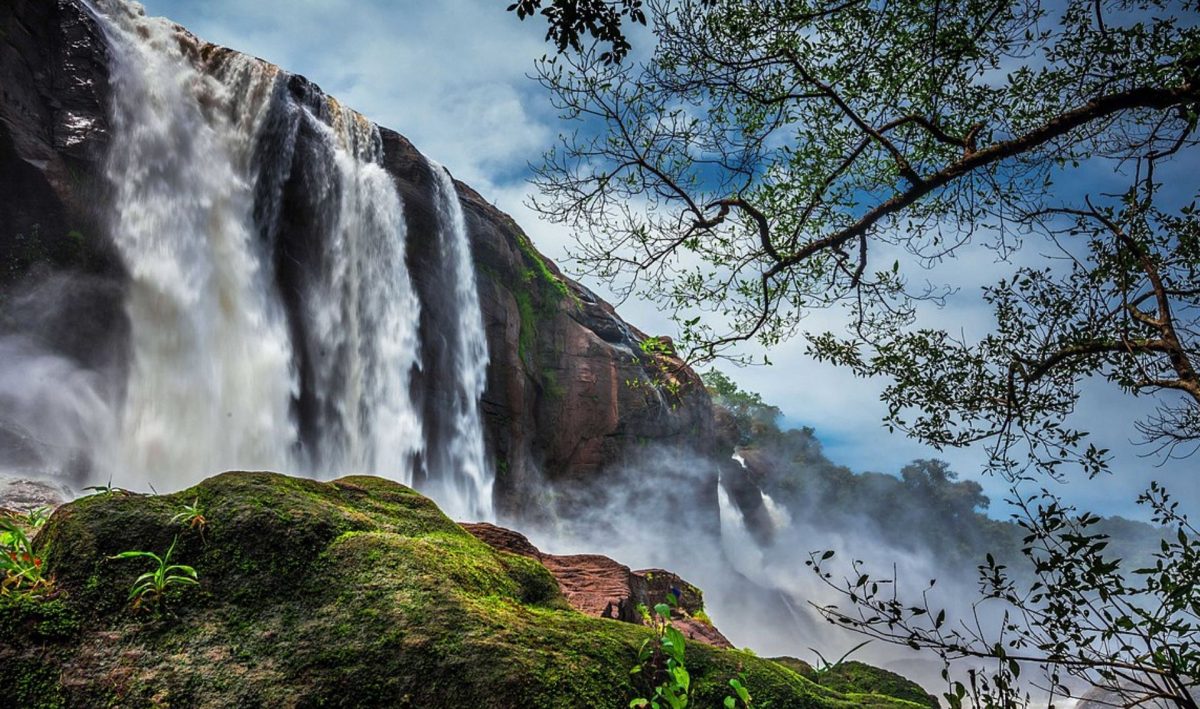
Athirapally waterfalls sits 60 km from Kerala's Thrissur district, dropping 80 feet from the Anamudi mountains of the Western Ghats. The falls lie about 1000 feet above sea level, and the water continues through the forests of Vazhachal, meets the Chalakkudy river, and finally mingles into the Arabian Sea. Visit just after the monsoon (September to February) for the strongest flow. The viewing platform is a short walk from the parking area, but the steps down to the base are steep and slippery when wet.
Connecticut's Leatherman Caves
The Leatherman Caves in Connecticut mark the shelter sites of a mysterious wanderer who, in the late 1800s, walked a 365-mile loop through Connecticut and New York. He always wore a suit made of leather, and he slept in these caves regardless of weather. The loop he followed is now a documented hiking route, and several of the caves are accessible via short side trails. The most visited cave is in the town of Kent, near the Macedonia Brook State Park trailhead. Bring a flashlight; the interiors are pitch black and the floors uneven.
What I Wish I Brought On My Grand Canyon Rafting Trip
For a Grand Canyon rafting trip, proper trip planning means packing for sun, cold water, and long days between resupplies. Bring a dry bag for every item, with a separate one for your sleeping bag. Quick-dry clothing is essential, but so is a warm fleece for the evenings on the river. A wide-brimmed hat and river sandals with straps protect you from both sun and sharp rocks. Waterproof sunscreen with at least SPF 50 is non-negotiable, and reapply after every splash. Also pack a headlamp with extra batteries, as the canyon walls block sunlight early in the day and late in the afternoon.
The Oregon Trail
Pioneers on the Oregon Trail did not follow a single road; they used secret wagon routes to avoid dangers or find better terrain. These lesser-known paths often provided safer, quicker journeys across rivers and through mountain gaps. One such alternate was the Lander Cutoff, which bypassed the difficult crossing of the Snake River. Another was the Meek Cutoff, which saved time but led to a harrowing descent through the Cascades. Today, you can drive sections of these routes on gravel roads, and the ruts from the wagon wheels are still visible in places like the National Historic Oregon Trail Interpretive Center near Baker City.
Appalachian Trail Monthly Hiking Secrets
The Appalachian Trail stretches over 2,190 miles from Georgia to Maine, and each month changes what you should expect on the trail. In April, the southern half is muddy but the wildflowers are out, while May brings the first serious bug pressure. June and July are the wettest months in the mid-Atlantic, so a reliable rain jacket is non-negotiable. August is prime time for the White Mountains, but also for afternoon thunderstorms that roll in by 2 p.m. September offers the clearest views in the north, with cooler nights and fewer crowds after Labor Day. October brings peak foliage in the southern half, but also the risk of early snow at higher elevations. Plan your start date around the month that matches your tolerance for heat, bugs, or cold.
