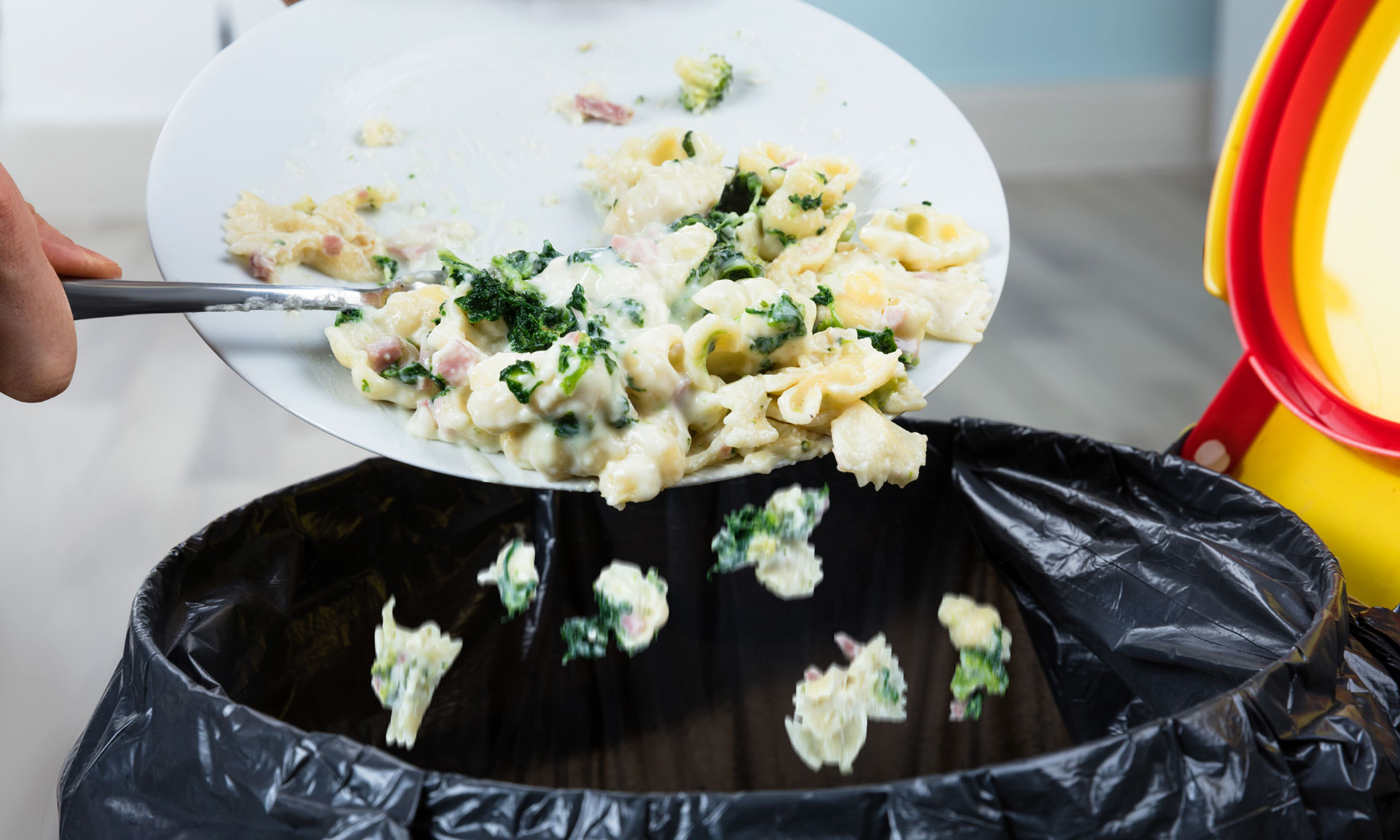
Most food waste on cruise ships is processed onboard using biodigesters or dehydrators, then discharged at sea in compliance with international regulations. The exception is waste generated in waters where dumping is restricted, which must be stored and offloaded for land-based disposal.
Impacts of Food Waste on Cruise Ships
The impacts of food waste on cruise ships extend beyond the environmental and economic ramifications. Let's delve into some of the key consequences of food waste accumulation:
Related travel guides: Where Do Cruise Ships Dump Food Waste.
- Environmental Impact: Improper disposal of food waste on cruise ships can contribute to greenhouse gas emissions and climate change. When food waste ends up in landfills, it decomposes and releases methane, a potent greenhouse gas that exacerbates global warming.
- Marine Ecosystems: Food waste that is not properly managed can find its way into the ocean, leading to water pollution and harming marine ecosystems. Nutrient-rich food waste can contribute to algal blooms, which disrupt marine life and harm coral reefs.
- Resource Loss: Food waste represents a significant loss of resources. Cruise ships operate on tight budgets, and the wastage of food means a loss of money, energy, and effort that went into its production, transportation, and storage.
- Public Perception: In an era where sustainability and responsible travel are increasingly valued, the public perception of cruise lines can be influenced by their food waste management practices. Passengers want to support eco-friendly companies, and a failure to address food waste can lead to reputational damage.
It is evident that the impacts of food waste extend beyond the confines of the ship itself. Cruise lines are aware of these effects and are taking steps to mitigate them through various food waste management practices. For example, when planning a trip, travelers might check which cruise terminal does Celebrity use in Fort Lauderdale to understand port operations, or ask how far is the cruise port from Fort Lauderdale attractions to minimize travel-related waste.
Food Waste Management Practices
Cruise lines have implemented several food waste management practices to address the challenges associated with food waste. These practices aim to reduce the amount of food waste generated, divert it from landfill, and promote sustainable resource utilization. Here are some key food waste management practices employed on cruise ships:
- Source Reduction: Cruise lines focus on preventing food waste at its source by implementing measures such as portion control, better menu planning, and staff training in proper food handling and storage techniques. These efforts help minimize overproduction and ensure that food is utilized efficiently.
- Farm-to-Ship Sourcing: Some cruise lines have adopted a farm-to-ship approach, partnering with local suppliers and farmers to source fresh produce directly. This reduces the likelihood of excess inventory and enables better control over the quality and quantity of food onboard.
- Smart Technology: The use of smart technology systems, such as computerized inventory management and waste tracking systems, allows cruise lines to monitor and analyze food consumption patterns. This data helps identify opportunities for improvement and increases operational efficiency.
- Educating Passengers: Cruise lines now actively educate passengers about the importance of minimizing food waste. Informational materials, signage, and onboard programs raise awareness and encourage passengers to make conscious choices regarding their food consumption.
- Donation Programs: Cruise lines may have policies to manage surplus food responsibly. Food that meets safety regulations may be managed according to onboard waste handling procedures.
- Efficient Food Storage and Handling: Proper training of staff in food storage and handling techniques helps reduce spoilage, preserve freshness, and extend the shelf life of perishable items. This ensures that food remains safe to consume for as long as possible.
- Waste Separation and Recycling: Cruise ships have implemented comprehensive waste separation systems that enable effective recycling and waste diversion. Food scraps, such as fruit peels, coffee grounds, and vegetable leftovers, are collected and processed through methods such as biodigesters or dehydrators.
By adopting these practices, cruise lines can significantly minimize the environmental impact associated with food waste and contribute to a more sustainable and responsible industry.
Onboard Food Waste Recycling
Onboard food waste recycling is a crucial component of sustainable food waste management on cruise ships. By recycling food waste, cruise lines can minimize their environmental impact and promote circular economy principles. Here's a closer look at how onboard food waste recycling is implemented:
1. Food Waste Sorting: Cruise ships have designated areas for guests and crew to separate food waste from other types of waste. This ensures that food waste is properly sorted and can be efficiently processed for recycling.
2. Composting: Composting is a common method employed to recycle food waste on cruise ships.
3. Anaerobic Digestion: Some cruise lines utilize biodigesters, which use microorganisms to break down food waste into a slurry or grey water.
4. Waste-to-Energy Conversion: In some cases, food waste can be incinerated onboard.
5. Onboard Farming: Some cruise ships may explore innovative ways to repurpose food waste.
6. Water Treatment: In certain cases, food waste can be processed through biodigesters and routed into the ship's wastewater system.
By implementing these recycling methods, cruise lines are able to reduce the amount of food waste sent to landfills and find valuable uses for organic matter, contributing to a more sustainable and resource-efficient cruise industry.
Composting and Onshore Disposal
Composting and onshore disposal play a vital role in managing food waste on cruise ships. These approaches help divert food waste from landfills and contribute to the sustainable handling of organic matter. Let's explore how composting and onshore disposal are implemented:
1. Onboard Composting: Many cruise ships have onboard biodigester systems that break down food waste into a slurry or grey water.
2. Offshore Composting: Some cruise lines may offload food waste in port for disposal on land. This ensures that the waste is properly handled and transformed into useful compost that can benefit local agriculture or landscaping projects.
3. Collaboration with Local Communities: Cruise lines are increasingly working with local communities and waste management organizations to facilitate proper disposal of food waste. This collaboration may involve utilizing existing municipal composting infrastructure or supporting community composting initiatives. By integrating with local waste management systems, cruise lines can ensure that food waste is handled appropriately and in accordance with local regulations.
4. Waste-to-Energy Facilities: In some cases, food waste may be offloaded in port for disposal on land. In some cases, food waste can be incinerated onboard.
5. Some cruise lines may have internal practices to minimize food waste among crew.
By implementing composting systems and collaborating with local communities, cruise lines can effectively manage food waste in a sustainable manner. These efforts contribute to minimizing the environmental impact of food waste and fostering positive relationships with local stakeholders.
Donation and Repurposing Initiatives
Donation and repurposing initiatives are essential components of sustainable food waste management on cruise ships. These initiatives aim to minimize waste by redirecting edible food to those in need and finding alternative uses for non-edible food items. Let's explore some common donation and repurposing practices implemented by cruise lines:
1. By participating in these programs, cruise lines can make a positive impact on local communities and reduce food waste.
2. This practice helps prevent food waste and fosters a sense of community among the crew. Any food that is not consumed by crew members can then be directed towards onboard donation initiatives or repurposing efforts.
3. Repurposing of Food Scraps: Cruise lines are finding innovative ways to repurpose food scraps that are not suitable for donation. For example, fruit and vegetable peels can be used to make natural cleaning solutions or infused water. Bread crusts and stale bread can be transformed into breadcrumbs or croutons. By repurposing these items, cruise lines are able to minimize waste and create additional value from their food resources.
4. Recycling of Packaging and Containers: In addition to food, cruise lines are taking steps to recycle packaging and containers. Plastic and metal packaging, glass bottles, and cardboard boxes are separated and sent for proper recycling. By diverting these materials from landfills, cruise lines contribute to reducing their overall environmental footprint.
5. Reusing Cooking Oil: Cruise ships manage used cooking oil through advanced systems that collect and store it for offloading at port facilities. Used cooking oil can be repurposed for various applications such as biodiesel production, which helps reduce dependency on fossil fuels and promotes a more sustainable energy source.
By implementing donation and repurposing initiatives, cruise lines can significantly reduce food waste and make a positive impact on both local communities and the environment. These practices contribute to the circular economy by ensuring that valuable resources are utilized to their fullest potential.
Regulatory Measures and International Guidelines
To address food waste on cruise ships, several regulatory measures and international guidelines encourage sustainable practices. Key measures include:
1. MARPOL Annex V: The International Convention for the Prevention of Pollution from Ships (MARPOL) Annex V regulates garbage disposal, including food waste. It prohibits disposal into the sea except in specific circumstances when the vessel is several miles from land and certain conditions are met.
2. ISO 14001: The International Organization for Standardization (ISO) provides guidelines for environmental management systems. Cruise lines are encouraged to implement ISO 14001 to manage food waste, establish procedures, monitor performance, and continuously improve waste management practices.
3. Sustainable Tourism Practices: Organizations like the Global Sustainable Tourism Council (GSTC) develop guidelines for sustainable tourism, including recommendations for food waste reduction and proper disposal. Cruise lines are encouraged to adhere to these guidelines.
4. International Waste Management Code: The International Maritime Organization (IMO) developed the International Waste Management Code (IMWC) to guide proper management and disposal of ship-generated waste, including food waste, helping cruise lines comply with international regulations.
5. Port Authority Regulations: Many port authorities require cruise ships to properly treat, dispose of, or repatriate their waste, including food waste. Port authorities may conduct inspections and audits to ensure compliance.
It is estimated that the average cruise ship generates a substantial amount of food waste per passenger each day. Some cruise ships may explore innovative ways to repurpose food waste. Cruise lines may have policies to manage surplus food responsibly.
By adhering to these measures, cruise lines can minimize the environmental impact of food waste and foster a positive image among travelers and environmental organizations.
Challenges and Limitations in Food Waste Management
While cruise lines are making efforts to manage food waste responsibly, they face several challenges and limitations in implementing effective food waste management practices. These challenges can hinder progress and impact the overall sustainability of the cruise industry. Here are some key challenges and limitations:
1. Volume and Variability: Cruise ships serve a large number of passengers with diverse dietary preferences, leading to significant volumes of food waste. The variability in passenger consumption patterns and food preferences adds complexity to waste management efforts, making it challenging to accurately predict and manage food waste quantities.
2. Limited Storage Space: Cruise ships have limited storage space onboard, which can make it difficult to handle and store large quantities of food waste for recycling or disposal. Limited storage capacity may result in more food waste being sent for disposal instead of being properly recycled or repurposed.
3. Technological Limitations: Some food waste management technologies, such as biodigesters or dehydrators, may require significant infrastructure investments and operational costs. These technological limitations can make it challenging for cruise lines to adopt advanced waste management practices across their fleet.
4. International Regulations: Cruise ships operate in various countries with different waste management regulations and requirements. Compliance with these regulations can be complex and challenging, particularly when navigating different waste disposal practices and ensuring adherence to international guidelines.
5. Contamination Concerns: Food waste can be contaminated with non-biodegradable materials, such as plastics or metals, which can complicate recycling or disposal efforts. Ensuring proper separation of food waste from other waste streams and educating passengers and crew about waste sorting practices is crucial to minimize contamination.
6. Cultural Considerations: Cruise lines cater to passengers from diverse cultural backgrounds, each with their own culinary preferences and traditions. Managing food waste in a way that respects cultural considerations and avoids the perception of wastefulness can be a challenge, requiring careful planning and communication.
7. Financial Implications: Implementing effective food waste management practices may require additional investments in infrastructure, equipment, and staff training. These financial implications can deter some cruise lines from fully committing to comprehensive waste management initiatives.
Despite these challenges and limitations, the cruise industry is actively exploring innovative solutions and partnerships to overcome these hurdles and improve food waste management practices. By addressing these limitations, cruise lines can further enhance their environmental performance and contribute to a more sustainable future.
Future Outlook and Sustainable Solutions
The future outlook for food waste management in the cruise industry is promising, as cruise lines continue to prioritize sustainability and environmental responsibility. Here are some key sustainable solutions and innovations that can shape the future of food waste management on cruise ships:
1. Advanced Waste Management Technologies: Technological advancements, such as biodigesters, dehydrators, and innovative waste-to-energy solutions, can enable more efficient food waste management.
2. Data Analytics and Predictive Modeling: Utilizing data analytics and predictive modeling can help cruise lines better understand passenger consumption patterns, food preferences, and waste generation. This information can enable more accurate forecasting and planning, leading to reduced food waste and improved resource utilization.
3. Collaboration and Partnerships: Cruise lines can collaborate with local communities, waste management organizations, and suppliers to enhance food waste reduction efforts.
4. Education and Awareness: Ongoing education and awareness initiatives can help passengers and crew members better understand the importance of reducing food waste and implementing responsible waste management practices.
5. Incentives and Recognition: Recognizing and incentivizing cruise lines that excel in food waste reduction and management can motivate the industry to strive for continuous improvement.
6. Circular Food Systems: Embracing circular food systems onboard cruise ships can help minimize food waste throughout the entire supply chain.
7. Policy and Regulation: Continued development and enforcement of international regulations and guidelines related to food waste management can provide a framework for cruise lines to follow and ensure industry-wide sustainable practices.
By embracing these future outlooks and sustainable solutions, the cruise industry can continue its journey towards more responsible food waste management.
Conclusion
Food waste management on cruise ships is a critical aspect of promoting sustainability and minimizing the environmental impact of the cruise industry. While challenges exist, cruise lines are taking proactive measures to reduce waste and implement responsible practices.
Advancements in waste management technologies and partnerships can further enhance food waste reduction. Ultimately, achieving sustainable food waste management requires a collective effort from cruise lines, passengers, crew members, and regulatory bodies.