

Visiting A Volcano In A Former War Zone
Introduction
Visiting a volcano in a former war zone is an experience that combines the awe-inspiring beauty of nature with the echoes of a tumultuous past. It is a unique opportunity to witness the raw power of the Earth and the resilience of the human spirit. The convergence of these two contrasting elements makes for a truly remarkable adventure.
In this article, we will delve into the enticing world of exploring volcanoes in former war zones. We will explore the fascinating history of these places, the safety measures that are put in place to protect visitors, and the preparations one needs to make before embarking on such a journey. Additionally, we will discuss the journey itself, the surrounding areas, and the thrilling phenomenon of witnessing a volcanic eruption.
While visiting a volcano in a former war zone poses certain risks and challenges, it is an experience that can be approached with proper planning and caution. By understanding the history and context of the location, as well as the safety measures in place, visitors can enjoy the unique opportunity to witness the powerful forces of nature.
So, join us as we embark on a thrilling expedition to the heart of a former war zone, where fire and destruction have given way to breathtaking beauty and a testament to the indomitable human spirit.
Understanding the Volcano’s History
Before venturing into a former war zone to visit a volcano, it is crucial to have a deep understanding of the volcano’s history. Often, these volcanoes are located in regions that have experienced turbulence and conflict in the past, leaving behind a rich tapestry of historical significance.
These volcanoes bear witness to the complex interplay between the earth’s geological forces and the human events that have shaped the region. They act as silent sentinels, standing as reminders of the past while still displaying their own natural power.
For many war zones, the volcanic activity predates the conflicts that have occurred in the area. The eruptions and geological movements have molded the landscape over centuries, shaping the terrain and providing the basis for fertile soil and unique ecosystems.
However, in some cases, the volcanic activity itself has played a role in the conflict. In regions where tensions have escalated, the unpredictability of volcanic eruptions may have added further challenges to the already volatile situation. The impact of these eruptions on both the physical and social landscape cannot be underestimated.
Understanding the volcano’s history is not only important for contextualizing the geological aspect but also for appreciating the resilience and determination of the local communities. The people living in these areas have often faced tremendous adversity, both natural and man-made, yet they have found ways to adapt and survive.
By learning about the volcano’s history, visitors can gain a deeper appreciation for the significance of the place they are about to explore. Whether it is the centuries-old eruptions that have shaped the landscape or the more recent conflicts that have left their mark, every aspect contributes to the overall narrative of the volcano in the former war zone.
Armed with this knowledge, visitors can approach their journey with a greater sense of respect and understanding, not only for the natural forces at play but also for the resilience and strength of the human communities that call these places home. It is a chance to connect with the past and witness the profound relationship between nature and history.
Assessing the Safety Measures
Visiting a volcano in a former war zone requires careful consideration of safety measures. While the allure of witnessing the primordial forces at play can be enticing, it is imperative to prioritize the well-being of both visitors and the local population.
Before embarking on such an adventure, it is crucial to thoroughly assess the safety measures that are in place. This includes understanding the expertise and capabilities of local authorities responsible for managing volcano-related risks. Are there trained professionals monitoring the volcano’s activity? Is there a well-established emergency response plan in case of an eruption or any other natural disaster?
In addition to governmental efforts, accredited tour operators with expertise in volcanic regions and war zones can offer valuable insight and guidance. These operators should have extensive knowledge of the area and adhere to strict safety protocols. It is essential to choose a reputable operator to ensure a safe and well-managed experience.
Moreover, understanding the specific risks associated with visiting a volcano in a former war zone is crucial. This includes assessing the potential for eruptions, volcanic gases, unstable ground, and other hazards that may be present. Local geological surveys or volcanic monitoring agencies can provide up-to-date information on volcanic activity and associated risks.
Another safety consideration is the availability of necessary safety equipment. Depending on the specific conditions of each volcano, visitors may need to have access to gas masks, helmets, and other protective gear. Understanding the equipment requirements and ensuring its availability is essential for a safe and enjoyable experience.
Finally, it is important to be mindful of any travel advisories or warnings issued by the relevant authorities. These advisories may include restrictions on certain areas or travel routes due to ongoing conflicts or heightened volcanic activity. Staying informed and heeding these warnings is essential for personal safety.
By thoroughly assessing the safety measures in place, visitors can make informed decisions when planning their journey. It is crucial to prioritize personal safety and be prepared for any potential risks that may arise. With the right precautions and preparation, visiting a volcano in a former war zone can be a breathtaking and rewarding experience.
Preparing for the Journey
Preparing for a journey to visit a volcano in a former war zone requires careful planning and attention to detail. The combination of natural hazards and the complexities of the war-torn region make proper preparation essential for a safe and enjoyable experience.
One of the first steps in preparing for the journey is conducting thorough research. This includes gathering information about the specific volcano, such as its location, accessibility, and any travel restrictions or advisories in place. Understanding the local culture, customs, and potential language barriers is also important, as it helps to navigate the region more effectively.
Next, it is crucial to pack appropriate gear and supplies. This may include sturdy hiking boots, protective clothing, and equipment like helmets and gas masks, depending on the specific conditions of the volcano and the former war zone. It is advisable to work with experienced tour operators or local guides to ensure you have the necessary equipment and supplies for a safe expedition.
Furthermore, it is important to have a well-stocked first aid kit that includes essentials such as bandages, antiseptic ointment, and medication for common ailments. It is also wise to carry extra food and water supplies, as these may not be readily available in remote locations.
Communicating with local authorities or tour operators prior to the journey is essential. Gathering information about permits, local regulations, and recommended routes ensures compliance and eliminates any potential legal issues. Additionally, these contacts can provide valuable insight into current conditions and advise on the best time to visit.
Lastly, it is crucial to inform trusted friends or family members about the journey, including the planned itinerary and emergency contact information. This ensures that someone is aware of your whereabouts and can offer assistance if needed.
Preparing for the journey involves a combination of education, packing appropriate gear, and communicating with local authorities. By taking these steps, visitors can ensure a smoother and safer experience when venturing into a former war zone to explore a volcano. It also allows for a deeper appreciation of the journey’s significance and the transformative power of nature.
Getting to the Former War Zone
Getting to a former war zone to visit a volcano requires careful consideration and planning, as the journey often involves navigating through regions that may still be affected by past conflicts and ongoing geopolitical issues. Here are some important factors to consider when making travel arrangements to reach your destination.
Firstly, it is crucial to research the available transportation options and assess their safety and reliability. This can include air travel, ground transportation, or a combination of both. Consider factors such as the condition of road infrastructure, availability of public transportation, and the reputation of local airlines or transportation providers.
It is also important to stay updated on any travel advisories or warnings issued by relevant authorities. These advisories may include information on restricted areas, potential security risks, or necessary precautions to take while traveling. Adhering to these advisories and staying informed about the local situation can help ensure a safer journey.
Working with experienced local tour operators or guides can be invaluable when navigating the logistics of traveling to a former war zone. These professionals can provide guidance on the safest and most efficient routes, as well as offer insights into the local culture and customs. They can also assist with obtaining necessary permits or arranging for transportation within the region.
Depending on the specific circumstances, it may be advisable to travel in a group or with a trusted companion. This can provide an added layer of security and support, especially in areas with limited infrastructure or communication networks.
Additionally, it is essential to have a contingency plan in place. This includes having backup accommodations, alternative transportation options, and emergency contact information readily available. It is important to be prepared for any unexpected situations that may arise during the journey.
Lastly, respecting the local culture, customs, and sensitivities is of utmost importance when visiting a former war zone. Demonstrating cultural sensitivity and adapting to local norms can help foster positive interactions with the local population and minimize any potential misunderstandings or issues.
By carefully considering transportation options, staying informed about travel advisories, working with local experts, and respecting the local culture, visitors can navigate the journey to a former war zone with greater confidence and safety. This sets the stage for a meaningful and incredible exploration of a volcano within the context of a complex and historically significant environment.
Exploring the Volcano’s Surroundings
Exploring the surroundings of a volcano in a former war zone offers a unique opportunity to witness the interplay between natural beauty and the remnants of past conflicts. These areas often boast stunning landscapes and intriguing remnants, making them a captivating destination for adventure seekers and history enthusiasts alike.
One of the highlights of exploring the volcano’s surroundings is the chance to witness the diverse ecosystems that have thrived in the wake of volcanic activity. Volcanic landscapes can be remarkably fertile, with rich soil and unique plant life. Beautiful forests, meadows, and even hot springs can emerge in these areas, offering a stark contrast to the destructive power of the volcano.
In addition to the natural beauty, exploring the surroundings allows visitors to gain insights into the history and cultural heritage of the region. Historical sites, ancient ruins, and abandoned structures stand as witnesses to the tumultuous past that has shaped the area. They offer a window into the lives of the people who lived there and the impact of the volcano’s activity on their communities.
Local communities, too, play a significant role in the exploration of the volcano’s surroundings. Engaging with the residents and learning about their experiences can deepen the understanding of the region’s history and resilience. It’s an opportunity to hear firsthand stories of how these communities have emerged from the ashes of conflict and found harmony with the natural world around them.
When exploring the volcano’s surroundings, it is important to adhere to designated trails and respect any restricted areas. This ensures the preservation of the delicate ecosystems and mitigates the risk of encountering potential hazards, such as unstable terrain or unexploded remnants of war.
Photography enthusiasts will undoubtedly find themselves captivated by the unique blend of natural and historical elements in the surroundings of the volcano. The juxtaposition of lush greenery against the backdrop of remnants, scarred landscapes, and the towering volcano itself provides ample opportunities for capturing breathtaking and evocative images.
Remember that exploring the volcano’s surroundings is not just about the physical experience but also about immersing oneself in the stories and narratives that have shaped the region. Taking the time to learn about the local culture, traditions, and the impacts of past conflicts can enrich the overall experience and foster a deeper connection with the place.
Ultimately, exploring the surroundings of a volcano in a former war zone offers an extraordinary opportunity to witness the power of nature and the resilience of the human spirit. It’s a chance to be in awe of the beauty that can emerge from destruction and to embrace the history and stories embedded in the landscape.
Witnessing the Eruption Phenomenon
One of the most captivating aspects of visiting a volcano in a former war zone is the opportunity to witness the eruption phenomenon firsthand. The sheer power and unpredictability of volcanic eruptions make it a truly awe-inspiring and humbling experience.
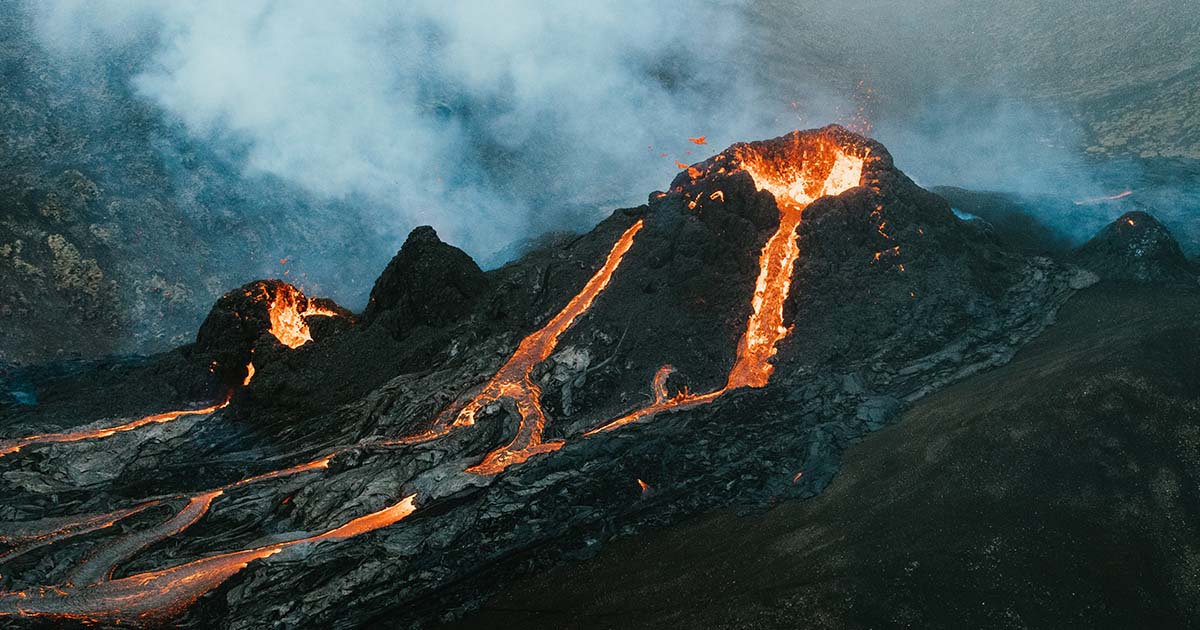
Observing a volcanic eruption allows visitors to witness nature’s raw power in action. The sight of molten lava spewing from the volcano, the sound of rumbling and explosions, and the heat radiating from the eruption site create an intense sensory experience, evoking a mix of fear and fascination.
While the prospect of witnessing an eruption is remarkable, it is crucial to prioritize safety. Volcanic eruptions can be dangerous and unpredictable, and it is essential to follow the guidance of local authorities and experienced guides. Understanding safe viewing distances, designated observation points, and emergency evacuation plans is paramount to ensure personal safety.
Depending on the size and activity of the volcano, visitors may witness various types of eruptions. From slow effusive eruptions that produce flows of lava to explosive eruptions that eject ash, rocks, and gases high into the sky, each eruption phenomenon offers a unique spectacle.
Photographing an eruption can be a thrilling endeavor for both professional and amateur photographers. Capturing the vibrant colors, the billowing plumes of smoke, and the dynamic movement of lava can result in stunning images that capture the raw energy of the volcano. It is important, however, to ensure proper safety precautions when photographing eruptions, such as using protective gear and maintaining a safe distance from the eruption site.
In addition to the visual spectacle, witnessing an eruption allows visitors to appreciate the significant role volcanoes have played in shaping the surrounding landscapes and ecosystems. Volcanic eruptions can create new land formations, reshape coastlines, and provide fertile soil for plant growth. It is a reminder of the constant evolution and transformation of our planet.
Experiencing an eruption also offers a profound connection to the past. Volcanic activity can leave behind layers of ash and rock that serve as a geological record of past eruptions. These layers, known as tephra, provide valuable insights into the history and timeline of the volcano’s eruptive activity.
Ultimately, witnessing a volcanic eruption in a former war zone is a rare privilege. It combines the extraordinary display of natural power with the reminder of the resilience of the human spirit. It offers a humbling perspective on our place in the world and the forces that have shaped it over millennia.
Volcano Tourism: Balancing Adventure and Risk
Volcano tourism in former war zones offers a unique blend of adventure and risk. It presents an opportunity to explore the explosive beauty of volcanoes while navigating through the remnants of past conflicts. However, finding the right balance between adventure and safety is crucial to ensure an enjoyable and responsible experience.
Adventure-seekers are drawn to volcano tourism for the chance to witness the raw power of nature up close. The adrenaline rush of hiking through rugged terrains, observing volcanic activity, and discovering the surrounding landscapes can create unforgettable memories. It offers a chance to connect with the Earth’s primal forces and experience the awe-inspiring beauty of volcanic formations.
However, it is essential to recognize and manage the risks associated with volcano tourism. Volcanoes are inherently unpredictable, and eruptions can pose significant dangers to visitors. It is vital to stay informed about the current activity levels, adhere to safety guidelines, and receive guidance from experienced tour operators or local authorities.
Educating oneself about the risks and safety protocols is paramount. Understanding the signs of volcanic activity, potential hazards, and evacuation procedures enables visitors to make informed decisions and respond appropriately in case of an emergency. Preparedness is key to ensuring personal safety and the safety of others.
Responsible volcano tourism also means respecting the ecological and cultural sensitivities of the region. It is crucial to tread lightly, staying on designated trails and minimizing any negative impacts on the fragile ecosystems. Additionally, respecting local customs and traditions contributes to the preservation of the cultural heritage of the area.
Engaging with local communities is another way to promote responsible volcano tourism. Learning about the experiences and perspectives of the people who call the region home can deepen the understanding of the intertwining relationship between volcanic landscapes and human existence. Supporting local businesses and respecting their way of life can create a positive impact on the community.
It is important to approach volcano tourism with a mindset of environmental stewardship. Volcanoes are not just natural wonders but also powerful reminders of the Earth’s fragility. Being mindful of our impact and advocating for sustainable practices can help preserve these awe-inspiring places for future generations.
Ultimately, volcano tourism offers an exhilarating adventure into the heart of nature’s ferocity. However, it is essential to balance the thrill of exploration with responsible and informed decision-making. By embracing safety measures, respecting the environment and cultures, and supporting local communities, visitors can experience the magnificence of volcanoes in a way that is both thrilling and socially responsible.
Conclusion
Visiting a volcano in a former war zone is a truly unique and unforgettable experience. It combines the awe-inspiring beauty of nature with the echoes of a tumultuous past. By understanding the volcano’s history, assessing safety measures, and preparing for the journey, visitors can embark on an adventure that balances both adventure and caution.
Exploring the surroundings of the volcano allows visitors to witness the interplay between natural beauty and historical remnants. It offers a chance to witness the remarkable resilience of both nature and the human spirit. From the diverse ecosystems that thrive in volcanic landscapes to the remnants of past conflicts, there is much to discover and appreciate.
Witnessing the eruption phenomenon is a highlight of visiting a volcano. It provides a humbling and captivating display of the Earth’s power, reminding us of our place in the grand scheme of things. However, safety should always be paramount, and visitors must respect the guidelines and recommendations of local authorities.
Engaging in responsible volcano tourism involves a conscious effort to minimize negative impacts on the environment and local communities. By embracing sustainable practices, respecting cultural sensitivities, and supporting local businesses, visitors can contribute to the preservation of these magnificent places.
In conclusion, visiting a volcano in a former war zone is a journey that combines adventure, history, and an appreciation for nature’s wonders. It offers a profound connection to our planet’s past and showcases the resilience of both the natural environment and the human spirit. While it is important to approach such an adventure with caution and respect, the rewards of witnessing the raw power of a volcano and exploring its surroundings are truly incomparable.
