

Part of our Sustainability guide.
Places and guides from our Sustainability coverage, gathered into one page.
Related travel guides: Where To Stay In Sustainability, Hidden Gems In Sustainability, What It Costs In Sustainability, How To Pack Your Travel Bag Like A Pro, How To Shoot Outdoor Video On A Smartphone, and How To Promote A Tourist Destination.
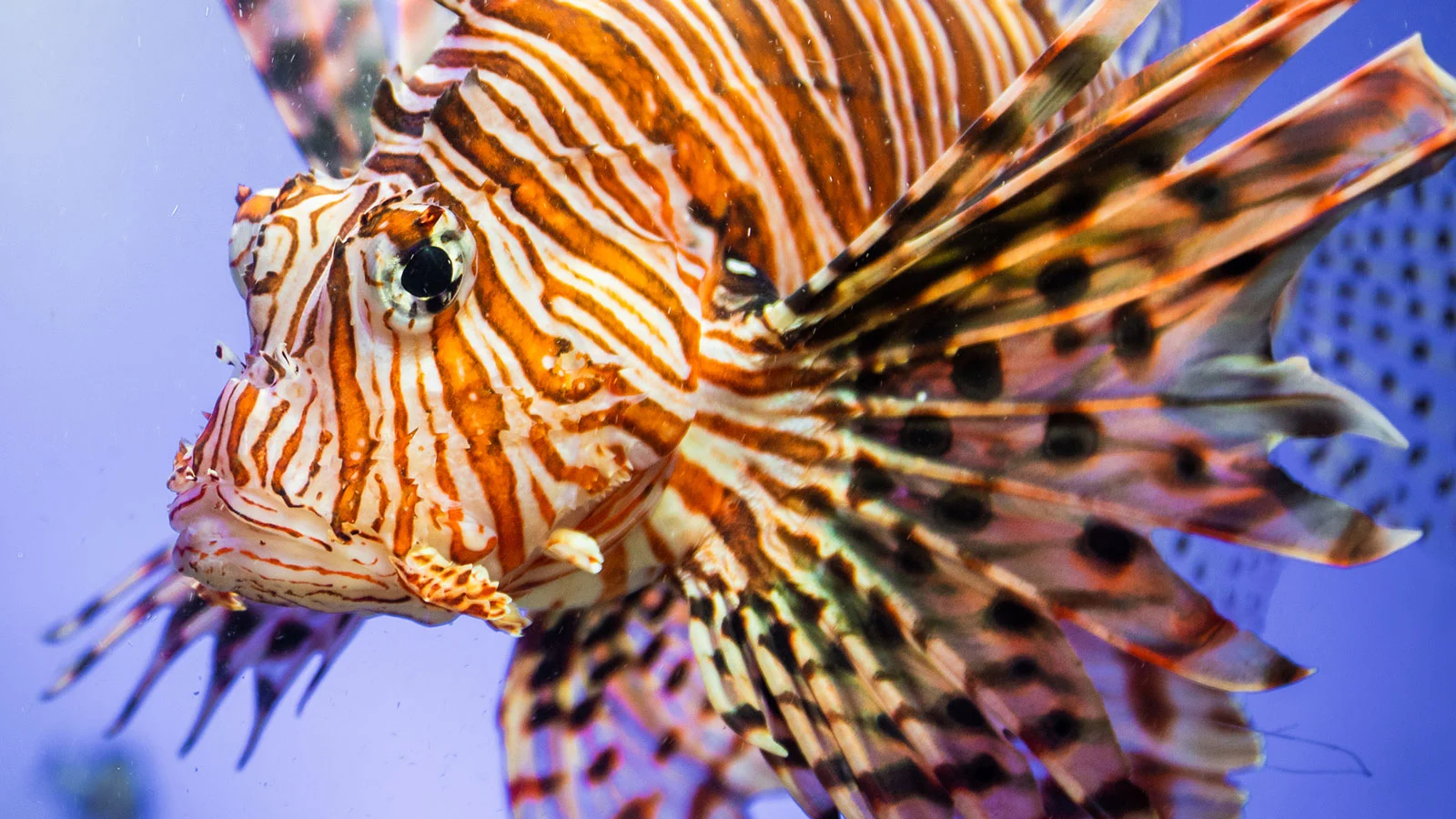
How Eating Lionfish Can Help Save The Planet
Eating lionfish helps control an invasive species that devastates marine ecosystems in the Atlantic Ocean and Caribbean Sea. Native to the Indo-Pacific region, lionfish have no natural predators outside their home waters, and their population explosion threatens coral reefs and native fish stocks. By adding lionfish to restaurant menus and home kitchens, diners create market demand that incentivises targeted fishing. This directly reduces the number of lionfish on the reef, giving native species a chance to recover. It also turns an ecological problem into a culinary opportunity, supporting local fishers and promoting a more resilient ocean ecosystem.
Food Waste Warriors
Food waste is a global issue that affects our environment, economy, and overall sustainability. Every year, billions of tons of food are wasted worldwide. Food waste refers to the disposal or wastage of edible food that could have been consumed, whether from households, restaurants, or the supply chain. It includes food lost during production, storage, transportation, and consumption. Reducing food waste cuts methane emissions from landfills, conserves water and energy used in production, and saves money for businesses and households. Some of the challenges associated with ecotourism include balancing visitor numbers with habitat protection, but tackling food waste is a direct action anyone can take. Restaurants can donate surplus food, compost scraps, and design menus that use every part of an ingredient. Households can plan meals, store food properly, and use leftovers creatively. These small shifts, when scaled, significantly lower the environmental footprint of our food system.
