

Part of our Sustainability guide.
Places and guides from our Sustainability coverage, gathered into one page.
Related travel guides: Where To Eat In Sustainability and Where To Stay In Sustainability.
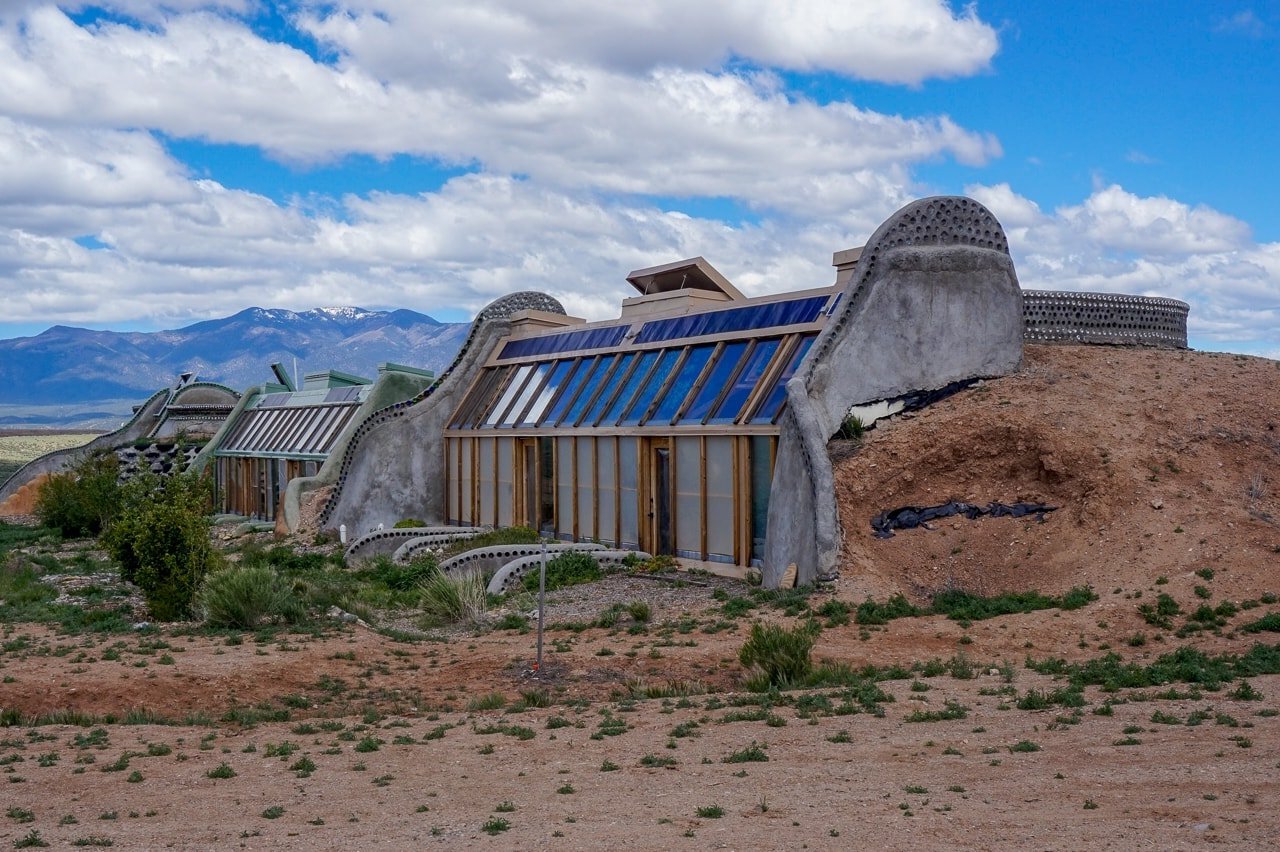
Taos' Secret Earthship Community For Off-Grid Living
Have you ever imagined living in a home made from recycled materials, powered by the sun, and surrounded by stunning desert landscapes? Welcome to a community in New Mexico. This unique place offers a glimpse into sustainable living. These homes are built using natural and upcycled materials. They harness renewable energy and grow food indoors. The community thrives on self-sufficiency and eco-friendly practices.
While the community itself is not a formal tourist destination, its design principles have influenced how travelers think about sustainable stays. Many visitors come to see the architectural innovation firsthand, and local guides offer tours that explain the construction methods and energy systems. The community’s approach to water harvesting and passive solar heating has been studied by architects worldwide. For those interested in how ecotourism is popular, this site demonstrates how a self-built settlement can become a living classroom. The homes use thermal mass to regulate temperature, reducing the need for external power. Residents collect and filter all water on-site, and indoor gardens provide fresh produce year-round. These systems are not just theoretical—they have been operating successfully for decades.
The community’s layout is designed to maximize southern exposure for passive solar gain, with thick walls that store heat during the day and release it at night. Wastewater is treated through botanical cells, where plants filter and clean the water for reuse. This closed-loop system means the community produces almost no waste. The buildings are arranged to create windbreaks and shared outdoor spaces, fostering a sense of collective stewardship. While the original Earthship concept was pioneered in the 1970s, this New Mexico location remains one of the most complete examples of the philosophy in action. Visitors can walk through completed homes and see the integration of recycled glass bottles, aluminum cans, and earth-packed tires into the structural walls. The aesthetic is both rustic and futuristic, with curved walls and colorful bottle ends catching the light.
Whispers In Wind Farms: Rural Energy Secrets
Have you ever wondered how wind farms work? These massive structures harness the power of the wind to generate electricity. Each wind turbine converts kinetic energy from the wind into electricity. This clean, renewable energy source helps reduce reliance on fossil fuels. Wind farms can be found in various locations. They play a crucial role in the push for sustainable energy.
Modern wind turbines are engineering marvels, with blades that can span longer than a football field. The tower height is carefully calculated to reach stronger, more consistent winds. Inside the nacelle, a gearbox increases the rotational speed of the generator, producing electricity that feeds directly into the grid. A single large turbine can power hundreds of homes for a year. The placement of turbines is determined by wind resource maps and environmental impact studies, ensuring minimal disruption to wildlife. Many wind farms also incorporate agricultural land use, allowing farming to continue between the towers. This dual-use model is one reason wind energy has expanded rapidly in recent decades. The technology continues to improve, with newer turbines generating more power at lower wind speeds.
For travelers, wind farms offer a tangible connection to the energy transition. Some sites have visitor centers with interactive exhibits explaining the science and economics of wind power. Others offer guided tours that take you inside a turbine base or up to the nacelle for panoramic views. The scale of these machines is difficult to appreciate from a distance—standing at the base, the whoosh of the blades is a constant reminder of the force being harnessed. Wind farms are also increasingly featured in sustainable travel itineraries, alongside solar installations and hydroelectric plants. They represent one of the most visible signs of a shift toward renewable infrastructure. As with any large-scale energy project, there are some of the challenges associated with ecotourism, including visual impact and noise concerns, but modern designs have mitigated many of these issues.
