Part of our Sustainability guide.
2 places and guides from our Sustainability coverage, gathered into one page.
Related travel guides: Unsustainable Tourism: Why Dual Pricing Is Unfair, Voluntourism: More Harm Than Good?, What It Costs In Sustainability, and Hidden Gems In Sustainability.
How To Help Stop Animal Abuse In The Tourism Industry
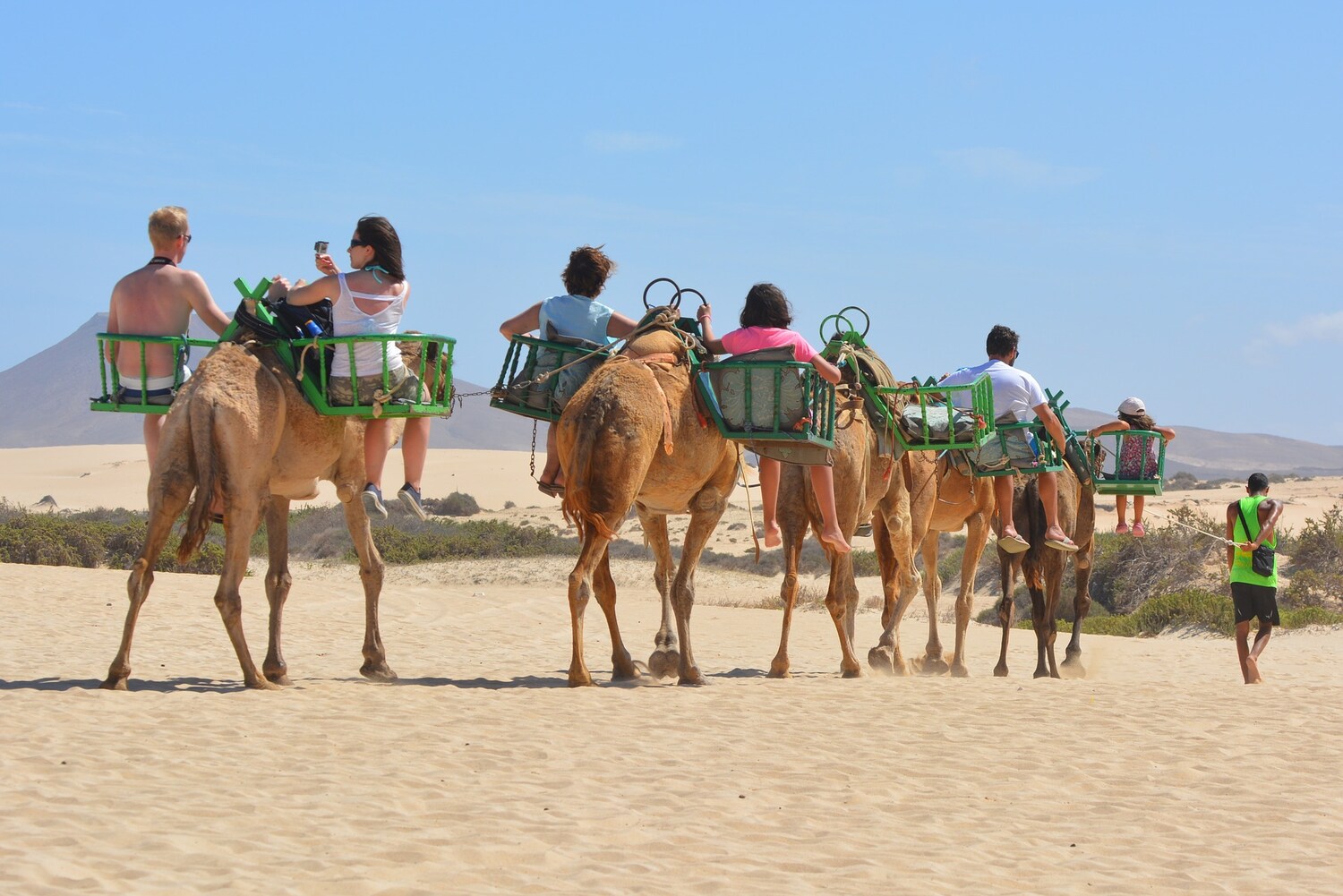
Animal abuse in the tourism industry refers to cruelty or mistreatment of animals for entertainment and financial gain. It encompasses deforestation for tourist attractions, capturing animals from the wild, subjecting them to harmful training, and forcing unnatural behaviors. From riding elephants and swimming with dolphins to visiting questionable zoos, many travelers unknowingly contribute to this exploitation. To help stop it, choose wildlife sanctuaries that prioritize rehabilitation over entertainment, avoid any attraction that offers direct contact with wild animals, and research operators that adhere to recognized welfare standards. Supporting venues where animals are observed in their natural habitats rather than in captivity is a direct step travelers can take. Because ecotourism is popular, demand for ethical wildlife experiences is growing, but travelers should remain aware that there are some of the challenges associated with ecotourism, including greenwashing by facilities that claim welfare credentials without meeting them.
A Reality Check On Carbon Offsets For Flights
Carbon offsets are compensation for emissions generated by activities such as flights. Air travel has a significant impact on greenhouse gas emissions, and offsets have emerged as a popular mitigation tool. However, offsets vary widely in quality. Some projects fund reforestation or renewable energy, while others may not deliver the promised reductions. To use offsets effectively, first reduce your flight emissions where possible—choose direct flights, fly economy, and consider trains for shorter routes. Then, purchase offsets from verified programs that adhere to standards such as the Gold Standard or Verified Carbon Standard. The most effective approach combines reducing travel frequency with high-quality offset purchases, rather than treating offsets as a license to fly without behavioral change. Understanding the limitations of offsets is key: they compensate for emissions but do not eliminate the need for systemic reductions in aviation’s carbon footprint.