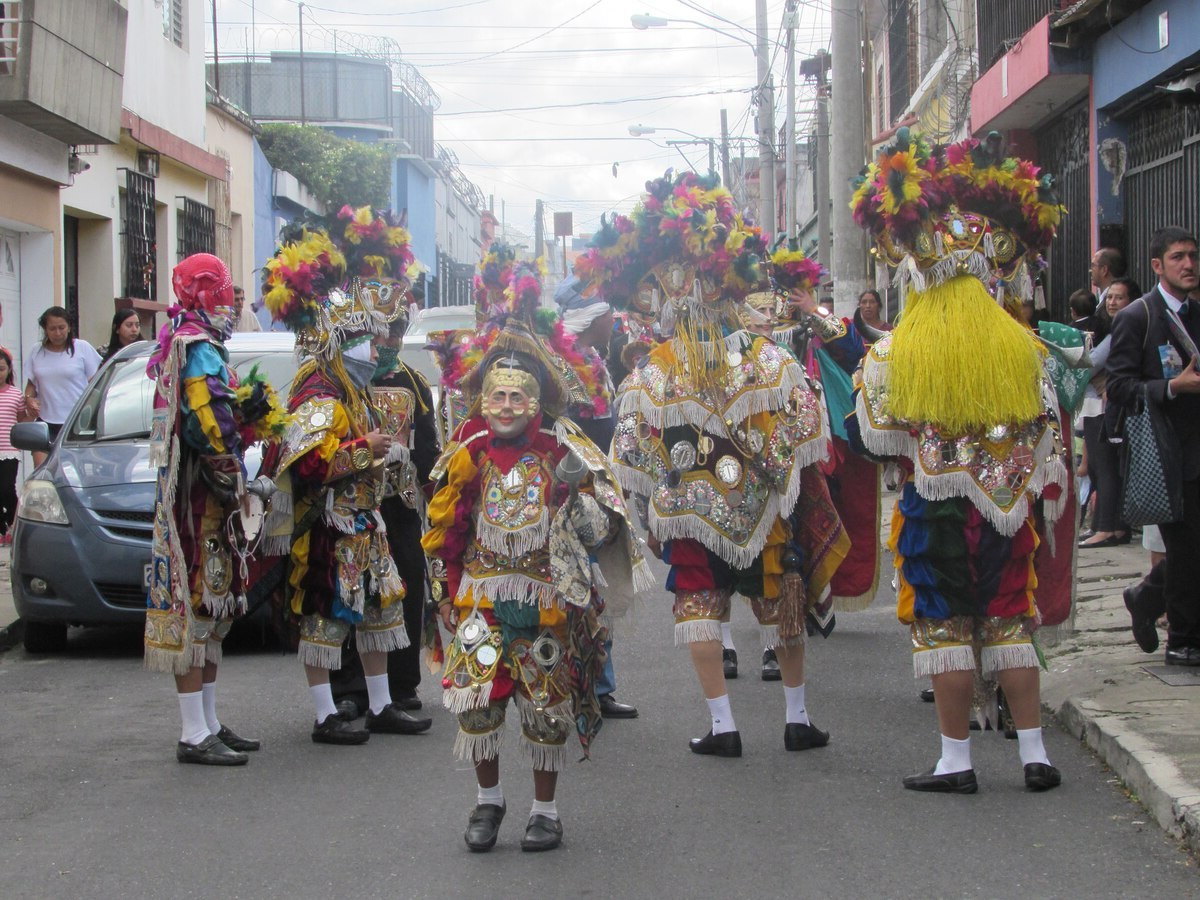
The Baile del Venado (Dance of the Deer) tells the story of a Maya deer hunt, while the Rabinal Achí is a pre-Columbian dance-drama recognized as a UNESCO Intangible Cultural Heritage of Humanity. These seven dances, from the solemn Baile del Cristo Negro to the festive Baile de los Toritos, each preserve a distinct thread of Guatemala’s heritage.
The Dance of the Deer
The Dance of the Deer, or “Baile del Venado,” is performed by the Maya people and blends ritual with storytelling.
Related travel guides: Hidden Gems Of Traditional German Folk Dances You’ve Never Heard Of.
- Baile del Venado: Dancers wear elaborate deer masks and costumes. The dance symbolizes the relationship between humans and nature, highlighting respect for wildlife.
The Dance of the Conquest
The Dance of the Conquest, or “Baile de la Conquista,” reenacts the Spanish conquest of Guatemala.
- Baile de la Conquista: Performers dress as Spanish conquistadors and indigenous warriors. The dance narrates the clash of cultures and the eventual subjugation of the Maya people.
The Dance of the Moors and Christians
The Dance of the Moors and Christians, or “Baile de Moros y Cristianos,” represents the battles between Moors and Christians during the Reconquista in Spain.
- Baile de Moros y Cristianos: This dance features elaborate costumes and masks. It symbolizes the struggle between good and evil, with the Christians ultimately triumphing.
The Dance of the Giants
The Dance of the Giants, or “Baile de los Gigantes,” is performed during festivals with giant puppets representing characters from Guatemalan folklore.
- Baile de los Gigantes: Giant puppets, often over 10 feet tall, are paraded through the streets. The dance is a celebration of Guatemalan culture and history.
The Dance of the Black Christ
The Dance of the Black Christ, or “Baile del Cristo Negro,” is a religious dance performed in honor of the Black Christ of Esquipulas. It is a significant part of the annual pilgrimage to the Basilica of Esquipulas.
- Baile del Cristo Negro: Devotees perform this dance as an act of faith and devotion. It is characterized by slow, solemn movements and accompanied by traditional music.
The Dance of the Rabinal Achí
The Dance of the Rabinal Achí is a pre-Columbian dance-drama that has been performed for centuries. This dance is a UNESCO Intangible Cultural Heritage of Humanity.
- Rabinal Achí: The dance tells the story of a conflict between two Maya groups. Performers wear traditional costumes and masks, and the dance is accompanied by ancient music and chants.
The Dance of the Toritos
The Dance of the Toritos, or “Baile de los Toritos,” celebrates the agricultural heritage of Guatemala and is performed during the Christmas season.
- Baile de los Toritos: Dancers wear bull masks and costumes. The dance symbolizes the importance of cattle in Guatemalan culture and celebrates the harvest season.
Celebrating Guatemala’s Rich Dance Heritage
These seven dances are among the fascinating cultural traditions still alive today in Guatemala. From the energetic Baile de la Conquista to the mystical Danza de los Moros y Cristianos, they are living traditions passed down through generations, keeping the past alive in the present. Experiencing these dances firsthand, whether at a local festival or a cultural event, provides a deeper understanding of Guatemala’s rich heritage. The colorful costumes, rhythmic music, and intricate movements captivate audiences, making each performance unforgettable. Next time you visit Guatemala, take the opportunity to witness these incredible folk dances. They are a testament to the country’s enduring cultural legacy and a celebration of its vibrant community spirit.