

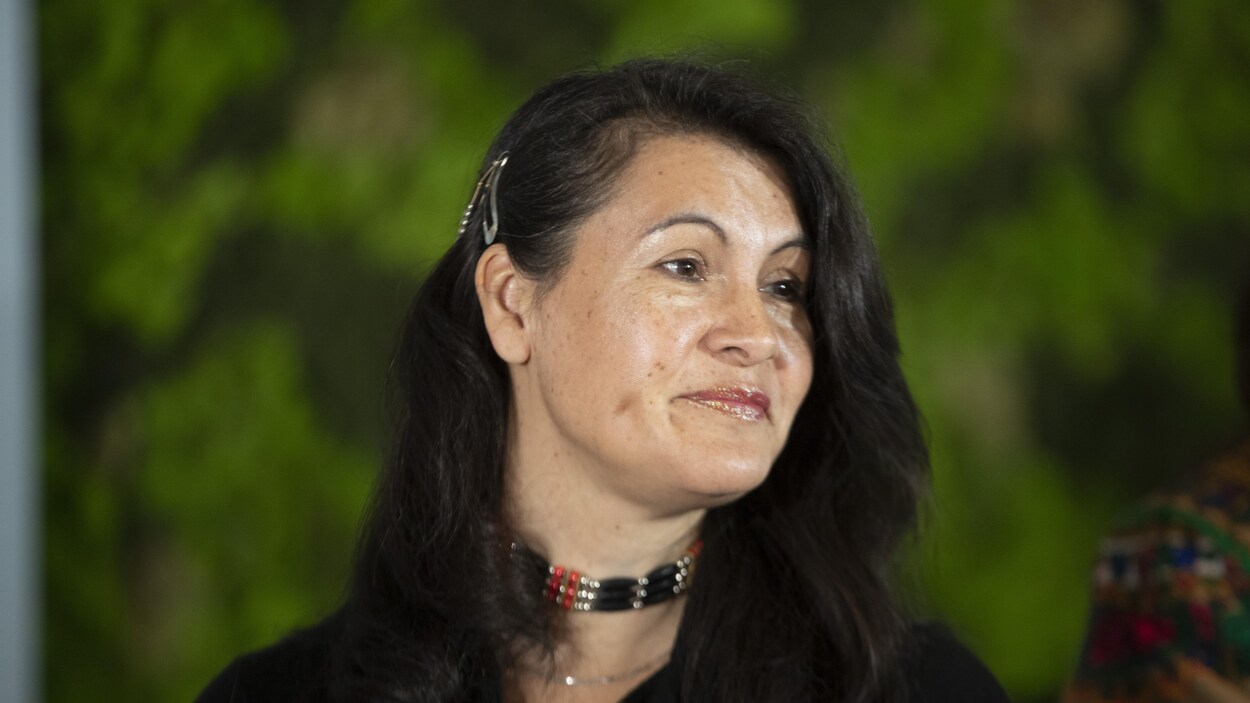
Nakuset survived the 60s Scoop in Montreal by being forcibly taken from her Indigenous family and adopted into a non-Indigenous home as a young child. The cost of that survival was a lifetime of disconnection from her roots, language, and culture—a loss she has since turned into a driving force for advocacy and healing in the very city where she was placed.
Background: The 60s Scoop
The 60s Scoop, also known as the Sixties Scoop, refers to a dark chapter in Canadian history that had profound and lasting impacts on Indigenous communities across the country. This period, spanning primarily from the 1960s to the 1980s, saw the forcible removal of thousands of Indigenous children from their families and communities, followed by placement in non-Indigenous homes or foster care.
The 60s Scoop was a continuation of the assimilation policies implemented by the Canadian government, which aimed to erase Indigenous cultures, languages, and traditions. The devastating consequences of this practice are still being felt by Indigenous communities today.
The primary justification for the 60s Scoop was that Indigenous children would have better opportunities and lives if raised in non-Indigenous households. They were often taken from their families under the guise of providing better education, health care, and socioeconomic opportunities.
However, this separation from their families, communities, and cultural heritage had a detrimental effect on the mental, emotional, and physical well-being of the affected children. Many experienced profound feelings of loss, identity crisis, disconnection from their roots, and the trauma of being forcibly removed from the love and support of their families.
The 60s Scoop, like the residential school system before it, aimed to assimilate Indigenous children into mainstream Canadian society. The government believed that by severing their ties to their Indigenous identity, they could eradicate Indigenous cultures and traditions within a single generation.
The detrimental impact of the 60s Scoop on Indigenous communities cannot be overstated. It further fractured families and communities already grappling with the legacy of colonization, dispossessions, and cultural genocide. The loss of language, cultural knowledge, and traditional teachings has had far-reaching consequences, leaving a void that many Indigenous communities are still working to fill.
It is important to acknowledge that the 60s Scoop disproportionately affected Indigenous peoples, exacerbating intergenerational trauma and perpetuating cycles of colonization. The practice further eroded trust between Indigenous communities and government institutions, deepening existing historical injustices and inequalities.
While the 60s Scoop remains a devastating chapter in Canadian history, it also serves as a catalyst for action and resilience within Indigenous communities. As a young child, Nakuset was ripped away from her Indigenous roots and adopted into a non-Indigenous family in Montreal. Survivors like Nakuset have taken it upon themselves to raise awareness, seek justice, and promote healing and recovery for those affected by this traumatic period.
In the following sections, we will delve into the experiences of Nakuset as a survivor of the 60s Scoop, her journey towards healing and resilience, and the advocacy and community work she has undertaken in Montreal. For those exploring the city, her story adds a profound layer to any Montreal travel guide, reminding visitors of the deep history beneath the surface.
Life before the 60s Scoop
Before the 60s Scoop, Indigenous communities in Montreal and across Canada had vibrant ways of life connected to their land, culture, and traditions. Their lives were shaped by kinship, spirituality, and respect for the natural environment.
Indigenous communities in the Montreal area, such as the Kanien’kehá:ka (Mohawk), held a deep spiritual connection to the land, viewing it as sacred and interwoven with their identity. Traditional teachings were passed down through oral histories, ceremonies, and cultural practices, preserving knowledge for younger generations.
Family was central, with kinship networks extending beyond immediate blood relations. Elders held positions of respect and wisdom, passing down ancestral knowledge. Children were seen as gifts from the Creator and raised with love and belonging.
Education was rooted in experiential learning, where children learned through observation, participation, and storytelling. Traditional skills, knowledge of plants and animals, and hunting practices were imparted across generations, ensuring self-sufficiency and cultural preservation.
The cultural fabric included social gatherings, powwows, and ceremonies celebrating histories, spirituality, and artistic practices. Music, storytelling, dance, and visual arts were integral to Indigenous expression, maintaining a connection to ancestral heritage. For visitors exploring the city today, these traditions remain part of the hidden gems in Montreal that reveal the depth of Indigenous culture.
Languages such as Kanien’kéha (Mohawk) were vital for communication and cultural expression, carrying a unique worldview and grounding identity. Language served as a bridge to ancestors and traditional territories.
Despite challenges from colonization, Indigenous communities maintained their cultural practices, connection to the land, and close-knit communities. The arrival of European colonizers brought land dispossession, colonial systems, and suppression of Indigenous cultures, eroding traditional lifestyles.
The 60s Scoop forcibly separated Indigenous children from their families to assimilate them into non-Indigenous culture. The loss of language, cultural practices, and traditional teachings had profound impacts still being addressed today.
In the following sections, we will explore Nakuset's personal experience as a survivor of the 60s Scoop, her path towards healing, and her advocacy work in Montreal.
The Impact of the 60s Scoop on Indigenous Communities
The 60s Scoop was a devastating period for Indigenous communities across Canada, including those in Montreal. The forcible removal of thousands of Indigenous children from their families had profound and lasting impacts on their lives, as well as on the broader social fabric and cultural identity of Indigenous communities.
The immediate impact of the 60s Scoop was the loss of connection to family, kinship networks, and community. Many Indigenous children were abruptly separated from their parents, siblings, and extended family members, resulting in a profound sense of loss, grief, and trauma. This separation disrupted the intergenerational transmission of cultural knowledge, language, and traditional teachings.
For Indigenous communities, children are considered the heart and future of the community. The removal of children through the 60s Scoop caused a significant disruption in community cohesion and vitality. Traditional roles, including the passing down of cultural knowledge, were disrupted, which disrupted the balance and well-being of Indigenous communities. This loss of cultural continuity had severe consequences for the preservation of Indigenous languages, cultural practices, and traditional governance systems.
The loss of cultural identity was another significant impact of the 60s Scoop. Indigenous children who were sent to non-Indigenous homes or foster care often faced pressure to assimilate into mainstream Canadian society. As a result, they were often stripped of their Indigenous names, forbidden from speaking their ancestral languages, and disconnected from their cultural heritage. This loss of cultural identity led to a profound identity crisis, with many Indigenous individuals struggling to find their place and sense of belonging.
The trauma experienced by those who were forcibly removed from their families and communities cannot be overstated. The abrupt separation, combined with the loss of connection to cultural and spiritual practices, led to deep emotional wounds that have affected individuals throughout their lives. Many survivors of the 60s Scoop have described feelings of abandonment, rejection, and a deep longing to reconnect with their Indigenous roots.
The intergenerational impacts of the 60s Scoop have also been significant. The trauma experienced by the survivors was passed down to their children and grandchildren, manifesting as complex issues such as substance abuse, mental health challenges, and intergenerational trauma. The loss of cultural knowledge and disconnection from traditional teachings made it difficult for subsequent generations to reclaim their cultural identity and fully understand their place within Indigenous communities.
The 60s Scoop also had a severe impact on the relationship between Indigenous communities and government institutions. The loss of trust and the ongoing legacy of colonization have further perpetuated cycles of marginalization and systemic discrimination against Indigenous peoples. The effects of the 60s Scoop are deeply intertwined with other historical injustices, such as the residential school system and the forced relocation of Indigenous communities.
Despite the profound impacts of the 60s Scoop, Indigenous communities and individuals have shown remarkable resilience and strength in the face of adversity. They have been working tirelessly to recover their cultural identity, support survivors, and seek justice and healing mechanisms.
For those visiting the city, a Montreal travel guide can help you discover the cultural landmarks and community spaces where this history is honored.
Nakuset's Experience as a Survivor of the 60s Scoop
Nakuset, a survivor of the 60s Scoop, has dedicated her life to raising awareness about this dark chapter in Canadian history. Her personal experience reflects the struggles faced by many Indigenous children who were forcibly taken from their families and communities.
The sudden separation from her family and the loss of connection to her culture had a profound impact on her sense of self and belonging. Nakuset experienced the trauma of being uprooted from her cultural identity, language, and traditions.
Like many survivors, Nakuset struggled with an identity crisis throughout her formative years. She yearned to understand and connect with her Indigenous heritage, but faced the challenges of growing up in a non-Indigenous environment, far removed from her cultural roots. For travelers seeking to understand this context, a Montreal travel guide often highlights the city’s diverse neighborhoods, though few reveal the hidden gems in Montreal that hold Indigenous history and community spaces.
Despite the immense challenges, Nakuset displayed remarkable resilience and determination to reclaim her identity. As she grew older, she embarked on a personal journey of self-discovery, exploring her Indigenous heritage and reconnecting with her Indigenous community in Montreal.
Nakuset’s journey of healing led her to engage with other survivors of the 60s Scoop and advocate for their rights. She helped create safe spaces for survivors to share their stories and find support, fostering a sense of community for those who had experienced similar traumas.
In sharing her own experience, Nakuset shed light on the ongoing struggles faced by Indigenous individuals affected by the 60s Scoop. Her courage in speaking out about the emotional and psychological toll of forced separation resonated with many survivors, encouraging them to confront their own pain and begin healing.
Through her advocacy work, Nakuset strives to raise awareness about the lasting impacts of the 60s Scoop on Indigenous communities. She is dedicated to promoting understanding, empathy, and action to address the historical injustice perpetrated against Indigenous children and their families.
Despite the pain and trauma she endured, Nakuset has emerged as a powerful advocate for Indigenous rights and healing. Her personal journey serves as a beacon of hope for other survivors, inspiring them to reclaim their cultural identity, heal from past wounds, and strengthen the ties that bind Indigenous communities together.
As we continue to explore Nakuset’s story, we will delve deeper into her path towards healing and resilience, and the impactful advocacy and community work she has undertaken in Montreal.
Nakuset's Journey to Healing and Resilience
Nakuset's journey as a survivor of the 60s Scoop has been one of resilience, healing, and transformation. Despite these immense challenges, she embarked on a path towards reclaiming her Indigenous identity, finding healing, and becoming a source of inspiration for others.
Over the years, Nakuset tirelessly pursued her personal healing journey, seeking to reconnect with her cultural roots. She engaged in cultural activities, traditional ceremonies, and language revitalization programs, immersing herself in the knowledge and teachings of her ancestors.
Through this journey, Nakuset found solace and strength within her Indigenous community in Montreal. This sense of belonging and support helped her heal from the wounds of the 60s Scoop and provided a foundation for her powerful advocacy and community work. Her experience inspired her to advocate for the rights and well-being of other Indigenous individuals affected by the 60s Scoop. She worked tirelessly to raise awareness about the historical injustices faced by Indigenous communities and pushed for recognition of the trauma inflicted upon survivors.
In her advocacy role, Nakuset emphasized the importance of cultural revitalization, language preservation, and the right to self-determination for Indigenous peoples. She recognized that healing and resilience come from reconnecting with cultural practices, reclaiming Indigenous identities, and rebuilding strong foundations within Indigenous communities.
Through her organization, the Native Women's Shelter of Montreal, Nakuset provided a safe space for Indigenous women and their children, creating a supportive environment where they could heal and rebuild their lives. She worked to address the complex needs of Indigenous individuals affected by the 60s Scoop, offering support, resources, and advocacy. Additionally, Nakuset played a vital role in advocating for changes in policies and practices that affect Indigenous communities, actively working towards implementing trauma-informed approaches in social services and child welfare systems.
Through her unwavering dedication and resilience, Nakuset has become a role model and an inspiration to many Indigenous individuals who have experienced similar traumas. Her journey to healing and self-discovery serves as a beacon of hope, reminding others that it is possible to overcome the pain and challenges of the past. Her determination to confront the injustices faced by Indigenous communities is a testament to her strength and commitment to creating a better future for Indigenous peoples. Her work continues to promote healing, resilience, and empowerment among Indigenous individuals and communities in Montreal and beyond, including through efforts that highlight the city's hidden gems in Montreal of cultural strength and community support.
Nakuset's Advocacy and Community Work in Montreal
Nakuset has emerged as a powerful advocate and community leader in Montreal, dedicating her life to supporting Indigenous individuals, raising awareness about the impacts of the 60s Scoop, and working towards a more just and equitable society.
Through her organization, the Native Women's Shelter of Montreal, Nakuset has provided essential support and resources to Indigenous women and their children in need. The shelter has become a safe haven for those seeking refuge from domestic violence, homelessness, and other challenging circumstances. Nakuset's compassionate leadership has created a nurturing environment that empowers women to heal, rebuild their lives, and reclaim their independence.
Recognizing the importance of addressing the unique needs of Indigenous people affected by the 60s Scoop, Nakuset has been instrumental in advocating for changes in policies and practices within the child welfare system. She has been a vocal advocate for the recognition and implementation of trauma-informed approaches that prioritize cultural preservation and the well-being of Indigenous children and families.
Nakuset's advocacy extends beyond the Indigenous community. She actively engages with various institutions, government bodies, and educational organizations to educate and raise awareness about the cultural, historical, and social issues faced by Indigenous peoples. Her goal is to dismantle stereotypes, challenge colonial narratives, and foster greater understanding and empathy.
As part of her advocacy efforts, Nakuset has been a compelling speaker and storyteller, sharing her personal experiences and insights to shed light on the struggles endured by survivors of the 60s Scoop. Her powerful voice has reached audiences in Montreal and beyond, sparking meaningful conversations and inspiring individuals to take action in support of Indigenous rights and healing.
Nakuset's impact on Montreal's Indigenous community extends to her work in promoting cultural revitalization and Indigenous language preservation. Recognizing the importance of language as a vessel for cultural transmission, she has actively supported language revitalization initiatives and programs. Her efforts have contributed to the preservation and revitalization of Indigenous languages within the Montreal community.
Additionally, Nakuset has been actively involved in initiatives aiming to address systemic barriers and promote equity for Indigenous individuals. She has worked to create partnerships and collaborations with non-profit organizations, educational institutions, and government agencies to develop culturally appropriate programs and services that address the unique needs of Indigenous communities.
Through her advocacy and community work, Nakuset has become an influential and respected figure in Montreal's Indigenous community. Her dedication to promoting healing, resilience, and self-determination has made a lasting impact on the lives of many Indigenous individuals and families.
Nakuset's work serves as a reminder of the importance of centering Indigenous voices, experiences, and knowledge in efforts for reconciliation and social justice. Her tireless advocacy and community work contribute to creating a more inclusive and equitable society where Indigenous peoples are recognized, respected, and empowered.
Conclusion
Nakuset's story is a powerful testament to the strength, resilience, and determination of Indigenous individuals and communities in the face of immense adversity. As a survivor of the 60s Scoop, she has embarked on a journey of healing, self-discovery, and advocacy that has had a profound impact on Montreal and beyond.
The 60s Scoop had devastating effects on Indigenous communities, causing a loss of cultural identity, trauma, and disconnection. However, she has defied the odds by reclaiming her Indigenous identity and becoming a powerful advocate for healing and justice.
Through her advocacy and community work, Nakuset has played a vital role in raising awareness about the impacts of the 60s Scoop, supporting survivors, and working towards creating a more equitable society. As the executive director of the Native Women's Shelter of Montreal, she has provided invaluable support and resources to Indigenous women and their children, creating a safe haven for healing and empowerment.
Nakuset's efforts extend beyond the shelter, as she actively engages with institutions, organizations, and individuals to educate and raise awareness about Indigenous culture, history, and the ongoing struggles faced by Indigenous peoples. Her advocacy has contributed to changes in policies and practices within the child welfare system, calling for trauma-informed approaches and prioritizing the well-being of Indigenous children and families.
Furthermore, Nakuset has been a catalyst in promoting cultural revitalization and language preservation, recognizing their importance in reclaiming and preserving Indigenous identities. Her dedication to fostering understanding, empathy, and reconciliation has sparked meaningful conversations and inspired individuals to take action towards Indigenous rights and healing.
Overall, Nakuset's journey and advocacy serve as an inspiration to both Indigenous and non-Indigenous individuals. Her unwavering commitment to healing, resilience, and community empowerment has left an indelible mark on Montreal's Indigenous community and beyond. For visitors seeking to understand this city more deeply, exploring the hidden gems in Montreal often leads to encounters with the vibrant Indigenous cultures that Nakuset champions.
As we reflect on Nakuset's story, we are reminded of the significance of acknowledging the historical injustices faced by Indigenous peoples and working towards reconciliation. Through education, advocacy, and support, we can strive to create a society that upholds and respects the rights, cultures, and traditions of Indigenous communities.
Nakuset's legacy is one of strength, hope, and a steadfast commitment to creating a better future for Indigenous peoples. Her story serves as a reminder of the importance of listening to and uplifting Indigenous voices, and the transformative power that comes from harnessing resilience and reclaiming cultural identities.
Related travel guides: Secrets Of Montreal’s Underground City And How To Explore It.
