

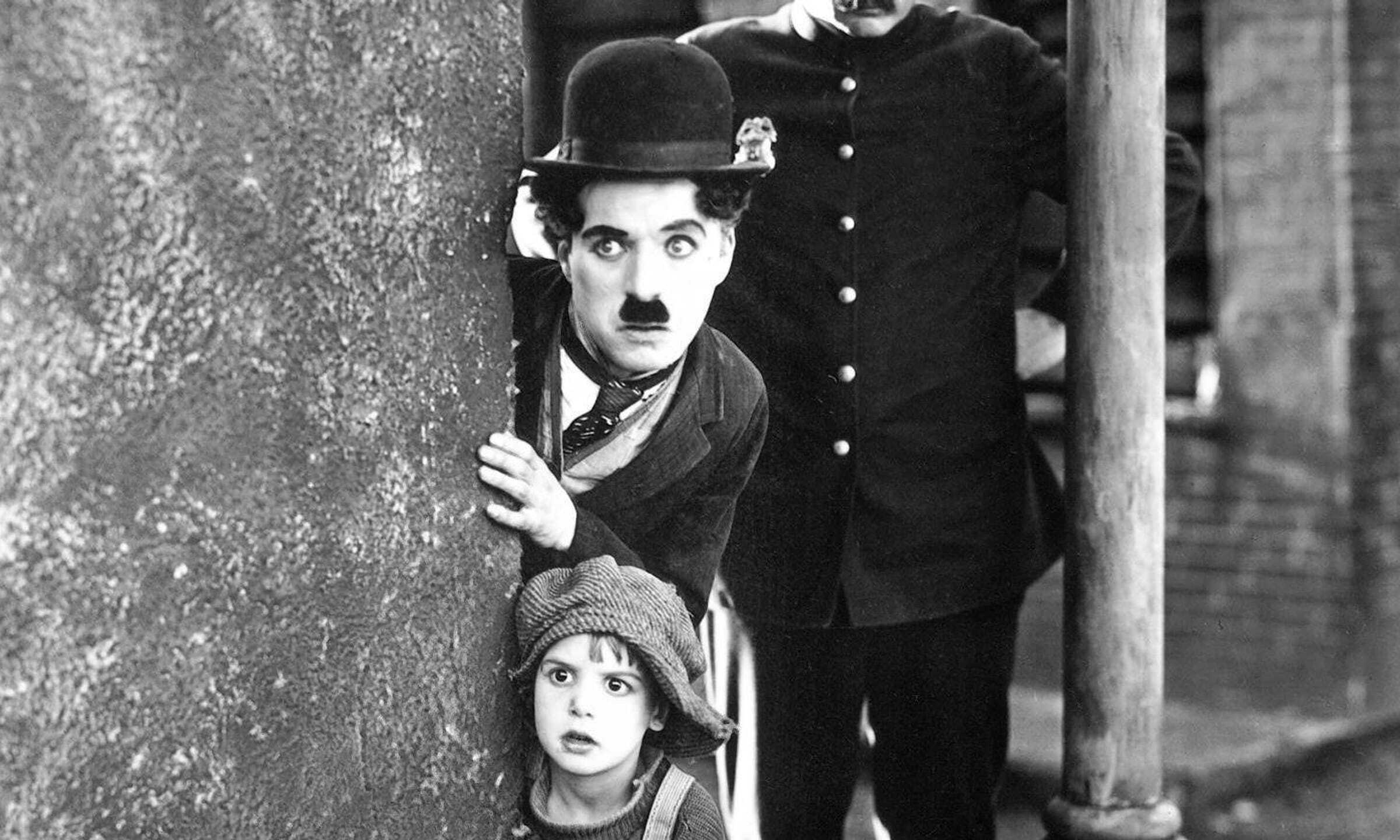
Charlie Chaplin received an honorary Oscar in 1972 after two decades of exile from the United States, and the standing ovation he received lasted five minutes—described as the longest in Oscar history. His life spanned music hall stages in Victorian London, the silent film era, and a knighthood from Queen Elizabeth II in 1975.
Early Life and Career
Chaplin was born in London in 1889 to a family struggling with poverty. His father abandoned them, and his mother was frequently institutionalized, leaving young Charlie to fend for himself. At just five years old, he made his first stage appearance, singing a popular song of the time and impressing the audience with his natural talent.
Before becoming a film star, Chaplin joined a dance troupe called "The Eight Lancashire Lads." This experience honed his performance skills and introduced him to the world of entertainment. In 1913, he signed with Keystone Studios, marking the beginning of his film career. His first film, "Making a Living," was released in 1914.
Iconic Character: The Tramp
Chaplin created The Tramp character on the fly for the 1914 film "Kid Auto Races at Venice." The character's look was a mix of borrowed costume pieces. The Tramp became a symbol of the underdog, resonating with audiences worldwide. His misadventures and resilience made him a beloved figure, and the character remains one of the most recognizable in cinema history.
Behind the Camera
Chaplin directed most of his films, showcasing his multifaceted talent. His directorial debut was "Caught in the Rain" in 1914. He pioneered innovative filmmaking techniques, including the use of close-ups and sophisticated editing. His attention to detail set new standards in the industry, and his work behind the camera was as influential as his performances in front of it.
Personal Life
Chaplin married four times, with his last marriage to Oona O'Neill lasting until his death. His relationships often made headlines. In 1952, Chaplin was exiled from the United States due to his political views. He settled in Switzerland, where he lived until his death. The exile came after years of political controversy, and he did not return to the U.S. until the 1972 Oscar ceremony.
Legacy and Impact
In 1972, Chaplin received an honorary Oscar for his contributions to the film industry. The standing ovation he received lasted five minutes, described as the longest in Oscar history. Chaplin's work inspired countless filmmakers and actors. His unique blend of comedy and pathos continues to influence modern cinema, and his films remain a touchstone for anyone studying the art of visual storytelling.
Fun Facts
Chaplin once entered a Chaplin look-alike contest and lost. He didn't even make it to the finals, much to his amusement. He composed music for many of his films, including the famous "Smile" from "Modern Times." His musical talent added another layer to his genius. In 1975, Chaplin was knighted by Queen Elizabeth II, becoming Sir Charles Spencer Chaplin. This honor recognized his immense contributions to the arts.
Charlie Chaplin's Enduring Legacy
Chaplin's impact on cinema and popular culture remains unmatched. His timeless films and unique style continue to inspire filmmakers and audiences alike. From his humble beginnings to becoming a global icon, Chaplin's journey is a testament to his talent and resilience.
His ability to blend comedy with social commentary made his work both entertaining and thought-provoking. Even today, his characters and stories resonate with people of all ages. Chaplin's influence extends beyond the screen, shaping the way we understand and appreciate silent films. His dedication to his craft and his innovative approach to storytelling have left an indelible mark on the film industry.
Remembering these fascinating facts about Charlie Chaplin helps us appreciate the genius behind the legend. His legacy will undoubtedly continue to captivate future generations.
Related travel guides: Surprising Celebrities With Armenian Roots You Never Expected and The True Identity Of Alexander The Great: Greek Or Macedonian?.
