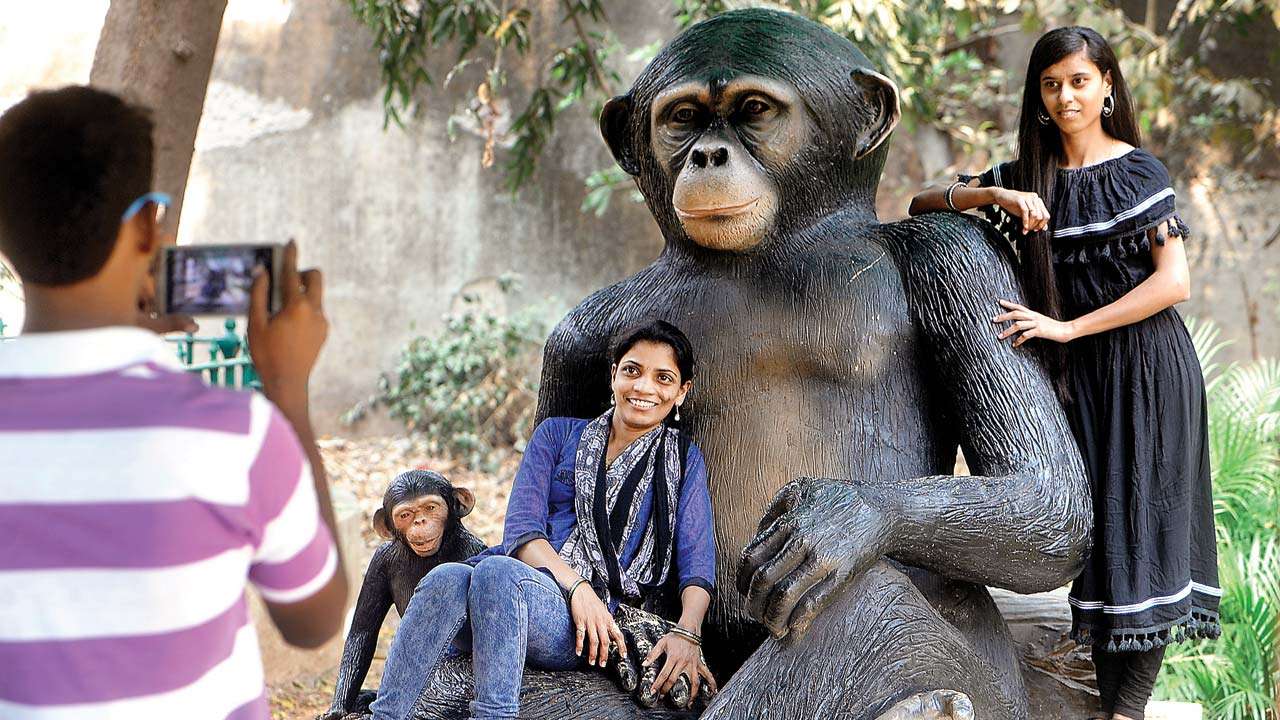
Being a zoo tour guide is hard because you must master animal expertise, public speaking, and crowd control all at once. The real challenge is that you are an ambassador for conservation, not just a narrator, so every answer you give and every rule you enforce shapes how visitors see the natural world. You lead groups through the zoo, share knowledge about species and habitats, raise awareness about habitat loss and climate change, and ensure safety and animal welfare—all while adapting your route and commentary to different ages and interests.
Responsibilities of a Zoo Tour Guide
As a zoo tour guide, your responsibilities extend beyond leading a group. Your main goal is to provide a memorable and educational experience for guests while ensuring their safety and the welfare of the animals. Here are the key responsibilities:
- Tour Planning: Before each tour, plan the route based on the group’s interests and needs. This requires familiarity with the zoo layout, knowing which animals are on display, and selecting the most engaging exhibits to visit.
- Engaging and Informative Commentary: You must be knowledgeable about animal species, their behaviors, and habitats. Deliver interesting commentary that captures attention and highlights conservation importance.
- Animal Welfare: Animal welfare is a top priority. Ensure visitors follow zoo rules—no feeding animals or tapping on glass. Observe animals for signs of distress or abnormal behavior.
- Safety Measures: Enforce safety regulations, such as keeping a safe distance from enclosures, and instruct visitors on behavior around animals. In an emergency, calmly guide visitors to safety.
- Answering Questions: Provide accurate, detailed answers to visitor questions about animals, habitats, and conservation to foster deeper understanding and appreciation.
- Handling Groups: Manage groups, especially during peak times, by being organized and assertive. Adapt your approach for different age groups and interests.
- Environmental Education: Educate visitors about broader environmental issues, such as recycling and reducing carbon emissions, to connect animal conservation with planetary well-being.
These responsibilities require knowledge, communication skills, and a genuine passion for wildlife. A successful tour guide can inspire visitors and leave a lasting impact on their understanding of the natural world. For those who embrace this role, the work itself is exploration—discovering how each tour reveals new ways to connect people with animals. And when planning routes through large zoos, you might wonder how far is a trip around the world; but in practice, a well-planned zoo tour can feel just as expansive, covering diverse habitats and species in a single afternoon.
Knowledge and Skills Required
Being a zoo tour guide requires a diverse range of knowledge and skills to engage visitors effectively. Key areas include:
1. Animal and Conservation Knowledge: A deep understanding of animal species, their natural habitats, behaviors, and conservation efforts is essential. You should provide detailed information about diet, social structures, and unique adaptations.
2. Communication Skills: Effective verbal communication is crucial for delivering engaging commentary. You must adapt your style to suit different age groups and levels of understanding, conveying information clearly and concisely.
3. Public Speaking: Confidence in speaking before a group is essential to captivate your audience and maintain their attention throughout the tour.
4. Flexibility: Each tour group has different needs and interests. You should modify your route and commentary based on visitor feedback and preferences.
5. Problem-Solving Abilities: You will encounter challenging visitors, technical difficulties, or animal-related incidents that require quick thinking and effective solutions.
6. Interpersonal Skills: Building rapport with visitors from diverse backgrounds creates a positive atmosphere and enhances their experience.
7. Continuous Learning: Zoology and conservation fields evolve constantly. Staying updated on new developments ensures you provide accurate, current information about animals and environmental issues.
8. Adaptability to Outdoor Work: The role involves significant time outdoors in all weather conditions, requiring physical stamina and the ability to stand for long hours.
9. Multilingual Skills: Depending on location and visitor demographics, knowing multiple languages helps create a more inclusive and personalized experience.
Developing these skills enables you to excel as a zoo tour guide while promoting conservation and wildlife preservation. For guides leading extended tours, understanding mountaineering gear and packing lists in adventure can help prepare for all-day outdoor shifts, while knowledge of camping tips tent in adventure applies when leading overnight zoo programs.
Training and Education
Becoming a zoo tour guide typically requires a combination of formal education, practical training, and hands-on experience. While no specific degree or certification is required, relevant knowledge and skills are highly beneficial. Common training and educational paths include:
1. Zoology or Biology Degree: Provides a foundation in animal behavior, conservation, and ecology, directly applicable to guiding tours.
2. Natural Sciences or Environmental Studies Degree: Offers comprehensive understanding of the natural world, focusing on environmental sustainability, conservation principles, and ecological systems.
3. Animal Care Courses: Courses in animal care and husbandry enhance understanding of animal management and specific needs, allowing you to provide accurate details to visitors.
4. Conservation and Wildlife Courses: Focused on conservation efforts and wildlife management, deepening understanding of protecting biodiversity and raising visitor awareness about environmental issues.
5. First Aid and CPR Certification: Highly recommended for handling emergency situations confidently, ensuring safety of visitors and animals during health-related incidents.
6. Volunteer or Internship Experience: Hands-on training through zoo volunteering or internships provides practical skills in interacting with visitors, handling animals, and delivering educational programs, offering exposure to daily responsibilities.
7. Professional Development Workshops and Seminars: Workshops and seminars in zoology, conservation, or interpretation develop skills and offer opportunities to learn from experienced professionals, keeping you updated on latest trends and techniques.
Passion, enthusiasm, and a genuine love for animals and conservation are essential to becoming an exceptional tour guide. Effective communication and visitor engagement are often developed through practical experience and a deep connection with nature. Continued learning and staying informed about new advancements in zoology and conservation contribute to growth, allowing you to provide visitors with the most up-to-date experiences during their zoo tours.
Communication and Interpersonal Skills
Effective communication and interpersonal skills are essential for a zoo tour guide to create an engaging and enjoyable experience for visitors. These skills help convey information about animals and their habitats while building connections and fostering a positive atmosphere. Key skills include:
1. Active Listening: Listen to visitors’ questions, concerns, and comments to show you value their input and create a two-way dialogue, tailoring the tour to their interests.
2. Clear and Engaging Delivery: Communicate information clearly using descriptive language, storytelling techniques, and visual aids to captivate attention and enhance understanding.
3. Adaptability: Adjust your communication style and level of detail for diverse audiences—from explaining complex concepts to children to providing in-depth information for adults.
4. Non-Verbal Communication: Use eye contact, facial expressions, and body language to convey enthusiasm, understanding, and empathy, establishing a connection with visitors.
5. Empathy and Patience: Visitors have different knowledge levels about animals and conservation. Show empathy and patience toward their questions and concerns to create a comfortable, inclusive environment.
6. Tailoring Information: Assess the group’s knowledge and engagement to provide the right amount and type of information, adapting commentary and storytelling to match their interests and comprehension.
7. Conflict Resolution: Handle conflicts or disagreements among visitors or between visitors and staff calmly and effectively to ensure a positive experience.
8. Multilingual Skills: Communicate with visitors in their native language to enhance the tour, engage a wider range of visitors, and create a personalized, inclusive experience.
9. Professionalism: Maintain a professional demeanor—dress appropriately, be punctual, and handle interactions with respect.
Developing these skills enables you to connect with visitors, tailor the tour to their needs, and create a memorable experience. As with any guiding role, the ability to adapt and connect is exploration in its own right—whether navigating a zoo path or planning a global journey, understanding your audience is key. For longer tours, consider how mountaineering gear and packing lists in adventure require similar preparation and flexibility.
Animal Behavior and Safety
Understanding animal behavior and prioritizing safety is a fundamental aspect of being a zoo tour guide. It is crucial to have knowledge about animal behavior to ensure the well-being of both the animals and the visitors. Here are the key points to consider:
1. Studying Animal Behavior: Develop a sound understanding of animal behavior, including natural instincts, social structures, feeding patterns, and territorial behaviors. This knowledge allows you to share accurate information with visitors during the tour.
2. Recognizing Normal and Abnormal Behavior: Differentiate between normal and abnormal behavior. Observe animals closely and be familiar with their typical behaviors to identify signs of distress, illness, or aggression. This helps ensure the safety of both visitors and animals.
3. Safety Regulations: Familiarize yourself with the zoo’s safety regulations and guidelines. Educate visitors about prohibited activities such as feeding or touching animals, maintaining a safe distance from enclosures, and following additional safety protocols.
4. Understanding Animal Triggers: Animals have specific triggers that can cause stress or aggression. Learn these triggers and teach visitors to respect the animals’ space and boundaries. Avoid activities that may agitate or startle the animals.
5. Emergency Preparedness: Have a plan for various emergency situations. Know the location of emergency exits, understand evacuation procedures, and be aware of the protocol for contacting zoo staff or authorities in an emergency. Preparedness ensures safety and helps mitigate risks.
6. Providing Animal Enclosure Information: Educate visitors about the purpose and features of animal enclosures. Explain the design elements that provide animals with a comfortable and stimulating environment, helping visitors understand how the zoo prioritizes animal well-being.
7. Age-Specific Safety Instructions: Tailor safety information for different age groups. Ensure children and adults understand potential risks and how to behave around animals. Emphasize following rules and guidelines for everyone’s safety.
8. Collaborating with Zookeepers: Build a good working relationship with zookeepers and other staff. They have valuable insights into animal behavior and can provide additional guidance. Collaborating with them enhances the safety and well-being of animals and visitors.
By having a thorough understanding of animal behavior and prioritizing safety measures, zoo tour guides ensure a safe and enjoyable experience for visitors while maintaining the well-being of the animals.
Crowd Management and Tour Handling Techniques
Effective crowd management ensures a smooth and enjoyable zoo visit. It involves managing groups of varying sizes, providing a structured tour, and addressing participants' needs. Key techniques include:
1. Group Size and Organization: Divide large groups into smaller subgroups for more personalized interactions and clear sightlines. Assign a designated meeting point and time to maintain organization.
2. Clear Communication and Instructions: Give concise instructions at the tour start to set expectations. Clearly communicate meeting points, timings, and safety guidelines throughout to minimize confusion.
3. Engaging and Interactive Elements: Incorporate quizzes, games, or Q&A sessions to keep participants engaged. This creates a dynamic experience for visitors of all ages.
4. Time Management: Use a well-structured itinerary. Allocate appropriate time for each exhibit and activity to balance the tour, ensuring visitors have ample opportunity to explore and engage with animals.
5. Sensitive to Visitor Interests and Pace: Adjust the tour based on the group's energy and interests. Some visitors prefer more time at specific animals; others want a faster pace. Adapting fosters a personalized experience.
6. Clear Signage and Direction: Utilize zoo signage and point out landmarks or visual cues to help visitors navigate easily.
7. Handling Interruptions and Distractions: Be patient and accommodating with questions or requests. Balance engagement with time management to provide a comprehensive experience for all.
8. Flexibility and Adaptability: Unexpected circumstances—weather changes, animal behaviors, or unforeseen events—may arise. Be prepared to modify the tour plan to ensure a seamless experience.
9. Maintaining Group Safety: Keep the group together, account for everyone, and enforce safety rules. Proactively address potential hazards to prevent accidents and minimize risks.
By employing these techniques, zoo tour guides create a well-organized, enjoyable experience that maximizes engagement and leaves a lasting impression. For those planning a longer adventure, understanding how far is a trip around the world can help contextualize the scale of a zoo visit within a broader travel itinerary. Similarly, reviewing camping tips tent in adventure can provide useful preparation for visitors combining a zoo trip with outdoor stays.
Handling Difficult Situations
As a zoo tour guide, you will face challenging situations. Remain calm, composed, and professional. Here are key tips:
1. Managing Disruptive Visitors: Approach with patience and assertiveness. Politely remind them of the guidelines and the impact on animals and other visitors.
2. Dealing with Aggressive Animals: If an animal shows aggression or distress, calmly move your group to a safe distance. Alert zoo staff, who are trained for such incidents. Keep the group informed.
3. Addressing Controversial Topics: Animal welfare or conservation debates may arise. Maintain neutrality, provide factual information, and encourage open dialogue while respecting different viewpoints.
4. Assisting Visitors with Special Needs: Show empathy. Proactively provide wheelchair accessibility info, alternative routes, or additional explanations for visually impaired visitors.
5. Handling Emotional Visitors: Some visitors have strong emotional reactions. Be empathetic, offer information or a listening ear, acknowledge their feelings, and redirect focus to positive aspects of the visit.
6. Resolving Complaints: Listen attentively, acknowledge grievances, and offer solutions or alternatives. Refer visitors to appropriate zoo staff when needed.
7. Adapting to Unexpected Situations: Inclement weather, power outages, or area closures may occur. Stay flexible, adjust the tour route or activities, and provide alternative options for an engaging experience.
8. Seeking Support from Zoo Staff: For situations beyond your expertise, seek assistance from zoo staff. They have the training to handle complex issues. Communicate effectively and collaborate to resolve difficulties.
9. Demonstrating Professionalism: Stay calm, speak confidently, and address issues promptly and respectfully. Your professionalism serves as a role model for visitors and fellow staff.
Each difficult situation is an opportunity to learn and grow. Handle challenges with grace and professionalism to turn them into positive experiences and ensure a memorable visit for all.
Benefits and Challenges of Being a Zoo Tour Guide
Being a zoo tour guide comes with its own set of unique benefits and challenges. Understanding these aspects can help individuals decide if this career path aligns with their interests and aspirations.
Benefits:
- Passion for Animals: If you have a genuine love for animals, being a zoo tour guide allows you to immerse yourself in a world where you can share that passion with others, educating and inspiring visitors about wildlife conservation.
- Educational Opportunities: Constantly learning and staying updated on animal behavior, conservation efforts, and environmental issues keeps your knowledge expanding, which you can share with visitors to enrich their understanding of the natural world.
- Interaction with Visitors: Interacting with a diverse range of people from different backgrounds and cultures is rewarding. You meet and connect with visitors of all ages, fostering a sense of community and shared love for wildlife.
- Outdoor Environment: Working in a zoo means spending significant time outdoors, surrounded by nature and animals, providing a refreshing work environment away from an office.
- Positive Impact: You make a positive impact by educating and inspiring visitors to take action for conservation, shaping their perceptions and behaviors toward animals and the environment. Challenges:
- Hectic Schedule: The job often involves working weekends, holidays, and during peak tourist seasons, requiring long hours and the ability to handle multiple tours back-to-back.
- Dealing with Difficult Visitors: Occasionally, you encounter challenging visitors who may not adhere to rules. Maintaining patience and composure is essential to ensure a positive experience for all.
- Physical Demands: Leading tours and walking for extended periods is physically demanding. You need stamina to be on your feet for long hours and adapt to various weather conditions.
- Emotional Resilience: Witnessing animal behaviors like mating or territorial displays can unsettle visitors. You must remain composed and address concerns with empathy and sensitivity.
- Continuous Learning: Staying updated on animal behaviors, conservation strategies, and environmental issues requires dedicated time and effort for self-education. While challenges exist, the benefits—educating others, interacting with wildlife, and making a positive impact—often outweigh them. This career offers adventure, learning, and the chance to connect people with the wonders of the animal kingdom. For those drawn to the outdoors and education, the role is a natural extension of is exploration, where every tour becomes a journey of discovery.
Conclusion
Becoming a zoo tour guide offers a career for those passionate about animals, conservation, and education. It provides a unique opportunity to immerse oneself in wildlife, sharing knowledge to inspire visitors. However, the role carries distinct challenges.
The responsibilities range from providing informative commentary to managing crowds and ensuring the safety of visitors and animals. Benefits include engaging with visitors, fostering a love for nature, and contributing to conservation efforts. Effective communication and interpersonal skills are essential for delivering engaging tours and adapting to different audiences, creating memorable experiences that inspire advocacy for wildlife.
Understanding animal behavior and prioritizing safety are fundamental. Knowledge of normal and abnormal behaviors, along with safety regulations, ensures animal well-being and visitor satisfaction. While benefits include education, wildlife interaction, and positive visitor impact, challenges include a dynamic, demanding environment requiring resilience, adaptability, and continuous learning.
Being a zoo tour guide blends a passion for wildlife with enthusiasm for education. It requires knowledge, communication skills, and a genuine love for people and animals. By sharing expertise and inspiring others, you contribute to the preservation of our planet's wildlife and a more sustainable future.