

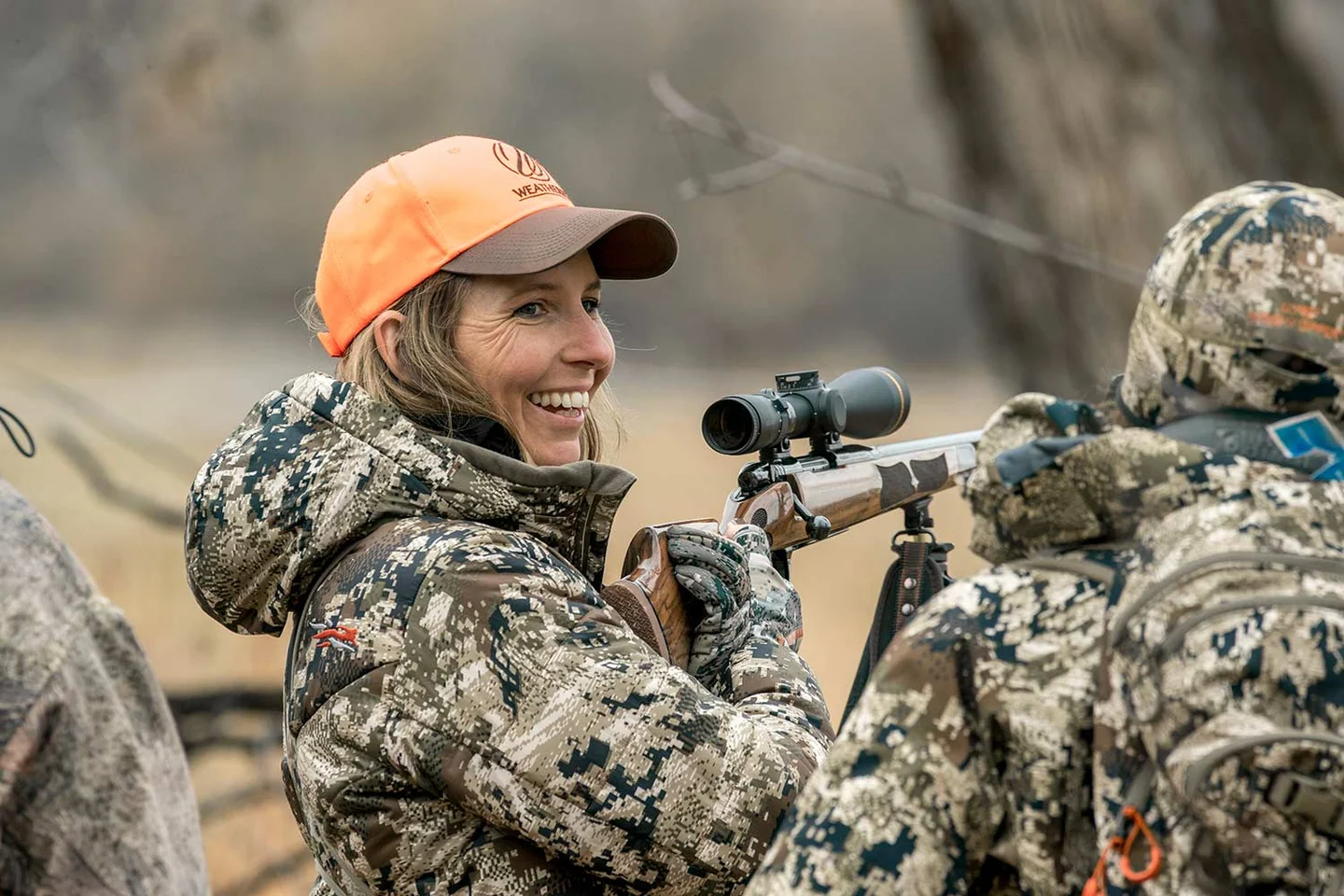
The primary reason to plan and prepare for a hunting trip is to ensure your safety and well-being. But that careful preparation also directly increases your chances of a successful harvest. Planning means researching terrain and local wildlife to navigate safely, packing essential survival gear like a first aid kit and navigation tools, and informing a trusted contact of your itinerary. For success, it involves studying your target species’ behavior, scouting the area for food sources and game trails, and sighting in your firearm or archery equipment.
Ensuring Safety and Well-being
One of the primary reasons to plan and prepare for a hunting trip is to prioritize your safety and well-being. Hunting carries inherent risks, but adequate preparation mitigates potential dangers.
First, proper planning includes researching the hunting area: studying the terrain, identifying hazards like steep slopes, dense vegetation, or bodies of water, and familiarizing yourself with local wildlife and behaviors to navigate safely.
Preparing for unpredictable situations is crucial. Pack essential safety items: a first aid kit, fire-starting equipment, navigation tools, and emergency provisions. Knowing basic survival skills—building a shelter or starting a fire—enhances your ability to handle unforeseen circumstances.
Inform someone reliable about your hunting trip plans. Share your itinerary, including planned duration and location, with a trusted friend or family member. If you fail to return as scheduled, this information is essential for search and rescue efforts.
Being physically and mentally prepared is vital. Ensure good physical condition through regular exercise and strength training to handle long hikes or carrying heavy equipment. Mental preparation—staying focused, alert, and calm—helps you make rational decisions in stressful situations. Practicing patience and discipline is necessary, as hunting often requires waiting extended periods before taking a shot. For those also planning other outdoor activities, reviewing camping tips tent in adventure can help ensure a comfortable base camp.
By prioritizing safety and well-being through careful planning and preparation, you can enjoy your hunting trip with peace of mind, knowing you are equipped to handle challenges.
Maximizing Success
Proper planning and preparation directly increase your chances of a successful harvest. Start by researching your target species: study behavior, feeding patterns, and movement to choose the best hunting methods, locations, and times.
Scout the hunting area before your trip. Familiarize yourself with the terrain, identify food sources and waterholes, and locate game trails or bedding areas. This allows you to position yourself in the most promising spots during the hunt.
Equipment selection is critical. Ensure firearms or archery gear are sighted in and maintained. Practice shooting to improve accuracy and confidence. Invest in quality camouflage, scent-blocking products, calls, and decoys to enhance effectiveness.
Always have a backup plan. Weather and animal behavior can shift unpredictably. Prepare alternative hunting locations or secondary game species to pursue, and adapt your strategies as conditions change. For example, understanding how weather affects movement is part of what is exploration in the field—learning to read the landscape and animal responses in real time.
Learn from experienced hunters. Attend workshops, join hunting clubs, or hire a guide. These sources provide proven techniques and strategies to boost your success rate. Reviewing mountaineering gear and packing lists in adventure can also help you organize your own hunting kit efficiently, ensuring you carry only what you need for the terrain and conditions.
By incorporating these elements—species research, area scouting, gear preparation, contingency planning, and mentorship—you maximize your odds of a rewarding harvest. Success in hunting comes from both the preparation and the knowledge gained along the way.
Proper Equipment and Gear
Select the appropriate firearm or bow for your target game. Ensure the firearm is properly sighted in and that you are comfortable with its operation. For archery, choose a bow with the correct draw weight and length for accuracy.
Essential accessories include a quality hunting knife for field dressing, a binocular or spotting scope for scouting, and a rangefinder for distance assessment. Shooting rests or bipods stabilize shots and reduce fatigue during long waits.
Wear layered clothing to regulate body temperature, and use high-quality camouflage for concealment. Choose durable boots suited to your terrain. Carry a hunting backpack with water, snacks, extra ammunition or arrows, field dressing tools, and extra clothing layers. A headlamp or flashlight is crucial for low-light conditions. Depending on regulations and preference, bring calls or decoys to attract game.
Prepare for all weather: rain gear, thermal layers for cold, and sun protection for hot days. Staying comfortable and protected from the elements keeps you focused.
Safety equipment includes hearing protection, protective eyewear, and a hunting harness if hunting from an elevated position. Safety should always be a top priority.
For those who also enjoy related outdoor pursuits, reviewing mountaineering gear and packing lists in adventure can offer cross-training tips for carrying heavy loads efficiently. Likewise, understanding camping tips tent in adventure helps ensure your base camp is secure and comfortable before heading into the field.
By investing in the right equipment, you improve your hunting performance, comfort, and overall outdoor experience.
Knowledge of Hunting Areas
Thoroughly understanding your hunting area is essential for a successful trip. Start by researching the specific hunting laws and regulations for that region: seasons, bag limits, permits, licenses, tags, and any restrictions on techniques or gear.
Familiarize yourself with the terrain and topography. Study maps and satellite imagery to identify ridges, valleys, water sources, and natural funnels. This helps you position yourself where game is likely to travel.
Research local wildlife populations and their habits—movement patterns, feeding areas, and bedding grounds of your target species. This guides scouting and helps locate prime hunting spots.
Local knowledge is invaluable. Connect with local hunters, join online hunting forums, or consult wildlife authorities. Experienced individuals can share tips on techniques, best times to hunt, and specific proven locations.
Understand hunting pressure in the area. Determine if it is heavily hunted and how that affects game movement and behavior. If possible, scout beforehand to assess activity and find less pressured locations with better opportunities.
Be aware of safety hazards: dangerous wildlife, challenging terrain, or extreme weather. Prepare accordingly and take necessary precautions for your party’s safety.
By acquiring this knowledge, you make informed decisions, increase your chances of success, and have a more rewarding experience. The time invested in researching the hunting grounds pays off in the field.
Legal Requirements and Regulations
Complying with hunting laws is essential to avoid penalties and legal issues. Before a hunting trip, familiarize yourself with the specific regulations governing the area where you plan to hunt.
First, obtain the necessary permits, licenses, and tags required to hunt legally. Different regions have varying requirements, including specific licenses for certain game species or special permits for designated areas. Obtain these documents well in advance to avoid last-minute complications.
Understand hunting seasons and bag limits. Wildlife populations need sustainable management. Seasons regulate the harvest of game animals, and bag limits specify the number of animals that can be legally harvested. Familiarize yourself with these regulations to hunt within legal limits.
Follow specific hunting techniques and gear restrictions. Some areas limit certain methods or equipment, such as the type of firearms or bow, or regulations regarding bait or artificial attractants. Adhering to these restrictions is essential for a legal and ethical hunt.
Respect private property rights and seek proper permission when hunting on private land. Trespassing can result in legal consequences and harm relationships with landowners. Always obtain written permission and follow any additional requirements the landowner has.
Hunting laws and regulations are subject to change, so stay up to date with recent modifications. Consult official sources such as state or provincial wildlife agencies, hunting guidebooks, or hunting organizations to be aware of new regulations or updates that may impact your activities.
By adhering to legal requirements, you demonstrate respect for wildlife and their habitats and contribute to the sustainability of hunting as a recreational activity. Hunting responsibly and ethically preserves the sport for future generations of hunters.
Health and Physical Preparation
When planning and preparing for a hunting trip, health and physical well-being are critical. Hunting often involves traversing varied terrains, enduring long hours of walking or sitting, and carrying necessary equipment. Being in good physical condition can significantly improve your overall experience.
Engage in regular exercise before your trip to improve endurance, strength, and flexibility. Focus on activities that mimic hunting demands, such as hiking, jogging, or weightlifting. Target your core, legs, and upper body to better prepare for physical challenges.
Proper nutrition maintains energy levels and well-being. Consume a balanced diet of lean proteins, whole grains, fresh fruits and vegetables, and plenty of water. Avoid heavy or sugary foods that cause energy crashes or dehydration. Fueling your body with the right nutrients enhances stamina and focus in the field.
Bring necessary medications and personal care items. If you have existing medical conditions or allergies, consult your healthcare provider for appropriate precautions and medications. A first aid kit and basic first aid knowledge are essential for addressing minor injuries or medical issues during the hunt.
Mental preparation is equally important. Hunting demands patience, focus, and quick decision-making. Practice visualization and mindfulness techniques to improve concentration and composure in high-pressure situations. A positive mindset and emotional resilience contribute to a more enjoyable and successful hunt.
Consider the altitude and environmental conditions of your destination. If traveling to a high-altitude location, acclimate to reduced oxygen levels through gradual exposure, staying well-hydrated, and avoiding excessive physical exertion to prevent altitude-related illnesses.
By prioritizing health and physical preparation, you better endure the physical demands of a hunting trip. A fit and healthy body, along with a focused and resilient mind, enhances your outdoor experience and increases your chances of a successful hunt.
Weather and Environmental Factors
When planning and preparing for a hunting trip, it is essential to consider the impact of weather and environmental factors on your experience and success. Weather conditions and the surrounding environment can significantly influence the behavior of game species, as well as your comfort and safety in the field.
Understanding the weather patterns of your hunting area is crucial. Familiarize yourself with the average temperatures, precipitation levels, and prevailing wind directions during the time of your trip. This knowledge will help you determine appropriate clothing layers, gear, and hunting strategies to adapt to the prevailing weather conditions.
Extreme weather conditions, such as heavy rain, snowfall, or excessive heat, can pose unique challenges during a hunting trip. Plan accordingly and bring appropriate gear to protect yourself from the elements. This may include rain gear, insulated clothing, thermal layers, or sun protection to ensure your comfort and safety throughout the hunt.
Pay close attention to wind patterns, as wind can carry your scent to the game and alert them to your presence. Understanding how wind direction interacts with the landscape can help you position yourself advantageously to minimize the likelihood of being detected by game animals.
The surrounding environment also plays a vital role in your hunting success. Research the habitat of your target species and understand their preferred food sources, water sources, and bedding areas. These factors will guide your scouting efforts and help you locate areas where game is likely to be present.
Additionally, be aware of any current or potential environmental factors that may impact your hunt. This may include wildfires, flooding, or natural disasters. Stay informed about any advisories or warnings issued by local authorities and adjust your hunting plans accordingly to ensure your safety.
The time of day can also have an effect on hunting success. Understanding the specific habits and behaviors of your target species, such as their feeding times or movement patterns, can help you plan your hunt accordingly. Some game species may be more active during early morning or late evening hours, while others may be more active during the midday hours. By aligning your hunting schedule with the natural rhythms of wildlife activity, you can increase your chances of encountering game.
Ultimately, remaining flexible and adaptable to changing weather and environmental conditions is crucial during a hunting trip. Continuously assess and adjust your strategies based on the prevailing conditions to maximize your chances of a successful and enjoyable hunt.
Emergency Preparedness
While no one wants to encounter emergencies during a hunting trip, it is crucial to be prepared for unexpected situations. Being equipped with the knowledge and resources to handle emergencies can make a significant difference in ensuring your safety and the well-being of your hunting party.
First and foremost, having a well-stocked first aid kit is essential. Include items such as bandages, antiseptic wipes, gauze, adhesive tape, pain relievers, and any necessary prescription medications. Familiarize yourself with basic first aid procedures to address minor injuries or medical conditions that may arise during the trip.
Consider taking a first aid or wilderness medicine course to enhance your skills and confidence in handling emergency situations. These courses can provide valuable training on responding to injuries, managing wilderness emergencies, and performing CPR or other lifesaving techniques.
Inform someone reliable about your hunting trip plans, including your expected duration and the location where you will be hunting. Provide them with the necessary contact information for emergency services and establish a communication plan in case you need assistance. Regularly check in with your designated contact person to update them on your status.
Carry means of communication, such as a fully charged mobile phone or a satellite communication device, in case of emergencies. These devices can enable you to reach out for help in areas with limited or no cellphone coverage.
Be prepared with adequate food, water, and shelter in case you are unexpectedly delayed or unable to return as planned. Pack enough non-perishable food, water, and emergency supplies to sustain yourself and your hunting party for an extended period of time.
Understanding basic outdoor survival skills is crucial for emergency situations. Knowing how to build a shelter, start a fire, purify water, and navigate without modern technology can greatly increase your chances of survival in case of unforeseen circumstances.
Stay up to date with local weather conditions and heed any warnings or advisories issued by authorities. Being aware of potential severe weather events or natural disasters allows you to adjust your plans accordingly and seek shelter or evacuate if necessary.
Carry a reliable navigational tool such as a map, compass, or GPS device. Familiarize yourself with the surrounding area and potential escape routes in case you need to find your way back to safety.
In the event of a serious emergency or injury, it is important to remain calm and evaluate the situation before taking action. Prioritize personal safety and the well-being of your hunting party, and seek professional medical assistance as soon as possible.
By being well-prepared and knowledgeable in emergency situations, you can mitigate risks and ensure a safer hunting experience. Taking proactive measures to address potential emergencies demonstrates responsible hunting practices and prioritizes the well-being of yourself and others in the outdoors.
Budgeting and Financial Planning
When planning a hunting trip, create a budget that aligns with your financial resources. Determine the scope of your trip and identify associated costs: transportation to and from the hunting location, accommodation expenses, hunting permits and licenses, gear and equipment purchases or rentals, and food provisions. Research expected expenses for each category to build a realistic budget.
Research the cost of necessary permits and licenses for your desired location, including both resident and non-resident fees, which vary by jurisdiction and the species you plan to hunt. Factor in costs for any additional tags or stamps required for specific game animals.
Accommodation costs vary by preference and available options in the hunting area. Whether staying in hotels, lodges, campgrounds, or renting a cabin, determine the approximate daily costs and duration of your stay to estimate expenses. For those considering a campsite, check whether is the campsite discount for a recreation.gov senior applies to your booking.
Budget for transportation: fuel expenses if driving, or airfare and car rental if flying. If traveling long distances, include lodging and meal costs during the journey.
Equipment costs play a significant role. Evaluate your existing gear and determine if purchases or upgrades are necessary. Research prices of firearms, bows, ammunition, clothing, boots, and other hunting accessories. Consider quality and durability to ensure the equipment meets your trip requirements. For packing advice, review mountaineering gear and packing lists in adventure for tips on organizing your load.
Food costs vary by trip duration, number of individuals, and meal options. Account for purchasing or packing meals and snacks for each day.
Allocate a contingency fund for unforeseen expenses or emergencies during the trip. Track your spending to stay within budget. Avoid impulse purchases and evaluate the necessity of each expense. Consider cost-saving measures such as packing non-perishable food, sharing accommodations with fellow hunters, or exploring economical gear options.
By carefully planning and managing your hunting trip budget, you ensure expenses align with your financial capabilities, allowing you to enjoy the experience without unnecessary stress and paving the way for future hunting adventures.
Conclusion
Planning and preparation are vital for a successful and enjoyable hunting trip. Research, organize, and equip yourself properly to enhance safety, increase your chances of success, and make the most of your time in the wilderness.
Safety is a top priority. Familiarize yourself with hunting areas, potential hazards, and wildlife behavior. Pack necessary safety equipment and inform a trusted person of your plans and whereabouts.
Maximizing success requires a deep understanding of your target species, their habits, and the hunting area. Research the game, scout the area, and use appropriate equipment to improve your chances of a successful harvest.
Being properly equipped for the environment and weather is crucial. Dress appropriately for the terrain, select the right weapon, and use quality gear to enhance comfort, concealment, and the overall hunting experience.
Knowledge of hunting areas, including laws and regulations, is essential for ethical and responsible hunting. Comply with legal requirements, respect private property rights, and stay informed about regulatory changes.
Good health and physical fitness help you endure the demands of hunting. Engage in regular exercise, eat a balanced diet, and be mentally prepared to maximize endurance and focus.
Weather and environmental factors influence your experience and success. Research weather patterns, understand wind direction, and consider the environment to adapt your strategies and increase your chances of encountering game.
Emergency preparedness is crucial. Carry a first aid kit, have means of communication, and know basic survival skills. Prioritize safety, inform others of your plans, and be ready to adapt to unexpected events.
Budgeting and financial planning help manage the costs of the trip. Create a realistic budget covering permits, licenses, gear, transportation, accommodation, and food, and track expenses to stay within your means.
In conclusion, proper planning and preparation for a hunting trip are essential for safety, success, and enjoyment. By investing time and effort into these aspects, you can optimize your experience and create lasting memories in the great outdoors.
