

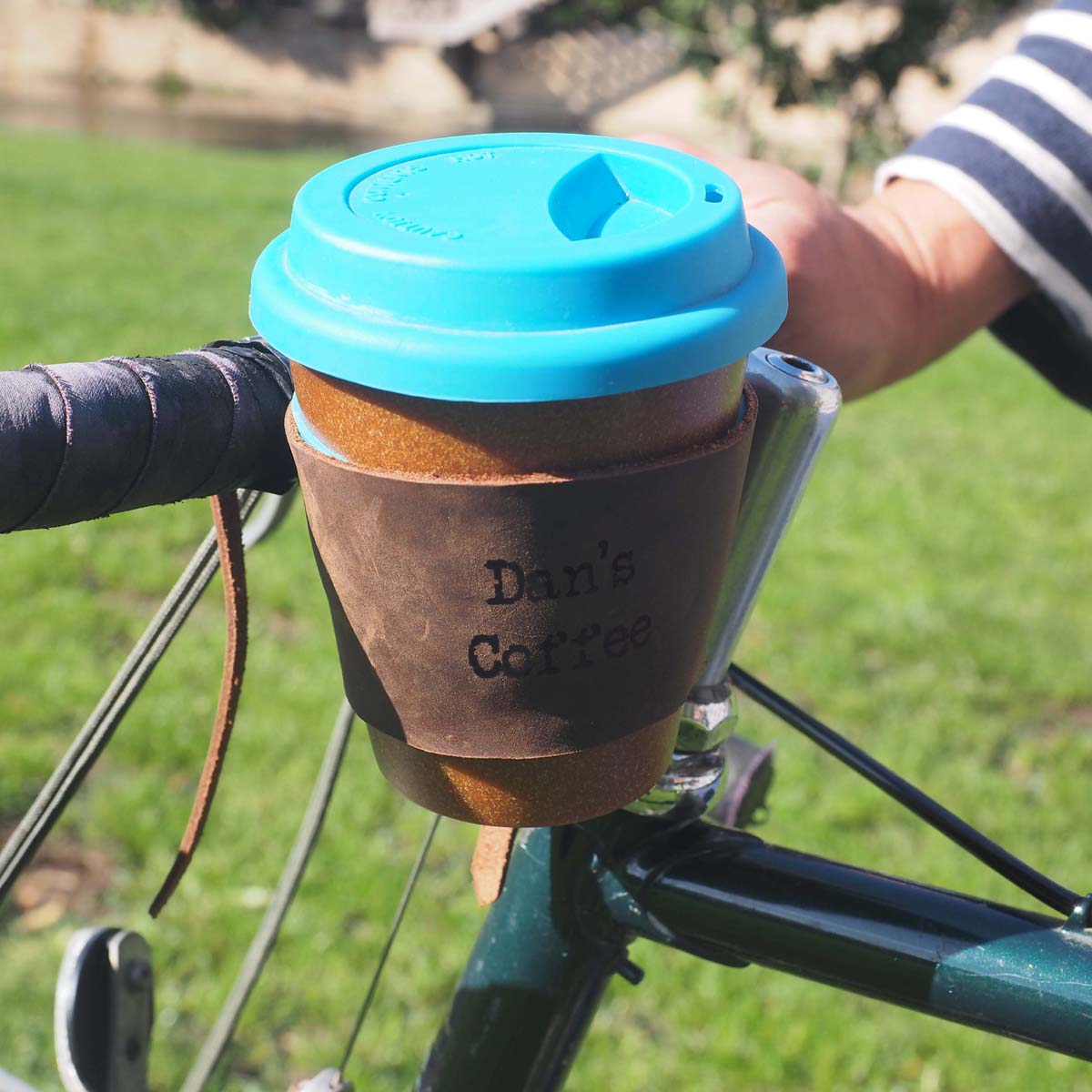
To make a cup holder for a bike, you attach a plastic or metal container to your handlebars or frame using zip ties, bolts, or a handlebar clamp. The only real cost is your time and a few dollars for materials like a recycled can or PVC pipe, plus optional foam padding for cushioning.
Materials Needed
Before you get started, gather the following materials:
Related travel guides: How To Install Bugaboo Cup Holder and Which Yeti Rambler Fits In Van Cup Holder.
- Plastic or metal container for the cup holder (such as a recycled can or PVC pipe)
- Zip ties, bolts, or a handlebar clamp for mounting
- Zip ties or bolts
- Measuring tape or ruler
- Marker or pen for marking measurements
- Drill and drill bits (if necessary)
- Bolts (if necessary)
- Optional: Foam padding to provide cushioning for the mounting bracket
These materials can often be found at your local home improvement store, bike shop, or online. Depending on the design you choose, you may need to adapt the list to fit your specific cup holder idea. If your cup holder is a plastic or metal container, drill holes in it for attaching zip ties or bolts. If your cup holder doesn't have a built-in attachment mechanism, you can drill holes and use zip ties to securely fasten it to the mounting bracket. If using a handlebar clamp, loosen any bolts that allow for adjustments. If needed, you can bend the aluminum strip to fit the correct size. If desired, add padding to the mounting bracket to prevent scratches.
Step 1: Measure and Mark Cup Holder Placement
The first step in making a cup holder for your bike is to determine the ideal placement for it. This will depend on your personal preference, the type of bike you have, and the size of the cup holder you plan to use.
Start by choosing a location on your handlebars or frame where the cup holder will be easily accessible while you ride. Make sure it doesn't interfere with your hands or any other bike accessories like the brakes or gears.
Once you have selected the spot, use a measuring tape or ruler to determine the appropriate height and width for the cup holder. Take into consideration the size of the cup or bottle you will be using and ensure there is enough space for it to fit securely without obstructing your view or interfering with your riding position.
Once you have the measurements, use a marker or pen to mark the placement of the cup holder on your bike. It's a good idea to make small reference marks on both the handlebars or frame and the cup holder itself to ensure proper alignment during installation.
If you are using zip ties, bolts, or a handlebar clamp for mounting, make sure to align them with the marked placement. This will help you determine the positioning and angle for attaching the cup holder securely to your bike.
Remember to double-check your measurements and markings before moving on to the next step. Accurate placement is crucial to ensure the cup holder is functional, stable, and doesn't interfere with your bike's performance.
Note: If you are unsure about the placement or installation, it can be helpful to consult with a professional bike mechanic or experienced cyclist who can provide guidance based on your specific bike and riding style.
Step 2: Prepare the Mounting Bracket
The mounting bracket serves as the base for attaching the cup holder to your bike. Depending on the type of bracket you choose, you may need to modify or adapt it to fit your specific cup holder design. Here's how to prepare the mounting bracket:
- Inspect the mounting bracket to ensure it is in good condition and suitable for attaching the cup holder. If it requires any cleaning or repairs, take care of those before proceeding.
- If using a handlebar clamp, loosen any bolts that allow for adjustments. This will make it easier to attach the cup holder securely.
- Measure the diameter of your handlebars or frame to determine the appropriate size for the mounting bracket. If needed, you can bend the aluminum strip to fit the correct size.
- Optional: If desired, add padding to the mounting bracket to prevent scratches. Cut a piece of foam padding slightly larger than the mounting bracket. Make sure the foam is thick enough to provide cushioning, but not too thick to interfere with the stability of the cup holder.
- If your cup holder is a plastic or metal container, drill holes in it for attaching zip ties or bolts. If your cup holder doesn't have a built-in attachment mechanism, you can drill holes and use zip ties to securely fasten it to the mounting bracket. This is similar to ensuring your suitcase size fits under an airline seat—you need to check the fit before you commit.
Once you have prepared the mounting bracket, set it aside for now and move on to the next step of attaching it to your bike.
Step 3: Attach the Mounting Bracket to the Bike
Now that you have prepared the mounting bracket, it's time to attach it to your bike. Follow these steps to securely install the bracket:
- Place the mounting bracket on the marked placement on your handlebars or frame. Ensure that it is aligned properly and positioned at the desired angle.
- If using a handlebar clamp, loosen any bolts that allow for adjustments. Tighten them to secure the bracket in place. Make sure it is tight enough to hold the cup holder firmly, but not so tight that it damages your bike's handlebars or frame.
- Test the stability of the mounting bracket by gently shaking or jiggling it. It should feel secure and not wobble or move excessively. If necessary, readjust the bracket or tighten the bolts further.
- If your bike has a particularly thin or irregularly shaped handlebar or frame, you may need to use additional padding or shim materials to ensure a snug fit. If desired, add padding to the mounting bracket to prevent scratches.
- Double-check the alignment and placement of the mounting bracket before moving on to the next step.
Once you have successfully attached the mounting bracket to your bike, you are ready to move on to the next step of installing the cup holder itself. Take your time and make any necessary adjustments to ensure a sturdy and reliable attachment.
Step 4: Install the Cup Holder
With the mounting bracket securely attached to your bike, it's time to install the cup holder. Follow these steps to properly install it:
- If your cup holder is a plastic or metal container (such as a recycled can or PVC pipe), drill holes in it for attaching zip ties or bolts.
- Place the cup holder onto the mounting bracket, ensuring it is centered and positioned at the desired angle. Make any necessary adjustments to align it with your preferred riding position.
- If your cup holder has an attachment mechanism, secure it to the mounting bracket according to the manufacturer's instructions. This may involve tightening bolts, adjusting straps, or using clamps.
- If your cup holder doesn't have a built-in attachment mechanism, you can drill holes and use zip ties to securely fasten it to the mounting bracket. Make sure it is held firmly in place and doesn't shift or wobble.
- Test the stability of the cup holder by applying gentle pressure and shaking it slightly. It should feel secure and hold your cup or bottle in place without any excessive movement.
- Double-check the positioning and alignment of the cup holder to ensure it doesn't interfere with your riding position, brakes, gears, or any other bike accessories. Make any necessary adjustments before moving on.
Once you have installed the cup holder, take a moment to admire your handiwork. Make sure it is securely attached and can hold your desired beverage without any risk of spillage or accidents while you ride. Now, you're ready to enjoy your favorite drink on your cycling adventures!
Step 5: Test and Make Adjustments (if necessary)
After installing the cup holder on your bike, test its functionality and make adjustments as needed.
- Place a cup or bottle into the cup holder. Ensure it fits securely and doesn’t wobble while you ride.
- Take a short test ride in a controlled area like an empty parking lot. Note how the holder performs over bumps, corners, and at speed.
- If you notice instability, stop and check the mounting method. Tighten any bolts or readjust zip ties or clamps as necessary.
- Continue testing on different terrains. If problems persist, consider modifications or consult a professional.
- Ensure the cup holder does not obstruct your view or interfere with brakes, gears, or other bike accessories.
- If the holder still doesn’t meet expectations, assess whether further adjustments or a different design is needed. Safety comes first.
It may take a few iterations to find the perfect setup. Take your time to achieve a secure, functional holder.
Congratulations! You have created a DIY cup holder for your bike. Now enjoy your rides with a drink by your side.
Conclusion
Creating a cup holder for your bike is a practical DIY project that can enhance your cycling experience. With a recycled can or PVC pipe, zip ties, bolts, or a handlebar clamp, and basic tools, you can have a secure place to keep beverages while you ride.
In this article, we walked through the step-by-step process: from measuring and marking placement to drilling holes in the container and threading zip ties through them, or bending an aluminum strip into a bracket. If using a handlebar clamp, loosen any bolts for adjustments; if needed, bend the aluminum strip to fit. Add padding to the mounting bracket to prevent scratches if desired.
Prioritize safety throughout. Ensure the cup holder and mounting bracket do not interfere with steering, braking, or balance. Secure the holder with zip ties or bolts so your beverage stays put without risk of spills or accidents.
Feel free to adapt the instructions to fit your bike and preferences. Experiment with different ideas until you find the perfect setup. For travelers, consider how much your suitcase can weigh on Southwest when packing your DIY gear. Now, with your cup holder in place, enjoy rides with a refreshing drink by your side—stay hydrated and safe.
