

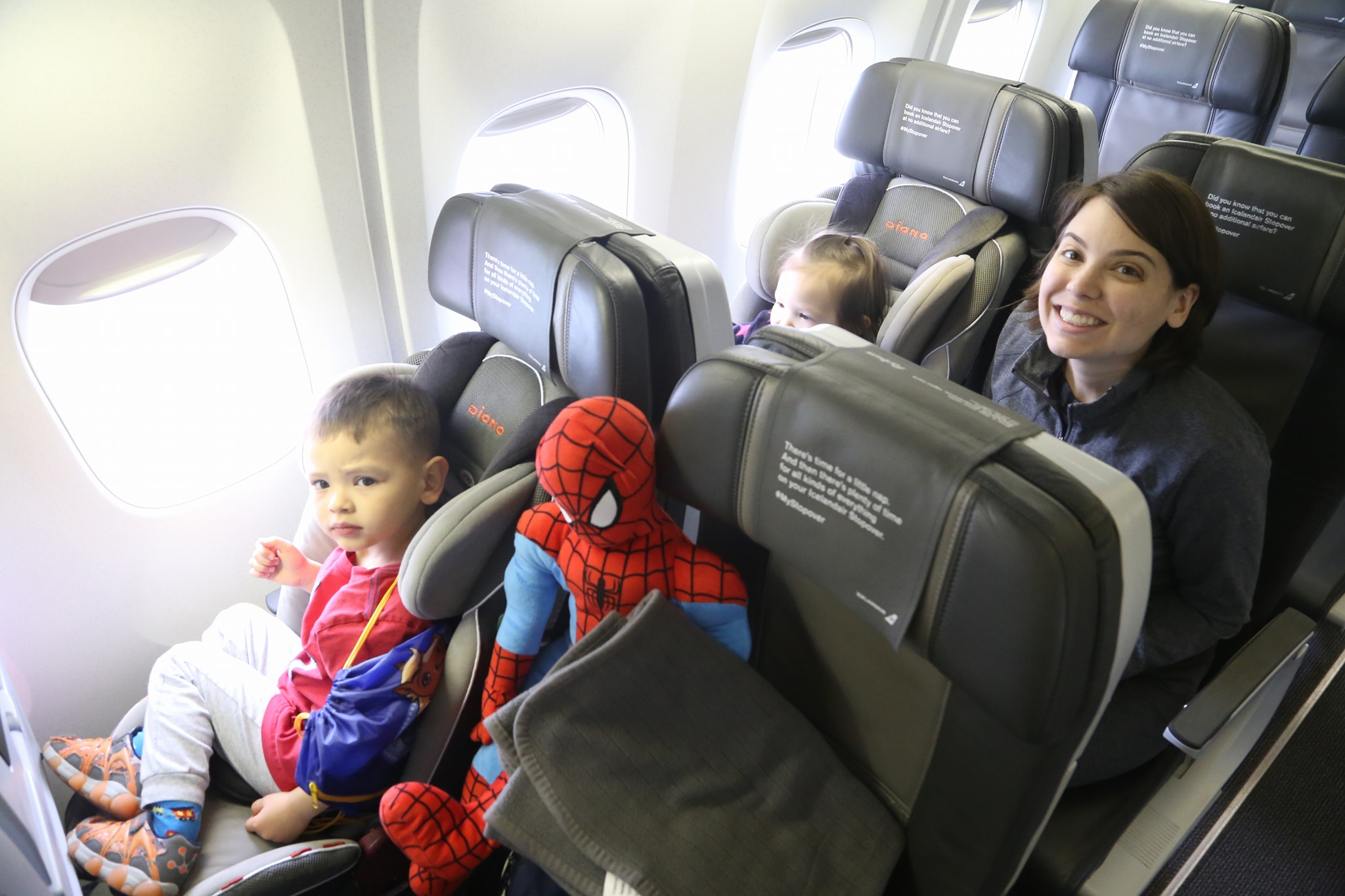
Position the Doona rearward-facing on the airplane seat, route the lap belt through its belt guides, buckle, and tighten snugly. However, airline regulations vary, so you must check with your specific airline beforehand to ensure compliance and avoid last-minute complications.
Preparing for the Flight
Before you embark on your journey, it's crucial to make sure you have everything in order for a smooth and hassle-free flight with the Doona. Here are some essential steps to take before your flight:
- Check airline regulations: Different airlines have different regulations when it comes to traveling with a baby or toddler. Make sure to check the airline's website or contact their customer service to familiarize yourself with their specific policies regarding car seats and strollers. This will help you avoid any surprises or last-minute complications at the airport.
- Book the appropriate seat: If you plan to use the Doona on the airplane, it's recommended to book a seat with extra legroom or a bulkhead seat. These seats provide more space for you to comfortably install and use the Doona while onboard.
- Pack necessary accessories: Along with the Doona, make sure to pack essential accessories such as a sunshade, rain cover, and a travel bag for the car seat. These accessories will not only protect the Doona but also ensure your child's comfort and safety during the flight.
- Charge electronic devices: If you plan to use electronic devices during the flight, such as a tablet or smartphone, make sure they are fully charged before you board the plane. This way, you can keep your child entertained with their favorite apps, games, or videos.
- Pack necessary supplies: Don't forget to pack essential supplies for your child, including diapers, wipes, bottles, snacks, and a change of clothes. These items will help you handle any unexpected situations and keep your child comfortable throughout the flight.
- Arrive early: To avoid unnecessary stress and rushing, arrive at the airport well in advance of your flight. This will give you ample time to check-in, go through security, and ensure that you have everything you need for a successful trip with the Doona.
By following these preparatory steps, you will be well-equipped and ready to install the Doona on the airplane seat with ease. Now, let's move on to the next section, where we will guide you in choosing the right Doona model for air travel.
Choosing the Right Doona Model
When it comes to using the Doona on an airplane, it's important to choose the right model that meets both safety regulations and airline requirements. Here are a few key factors to consider when selecting a Doona model for air travel:
- FAA approval: The Federal Aviation Administration (FAA) has specific guidelines regarding the use of car seats on airplanes. It's essential to choose a Doona model that is FAA-approved for use on aircraft. Look for the "FAA Approved" label or check with the manufacturer to ensure compliance.
- Size and weight: Airlines have restrictions on the size and weight of car seats that can be used on the aircraft. Make sure the Doona model you choose fits within the allowed dimensions and weight limits stipulated by your airline. This information can usually be found on the airline's website. Also consider if your suitcase size fits under an airline seat to avoid extra baggage fees.
- Easy installation: Look for a Doona model that offers easy installation and compatibility with airplane seats. Some models have additional features such as a built-in LATCH system or adjustable base, which can enhance the ease of installation and stability on the airplane seat.
- Comfort and convenience: Consider the comfort and convenience features of the Doona model. Look for plush padding and adjustable harnesses to ensure your child's comfort during the flight. Features like a sunshade, storage compartments, and a removable/washable cover can also enhance convenience while traveling.
- Long-term usability: While it's important to choose a Doona model that is suitable for air travel, it's also beneficial to select one that offers long-term usability. This means considering factors such as the weight and height limits of the car seat/stroller combo, as well as its compatibility with different types of vehicles.
By carefully considering these factors, you can choose the right Doona model that meets safety requirements, complies with airline regulations, and provides comfort and convenience for your child during air travel. In the next section, we'll explore how to check airline regulations and policies regarding the use of the Doona on an airplane.
Checking Airline Regulations and Policies
Before you travel with the Doona on an airplane, it's crucial to familiarize yourself with the specific regulations and policies of the airline you'll be flying with. While there are general guidelines set by aviation authorities, individual airlines may have their own rules and requirements. Here's how you can check airline regulations and policies:
- Visit the airline's website: Start by visiting the official website of the airline you will be flying with. Look for a section dedicated to traveling with infants or children. Most airlines have detailed information regarding the use of car seats and strollers on their aircraft.
- Check the FAQs or policies: Look for frequently asked questions (FAQs) or policies related to traveling with car seats and strollers. Airlines often outline specific dimensions, weight limits, and installation guidelines for car seats. They may also mention any additional requirements or restrictions for using the Doona on their flights. Note that the Doona must be placed on the airplane seat in a rearward-facing position, not positioned in rear-facing mode before boarding.
- Contact customer service: If you cannot find the necessary information on the airline's website, or if you have specific questions or concerns, consider reaching out to the airline's customer service. They will be able to provide you with accurate and up-to-date information regarding their policies on using the Doona on an airplane.
- Ask for written confirmation: Once you have gathered the necessary information about the airline's regulations and policies, it's a good practice to ask for written confirmation. This can be in the form of an email or a letter, which you can carry with you during your journey. Having written documentation will help avoid any misunderstandings or conflicts with airline staff.
- Be prepared for unexpected changes: Keep in mind that airline regulations and policies can change without prior notice. It's always a good idea to double-check the information closer to your travel date to ensure there haven't been any recent updates or changes that may affect your use of the Doona on the airplane.
By taking the time to research and understand the airline's regulations and policies, you can ensure a smooth and hassle-free experience when using the Doona on an airplane. In the next section, we will delve into the process of installing the Doona on the airplane seat.
Installing the Doona on the Airplane Seat
Once you have confirmed the airline's regulations and policies regarding the use of the Doona on an airplane, it's time to install the car seat on the airplane seat. Follow these steps to ensure a proper installation:
- Position the Doona in rearward-facing position on the airplane seat: Place the Doona on the airplane seat in a rearward-facing position. This is the safest position for your child during air travel.
- Find the appropriate seat: Locate your assigned seat on the airplane and ensure it meets the airline's requirements for using a car seat. It should have a functioning seatbelt and sufficient space to accommodate the Doona.
- Secure the car seat with the seatbelt: Place the Doona on the airplane seat and route both ends of the lap belt through the Doona's belt guides. Follow the manufacturer's instructions on how to properly secure the seatbelt, ensuring it is correctly tightened.
- Check the installation: Double-check that the Doona is securely installed on the airplane seat. Give it a firm tug to ensure there is minimal movement or shifting. If you notice any instability, adjust the seatbelt or seek assistance from a flight attendant.
- The Doona's handle should be positioned according to the manufacturer's instructions to help stabilize the car seat during turbulence or impact. Engage the handle according to the manufacturer's instructions to ensure optimal safety.
- Ensure proper recline position: Check that the Doona is reclined at the appropriate angle for your child's age and size. Most car seat manufacturers provide guidelines on the recommended recline position for air travel.
Remember to follow the specific instructions provided by the manufacturer of your Doona model. If you require any assistance with the installation, don't hesitate to ask a flight attendant for help.
It's important to note that during takeoff, landing, and turbulence, the Doona should be securely fastened and the handle in the position specified by the manufacturer's instructions. Follow the airline's guidelines and instructions from the flight crew to ensure compliance with safety procedures.
Now that your Doona is properly installed on the airplane seat, let's move on to the next section, where we will discuss how to secure the Doona for takeoff and landing.
Securing the Doona for Takeoff and Landing
Securing the Doona properly during takeoff and landing is crucial to ensure the safety of your child. Follow these steps to secure the Doona for these critical phases of the flight:
- Position the Doona in rearward-facing position on the airplane seat: Place the Doona on the airplane seat in a rearward-facing position. This aligns with the manufacturer's aircraft instructions.
- Secure the car seat with the seatbelt: Place the Doona on the airplane seat and route both ends of the lap belt through the Doona's belt guides. Buckle and tighten the seatbelt, ensuring it is snugly secured.
- Position the handle as instructed by the manufacturer: Before the aircraft begins its takeoff roll, make sure the Doona's handle is in the position specified by the manufacturer's instructions. This reduces the risk of the handle impacting other passengers or objects in case of sudden movements.
- Fasten the seatbelt through the Doona's belt guides: Take the seatbelt provided by the airline, route both ends through the Doona's belt guides, buckle, and tighten, ensuring that it is snugly secured. This extra layer of protection helps keep the Doona in place during any sudden stops or turbulence.
- Follow the flight crew's instructions: Pay close attention to the safety demonstration given by the flight crew. They will provide specific instructions on how to secure the Doona and your child during takeoff and landing. It's important to follow these instructions to ensure compliance with safety protocols.
- Hold onto the Doona during the aircraft's movements: Keep a firm grip on the Doona during taxiing, takeoff, and landing. This will ensure that it remains stable and in the correct position, even during any sudden jolts or movements of the aircraft.
Remember, the Doona is designed to provide optimal safety and comfort for your child, but it's still essential to remain vigilant and aware of your surroundings during the flight. If you have any concerns or questions, don't hesitate to ask a flight attendant for assistance.
Ensuring Safety and Comfort during the Flight
In addition to properly installing and securing the Doona on the airplane seat, there are several steps you can take to ensure the safety and comfort of your child during the flight:
- Keep your child properly restrained: During the flight, make sure your child remains properly restrained in the Doona at all times, especially when the seatbelt sign is illuminated. This will help prevent any injury in case of unexpected turbulence or sudden movements.
- Take breaks and stretch: If the flight allows, take breaks from sitting in the Doona and allow your child to stretch their legs. Walking up and down the aisle or using the designated play area, if available, can help prevent discomfort and restlessness during long flights.
- Maintain proper hygiene: Keep wipes and hand sanitizers handy to maintain cleanliness throughout the flight. Regularly wipe down surfaces and sanitize your hands to help prevent the spread of germs and keep your child healthy.
- Stay organized: Arrange your in-flight essentials in an easily accessible manner. This includes items like diapers, wipes, snacks, toys, and spare clothes for your child. Staying organized will help ensure a smooth and stress-free experience during the flight.
- Provide entertainment: Keep your child engaged and entertained with age-appropriate activities, such as books, toys, or digital devices. This can help distract them and make the flight more enjoyable for both of you.
- Stay hydrated: It's important to keep your child hydrated during the flight. Pack a sippy cup or a bottle with water and encourage them to drink regularly. Avoid sugary beverages, as they can contribute to dehydration.
- Monitor comfort: Pay attention to your child's comfort throughout the flight. Adjust the Doona's recline position if needed, provide a blanket or pillow for added comfort, and ensure they are dressed in appropriate clothing for the cabin temperature.
By taking these measures, you can help ensure the safety and comfort of your child during the flight while using the Doona. Remember to always follow the instructions provided by the airline and comply with any specific guidelines they have for traveling with a car seat.
Now that we've covered how to ensure safety and comfort during the flight, let's conclude this article with a summary of the key points we've discussed.
Conclusion
Traveling with a baby or toddler can be a challenging experience, but with the right gear, it can become a much smoother journey. The Doona, a car seat and stroller combo, is a game-changer for air travel, providing convenience and safety for your child.
In this article, we've discussed the importance of checking the airline's regulations and policies regarding the use of the Doona on an airplane, and how to choose the right model. We've also provided detailed instructions on installing and securing the Doona on the airplane seat.
Remember, each airline may have specific requirements, so it's crucial to check their regulations. Always follow the manufacturer's instructions: place the Doona on the airplane seat in a rearward-facing position, route both ends of the lap belt through the Doona's belt guides, buckle, and tighten. The Doona's handle should be positioned according to the manufacturer's instructions to help stabilize the car seat during turbulence or impact. Attentively adhere to the flight crew's instructions during takeoff, landing, and turbulence.
By following these guidelines, you can create a safe travel experience for your child while using the Doona on an airplane. Happy travels!
Related travel guides: How To Install Cosco Scenera On Airplane.
