

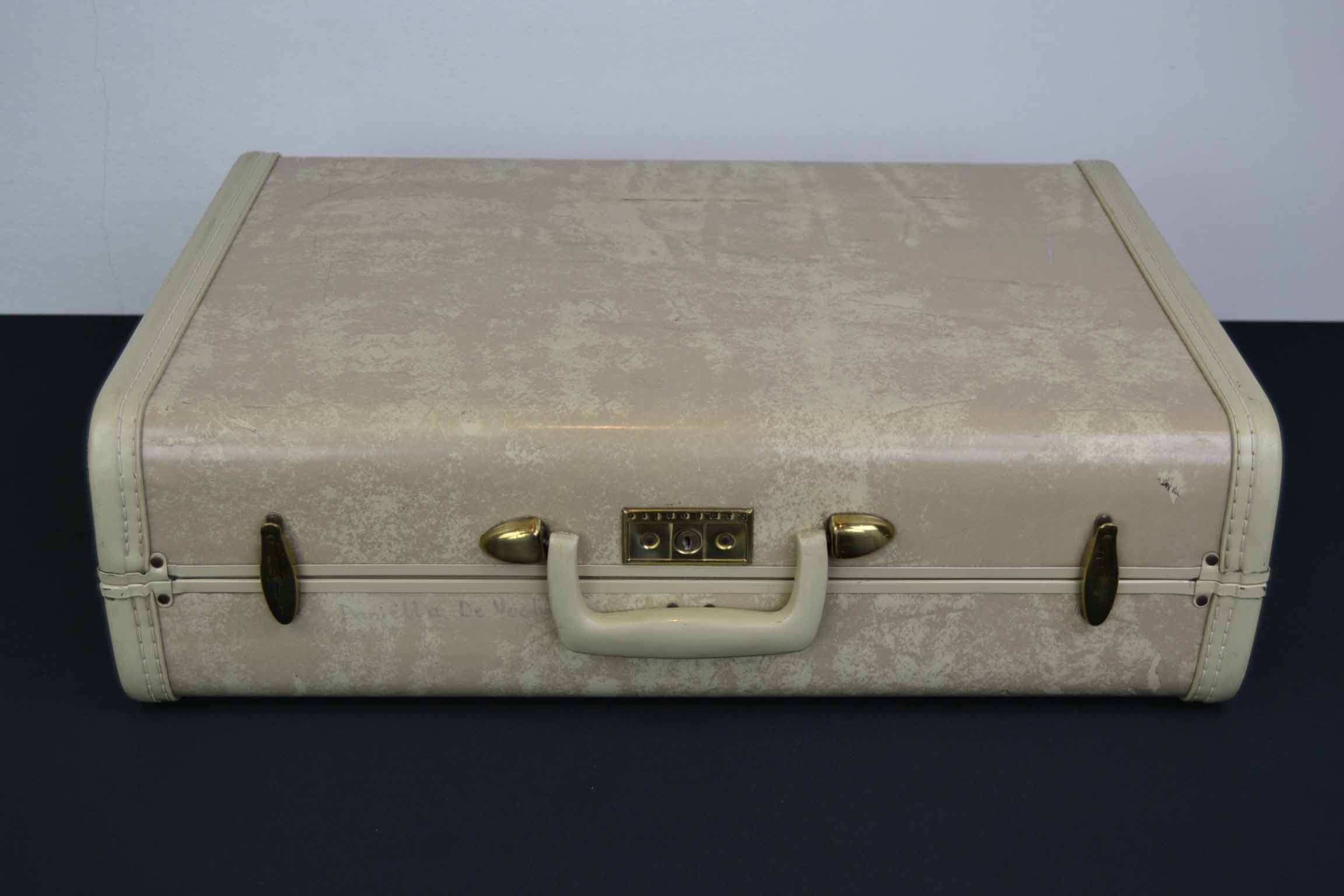
To date old Samsonite luggage, examine its labels, locks, and model numbers, then cross-reference those with the brand’s historical catalogues. The catch is that Samsonite has produced luggage for over a century, so you will need a keen eye for details and a basic understanding of the brand’s evolution to pinpoint the exact year. Whether you have inherited a vintage Samsonite suitcase or stumbled upon one at a flea market, these steps will help you unlock the history of these classic travel companions.
Step 1: Researching the Luggage
Before you can accurately date your vintage Samsonite luggage, it is essential to conduct thorough research. This step will help you gather valuable information about the different styles, materials, and markings used by Samsonite throughout its history.
Start by examining the exterior of your luggage for any identifying features. Look for labels, logos, or brand names that can provide clues about the specific line or collection. Samsonite has introduced numerous lines over the years, such as the iconic Streamlite, Silhouette, and Shwayder Trunk, each with its unique characteristics.
Next, examine the interior of your luggage. Check for any labels or markings that may indicate the production year or location. Some vintage Samsonite pieces may have a paper label or metal plate with this information. Keenly observe the typeface, logo design, and color scheme of these labels, as they can provide important hints about the time period in which your luggage was made.
Model numbers, product IDs, and stamped lock or key codes can also provide valuable information. Search for model numbers or product IDs on the warranty card or QR-code label, and check the lock body or nearby trim for stamped lock or key codes. Online resources can help match model numbers or product IDs to production periods.
Utilize online resources such as Samsonite's official website, vintage luggage forums, and collector communities to gather more information and compare your findings. These platforms often have comprehensive catalogues, historical timelines, and enthusiast discussions that can help you narrow down the production year and style of your luggage.
Another valuable resource for researching vintage Samsonite luggage is old advertisements and catalogues. These can provide insights into the design aesthetics, features, and prices of Samsonite's offerings during different periods. Online archives, libraries, or even local second-hand bookstores may have these materials available.
Remember, research is an ongoing process, and new information may come to light as you delve deeper into the world of vintage Samsonite luggage. So take your time, explore various sources, and gather as much knowledge as possible before moving on to the next step.
Step 2: Identifying the Age of the Samsonite Luggage
Once you have completed your research, it's time to put your detective skills to work in identifying the age of your Samsonite luggage. By examining specific details and characteristics, you can narrow down the production era and gain a deeper understanding of the luggage's history.
One of the primary indicators of age is the construction and materials used. Earlier Samsonite luggage models were typically made from durable materials such as vulcanized fiber, leather, or hard-sided cases. As time went on, Samsonite transitioned to using lighter and more innovative materials like lightweight polycarbonate or ballistic nylon.
Inspect the hardware on your luggage, such as locks, latches, and handles. Different eras of Samsonite luggage may feature variations in hardware design and functionality. Pay attention to the materials used, finishes, and the presence of any branding or logos. This can be a good indicator of the luggage's age.
Another clue that can help in dating your luggage is the external design and styling. Look for specific features like the shape of the suitcase, the presence of pockets or straps, and any distinctive patterns or colors used. These design elements may align with certain time periods or collections in Samsonite's history.
Keep in mind that Samsonite has gone through different branding changes throughout its history. The company's logo, tagline, and font choices may have evolved over time. Comparing these visual elements with your luggage can give you a rough estimate of its age.
If you are still unsure about the age of your Samsonite luggage, consulting with experts or experienced collectors can provide further guidance. There are many online communities, forums, and vintage luggage enthusiasts who can offer their expertise and insights based on their own experiences.
By combining your research with careful examination of the materials, design, hardware, and markings on your Samsonite luggage, you can begin to piece together the puzzle and determine its age. This knowledge will not only satisfy your curiosity but also add value and significance to your vintage travel companion.
Step 3: Cleaning and Restoring the Luggage
After identifying the age of your vintage Samsonite luggage, it's time to bring it back to its former glory through proper cleaning and restoration. This step is crucial to preserve the integrity of the luggage and enhance its aesthetic appeal.
Before diving into the cleaning process, assess the condition of your luggage. Determine if there are any visible stains, scuffs, or scratches on the exterior or interior surfaces. Note any damaged or missing hardware and evaluate the overall structural stability.
Start cleaning by gently vacuuming the exterior and interior with a soft brush attachment to remove loose dirt and debris. Avoid harsh chemicals or abrasive cleaners that may damage delicate materials or finishes.
For stains or spots on fabric or lining, spot clean using a mild detergent or a solution of water and vinegar. Test the cleaning solution on a small, inconspicuous area first to ensure it doesn't cause discoloration. Use a soft cloth or sponge and gently dab the affected area, avoiding vigorous rubbing.
For leather elements, use a specialized leather cleaner or conditioner to clean and restore suppleness. Apply the cleaner with a soft cloth or sponge, following the manufacturer's instructions. Allow the leather to dry naturally and apply a leather conditioner to prevent cracking and maintain luster.
If hardware is tarnished or dull, use metal polish or a mixture of baking soda and water to restore shine. Apply a small amount to a soft cloth and gently polish the hardware. Wipe away residue with a clean cloth and buff to a high shine.
If your vintage Samsonite luggage has damaged or missing hardware, consider seeking professional help for repair or replacement. A skilled luggage repair specialist can assess the damage and restore or replace necessary components, ensuring integrity and functionality.
Handle your vintage Samsonite luggage with care during cleaning and restoration. Avoid excessive force or pressure that may further damage delicate materials or affect structural integrity.
By carefully cleaning and restoring your vintage Samsonite luggage, you can revive its original beauty and ensure its longevity, enhancing both aesthetic value and functionality as a travel companion.
Step 4: Maintaining and Preserving the Luggage
Once you have cleaned and restored your vintage Samsonite luggage, implement a maintenance routine to preserve its condition and extend its lifespan. Proper maintenance protects the materials, prevents deterioration, and ensures your luggage remains a cherished piece.
Store your vintage Samsonite luggage in a dry, climate-controlled environment. Moisture can cause mold and mildew growth. Keep it away from direct sunlight to prevent fading and discoloration.
Regularly inspect the stitching, zippers, and handles for loose threads or weak points. Address minor issues promptly to prevent further damage and costly repairs.
Use protective covers or bags while in storage or during travel to prevent scratches, dust accumulation, and other damage.
Avoid overloading your vintage luggage beyond its recommended weight capacity. Overpacking strains materials and compromises the structure. Distribute contents evenly to alleviate stress.
When traveling, avoid dropping or throwing the luggage, as this can cause structural damage and break delicate hardware. Treat it as a valuable, fragile item.
Regularly clean your vintage Samsonite luggage to prevent dirt, dust, and stains. For fabric surfaces, vacuum and spot clean as mentioned in Step 3. For leather elements, regular conditioning prevents drying and cracking.
Lastly, appreciate and enjoy your vintage Samsonite luggage. Display it as a centerpiece or use it for special occasions to showcase its timeless elegance. The more care you give it, the longer it will charm and serve as a reminder of travel memories.
Step 5: Using and Displaying the Luggage
After researching, identifying, cleaning, restoring, and maintaining your vintage Samsonite luggage, it's time to showcase and utilize it. Here are ideas for using and displaying it:
1. Travel in style: Use your vintage Samsonite luggage on trips. Its timeless charm and durability make a statement while providing practical storage for your belongings.
2. Display as decor: Place it on a vintage suitcase rack, use it as a unique side table, or integrate it into your interior design as a conversation starter.
3. Organize with elegance: Store spare blankets, linens, or seasonal items inside the suitcase. This keeps belongings organized and adds character to your living space.
4. Create a unique photo prop: Incorporate the luggage into portrait sessions or themed photoshoots for a retro-inspired look. Its distinct design and colors add visual interest and evoke nostalgia.
5. Gift or heirloom: If you have multiple pieces or one with sentimental value, consider gifting it as a cherished heirloom. Passing down a piece of travel history creates a connection between generations.
Continue maintaining your vintage Samsonite luggage, even when using it for display. Regularly clean and inspect it to ensure its preservation and prolong its lifespan.
Conclusion
Congratulations! You have now learned the step-by-step process of dating, cleaning, restoring, maintaining, and utilizing your vintage Samsonite luggage. By examining labels, materials, construction, and branding, you can start to piece together the puzzle of its age and origin.
Cleaning and restoring your vintage Samsonite luggage enhances its aesthetic appeal and maintains its functionality and longevity. Taking proper care of the exterior, interior, hardware, and materials will ensure your luggage remains in excellent condition.
Maintaining and preserving your luggage involves storing it in a suitable environment, regularly inspecting for damage or wear, and using it with care during travel. By following these guidelines, you can protect your luggage from deterioration and maintain its value.
Lastly, utilizing and displaying your vintage Samsonite luggage allows you to showcase its timeless elegance. Whether traveling with it, incorporating it into home decor, or using it for storage, your luggage will serve as a reminder of a bygone era.
Embrace the rich history and craftsmanship of your vintage Samsonite luggage. With proper care, these pieces can withstand the test of time and become treasured heirlooms. So, continue to explore the world of vintage luggage, uncovering hidden gems and adding to your collection.
Related travel guides: Samsonite Luggage and Accessories, What Type Of Paint Can Be Used On Old Samsonite Hardsided Luggage, and How To Unlock My New Samsonite Luggage: A Guide.
