How To Clean The Inside Of A Backpack
Introduction
Whether you’re a frequent traveler or an occasional adventurer, your backpack plays a crucial role in your journeys. It carries your essentials, keeps your belongings safe, and accompanies you on countless trips. But after a while, even the most trustworthy backpacks can accumulate dirt, debris, and unpleasant odors. Cleaning the inside of your backpack is not only hygienic but also helps maintain its longevity.
In this guide, we will walk you through the step-by-step process of cleaning the inside of a backpack. From emptying the contents to spot cleaning and deep cleaning, we’ll cover everything you need to know to ensure your backpack is fresh and ready for your next adventure.
Before we dive into the cleaning process, it’s important to note that the method you choose may vary depending on the material and construction of your backpack. Always reference the manufacturer’s cleaning instructions if available. Additionally, avoid putting your backpack in a washing machine, as it may damage the fabric and components.
Now, let’s get started with the first step: emptying the backpack.
Step 1: Emptying the Backpack
The first and most crucial step in cleaning the inside of your backpack is to empty it completely. Remove all items, including clothing, accessories, and any loose debris that may be present.
Take this opportunity to assess the contents of your backpack. Sort through each item and decide if it needs to be discarded, washed, or returned to the backpack after cleaning. This will not only declutter your backpack but also give you a chance to evaluate what you really need to carry with you.
Once everything is removed, shake the backpack gently upside down to get rid of any loose dirt or debris. You may be surprised by the amount of crumbs, dust, and small particles that accumulate over time.
If you notice any stubborn debris stuck to the fabric, such as dirt or pet hair, use a lint roller, a piece of adhesive tape, or a soft brush to gently remove it. Be cautious not to apply too much pressure or use abrasive materials that could damage the fabric.
After emptying and thoroughly cleaning the outside of your backpack, it’s time to move on to the next step: removing loose debris from the interior.
Step 2: Removing Loose Debris
Once your backpack is emptied, it’s time to focus on removing any loose debris that may be lingering inside. This can include dirt, crumbs, lint, or any other small particles that have accumulated over time.
Start by turning your backpack upside down to allow any loose debris to fall out. Give it a few gentle shakes to encourage anything stuck to the walls or bottom to loosen up. You can also lightly tap the sides to dislodge any stubborn particles.
Next, use a handheld vacuum cleaner or a soft brush attachment to carefully vacuum the interior of your backpack. Make sure to reach all the corners, pockets, and crevices to ensure a thorough cleaning. Remember to use a low suction setting to prevent any damage to the fabric or lining of your backpack.
If you don’t have a vacuum cleaner, you can use a clean, dry cloth to wipe the interior of your backpack. Simply swipe the cloth along the inside walls to remove any remaining debris. Be sure to check the cloth frequently and shake it out to dispose of collected dirt.
For stubborn debris that cannot be removed with a vacuum or cloth, you can use a small handheld brush or a toothbrush. Gently scrub the affected areas in circular motions, paying extra attention to any spots or stains. Avoid using excessive force that may cause damage to the fabric or stitching.
Once you’ve successfully removed all the loose debris from the interior, it’s time to move on to the next step: spot cleaning.
Step 3: Spot Cleaning the Interior
After removing the loose debris from your backpack’s interior, you may notice some spots, stains, or odors that require spot cleaning. Spot cleaning is an effective way to target specific areas and ensure a thorough cleaning.
Before proceeding, always check the manufacturer’s instructions and the care label on your backpack. Different materials and fabrics may require specific cleaning products or methods, so it’s important to follow these guidelines to avoid damaging your backpack.
To begin spot cleaning, start by preparing a mild cleaning solution. You can mix a small amount of gentle detergent or dish soap with warm water in a bowl. Make sure the soap is thoroughly dissolved in the water before applying it to your backpack.
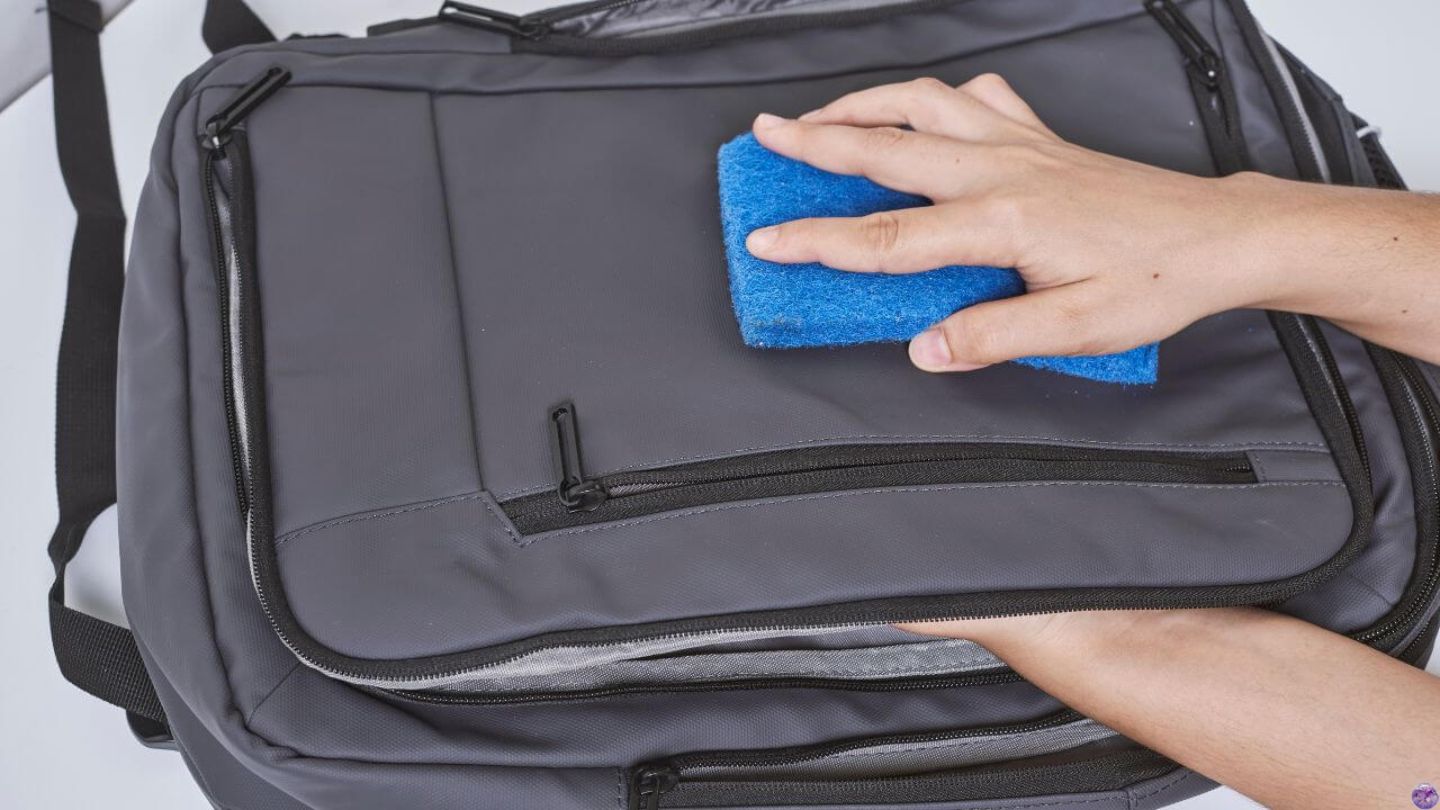
Using a clean microfiber cloth or sponge, dip it into the cleaning solution and gently wring out any excess liquid. You want the cloth to be damp, not dripping wet.
Next, carefully blot the stained or soiled area with the damp cloth. Avoid rubbing or scrubbing vigorously, as this can potentially damage the fabric. Instead, use gentle circular motions to lift the dirt or stain from the surface.
If you’re dealing with a particularly stubborn stain, you can use a soft-bristled brush, such as a toothbrush, to lightly scrub the area. Again, be cautious and apply minimal pressure to prevent damaging the fabric.
Once the spot is cleaned, use a clean, damp cloth to wipe away any excess soap residue. Rinse the cloth frequently and wring out any excess water to avoid saturating the material.
After spot cleaning, it’s important to let your backpack air dry. Hang it in a well-ventilated area, away from direct sunlight or heat sources. This will allow the interior to dry thoroughly and prevent the growth of mold or mildew.
Once your backpack is dry, you can move on to the next step: deep cleaning the interior.
Step 4: Deep Cleaning the Interior
Deep cleaning the interior of your backpack is essential for removing deep-seated dirt, stubborn stains, and odors that may have penetrated the fabric. This step will help refresh your backpack and leave it smelling clean and ready for your next adventure.
For fabric backpacks, start by referring to the manufacturer’s instructions and care label to determine the recommended cleaning method. If there are no specific instructions, you can proceed with the following general deep-cleaning process.
Begin by preparing a gentle cleaning solution. You can mix a small amount of mild detergent or laundry soap with warm water in a basin or bathtub. Make sure the soap is fully dissolved in the water before proceeding.
Submerge your backpack in the cleaning solution, ensuring that the interior is fully soaked. Gently agitate the backpack to help loosen any dirt or stains.
Allow the backpack to soak for at least 30 minutes, or longer for more stubborn stains or odors. This will give the cleaning solution ample time to break down dirt and grime.
After soaking, use a soft brush or sponge to gently scrub the interior of your backpack. Pay close attention to any particularly dirty or stained areas, gently working the cleaning solution into the fabric.
Once you’re satisfied with the scrubbing, drain the soapy water and refill the basin or bathtub with clean warm water. Rinse the backpack by agitating it in the clean water, ensuring that all soap residue is removed.
Repeat the rinsing process if necessary until the water runs clear and there are no signs of soapy residue.
After rinsing, gently squeeze out any excess water from the backpack. Avoid wringing or twisting the fabric, as this may damage its structure.
Finally, hang your backpack in a well-ventilated area to air dry completely. Ensure that it is not exposed to direct sunlight or heat sources, as this can cause fading or damage to the fabric.
Once your backpack is thoroughly dry, you can proceed to the final step: drying the backpack.
Step 5: Drying the Backpack
Properly drying your backpack is vital to prevent mold, mildew, and unpleasant odors. After deep cleaning the interior, the drying process ensures that your backpack is fully ready for future use.
First, check if there are any removable parts such as straps, padding, or frames that need to be dried separately. These can usually be detached according to the manufacturer’s instructions. If so, set them aside to dry separately.
To begin the drying process, gently squeeze out any excess water from the interior of your backpack. Be careful not to wring or twist the fabric, as this may damage its structure.
Next, use a clean, dry towel or cloth to absorb any remaining moisture from the interior walls and pockets. Press the towel against the fabric to wick away the moisture.
Once the excess moisture is absorbed, leave your backpack open and in an upright position to allow air circulation. This will help expedite the drying process. If possible, place the backpack in a well-ventilated area with good airflow.
Avoid exposing your backpack to direct sunlight or heat sources, as this can cause fading or damage to the fabric. Instead, opt for a shaded spot to dry your backpack.
If you’re in a hurry or want to speed up the drying process, you can use a fan or set up a gentle breeze by opening windows or using a portable fan.
Monitor the drying progress periodically. Depending on the size of the backpack and the humidity level, it can take several hours or even overnight for the interior to fully dry.
Once you’re confident that the interior is completely dry, you can reattach any removable parts and close your backpack.
Finally, give your backpack a quick inspection to ensure that it’s clean, fresh-smelling, and ready for your next adventure.
With these steps, you’ve successfully cleaned and dried the interior of your backpack. By taking the time to maintain and care for your backpack, you can extend its lifespan and keep it in excellent condition for future use.
Remember to periodically clean and inspect your backpack to prevent the buildup of dirt, stains, and odors. Regular maintenance will not only keep your backpack looking and smelling great but also ensure you’re always prepared for your next travel adventure.
Happy travels!
Conclusion
Cleaning the inside of your backpack is an essential task for maintaining its hygiene, durability, and freshness. By following the step-by-step process outlined in this guide, you can ensure that your backpack is clean, free from debris, and ready for your next adventure.
Remember to start by emptying your backpack and removing any loose debris. This will provide a clean slate for the spot cleaning and deep cleaning processes. Spot cleaning targets specific stains or odors, while deep cleaning involves submerging and scrubbing the interior of your backpack.
After cleaning, drying the backpack thoroughly is crucial. Proper drying prevents the growth of mold, mildew, and unpleasant odors. Allow your backpack to air dry in a well-ventilated area, avoiding direct sunlight and heat sources.
Regularly cleaning the inside of your backpack not only ensures its longevity but also contributes to your overall comfort and satisfaction while traveling. A clean backpack means your belongings will stay fresh and protected throughout your journeys.
Don’t forget to check the manufacturer’s instructions and care label for specific cleaning guidelines for your backpack. Different materials may require different methods or products, so it’s essential to follow these instructions to avoid damage.
By incorporating these cleaning practices into your routine, you can enjoy the benefits of a clean and well-maintained backpack for years to come. So, take the time to give your backpack the attention it deserves, and get ready to embark on new adventures with a fresh, clean companion.
Happy travels!