

Day Hike Packing List
Introduction
Preparing for a day hike can be an exciting yet daunting task. Whether you’re a seasoned hiker or a beginner, having the right travel essentials and accessories is key to a successful and enjoyable hiking experience. From gear that keeps you safe and comfortable to items that enhance your overall adventure, there are several important things to consider when packing for a day hike.
When embarking on a day hike, it’s essential to be well-prepared and equipped with the necessary gear to ensure your safety and maximize your comfort. This article will guide you through a comprehensive list of travel essentials and accessories that should be on your packing list for a day hike. By having these items with you, you’ll be ready to tackle any terrain and enjoy the beauty of nature while staying prepared for any challenges along the way.
Before we dive into the specific items to include in your day hike packing list, it’s important to consider the duration and difficulty level of your hike. This will help you determine the appropriate gear and ensure that you have everything you need for a successful adventure. Additionally, always check the weather forecast and any specific trail requirements or regulations before heading out.
No matter where you’re hiking, there are several essential gear items that should always be included in your day hike packing list. These items will help you navigate, stay safe, and handle emergencies on the trail. Let’s explore them in more detail.
Essential Gear
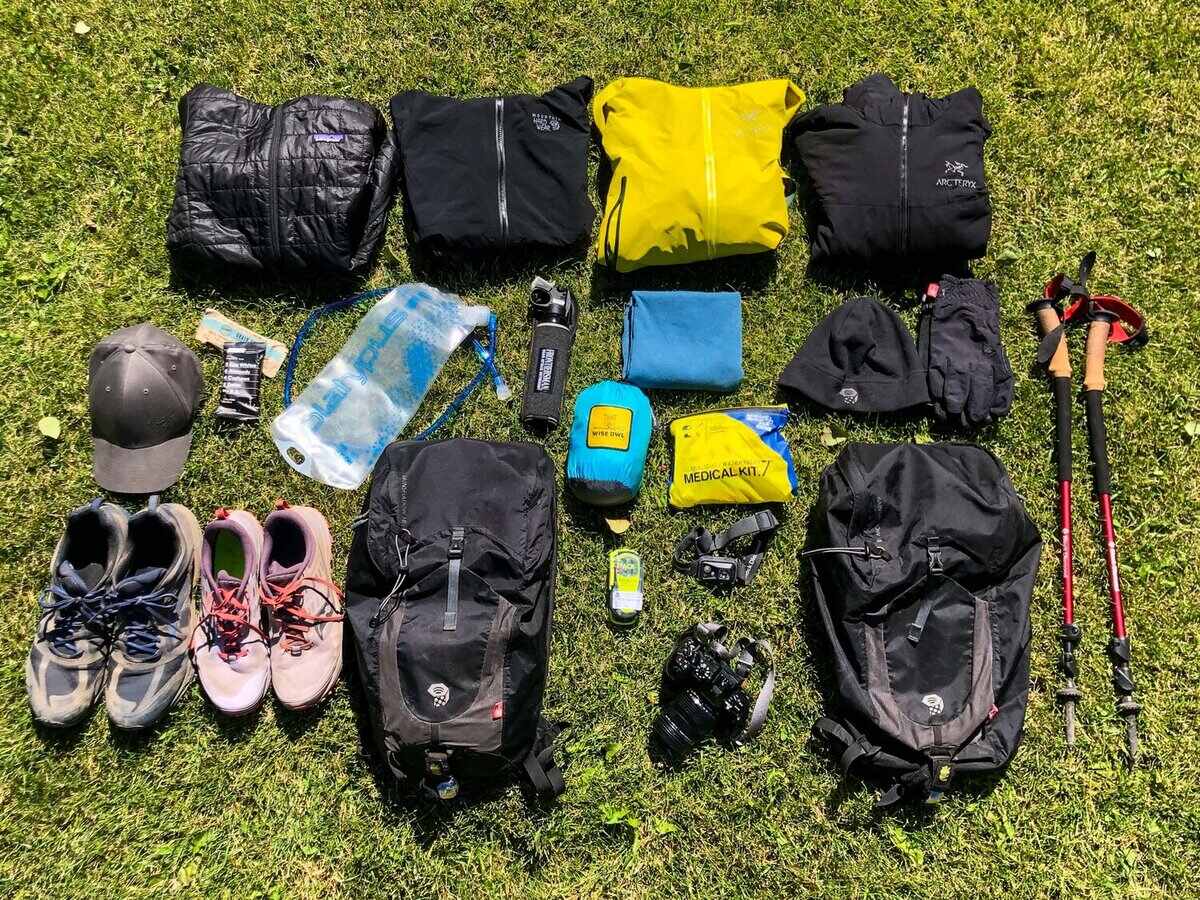
When it comes to day hiking, having the right gear is crucial for a safe and enjoyable experience. Here are some essential items that should be on your packing list:
- Backpack: A comfortable backpack with a capacity of around 20-30 liters is ideal for carrying all your essentials. Look for one with a supportive hip belt and adjustable shoulder straps for added comfort.
- Hiking Boots or Shoes: Invest in a good pair of hiking boots or shoes that provide ankle support and have sturdy soles for traction on various terrains. Make sure they are broken in before your hike to avoid blisters.
- Trekking Poles: Trekking poles help to reduce strain on your joints and provide stability, especially when hiking on steep or uneven trails.
- Headlamp or Flashlight: A reliable headlamp or flashlight is essential in case you find yourself hiking after dark or in low-light conditions.
- Navigation Tools: Carry a map and compass, or a GPS device, to help you navigate and stay on the right trail.
- Sun Protection: Protect yourself from the sun’s harmful rays by wearing sunscreen, sunglasses, and a wide-brimmed hat.
- Multi-tool: A multi-tool can come in handy for various tasks, such as repairing gear or opening food packages.
- Extra Clothing Layers: Pack an extra pair of socks, a lightweight jacket, and a rain poncho, even if the weather seems favorable. Weather conditions can change quickly on the trail.
- Whistle: A whistle is a simple yet effective tool to alert others in case of an emergency or if you need help.
These essential gear items will ensure your safety, comfort, and overall enjoyment during your day hike. Next, let’s move on to the clothing items you should consider packing.
Clothing
Choosing the right clothing for your day hike is essential to stay comfortable and protected from the elements. Here are some clothing items to include on your packing list:
- Moisture-Wicking Base Layers: Start with a moisture-wicking base layer, consisting of a lightweight and breathable shirt and pants or shorts. This will help keep you dry and prevent chafing.
- Hiking Pants or Shorts: Opt for hiking pants or shorts that are durable, quick-drying, and provide freedom of movement. Look for options with zip-off legs for versatility in changing weather conditions.
- Insulating Mid-Layers: Depending on the temperature, include a fleece jacket or a lightweight down jacket to provide warmth when needed.
- Outer Shell: Pack a waterproof and windproof jacket or shell to protect yourself from rain, wind, and sudden changes in weather.
- Hat and Gloves: A lightweight and breathable hat will shield you from the sun, while gloves will keep your hands warm in colder temperatures.
- Extra Socks: Pack an extra pair of moisture-wicking socks to keep your feet dry and help prevent blisters. Consider wool or synthetic blend socks for better performance.
It’s essential to dress in layers, even if it’s warm at the start of your hike. As you exert yourself and the temperature changes throughout the day, you can easily add or remove layers to regulate your body temperature and stay comfortable.
Additionally, avoid cotton clothing as it holds moisture and can make you feel cold and uncomfortable. Opt for synthetic or merino wool fabrics that wick away sweat and dry quickly. Don’t forget to check the weather forecast before your hike and pack accordingly, adjusting your clothing choices based on the expected conditions.
Now that we have covered the essential clothing items, let’s move on to the next section – footwear.
Footwear
Choosing the right footwear is crucial for a comfortable and safe day hike. Here are some considerations when selecting hiking footwear:
- Hiking Boots: If you’re planning to tackle rugged terrain or hike in wet conditions, opt for sturdy hiking boots that provide ankle support. Look for boots with a waterproof and breathable membrane to keep your feet dry.
- Hiking Shoes: If you’ll be hiking on well-maintained trails or prefer a lighter option, hiking shoes are a great choice. They offer more flexibility and can be ideal for less challenging terrain.
- Trail Runners: For experienced hikers and those looking for even more flexibility and lightness, trail runners can be a suitable option. They provide excellent traction and are ideal for shorter or less demanding hikes.
Whichever footwear you choose, make sure it fits well and provides enough support to avoid discomfort and potential injuries. It’s advisable to try on different pairs of shoes or boots and walk around to ensure the right fit before purchasing.
In addition to your footwear choice, wearing the right socks is equally important. Look for moisture-wicking and cushioned socks that provide support and prevent blisters. Consider wearing liner socks under your hiking socks for added comfort and blister prevention.
Remember, it’s crucial to break in your hiking footwear before your hike to avoid painful blisters and discomfort on the trail. Wear them on shorter walks or hikes to get used to their fit and feel.
Now that we’ve covered clothing and footwear, let’s move on to the next section – navigation.
Navigation
Proper navigation is essential during a day hike to stay on the right trail and prevent getting lost. Here are some navigation tools to include in your packing list:
- Map and Compass: Carry a detailed map of the hiking area and a reliable compass. Familiarize yourself with the route beforehand and use these tools to navigate and stay on track.
- GPS Device: A handheld GPS device can be a useful backup for navigation. Load the necessary maps and waypoints, and make sure you know how to use it.
- Hiking App or GPS App: Use hiking apps or GPS apps on your smartphone as a supplemental navigation tool. Ensure you have downloaded offline maps in case of limited or no signal on the trail.
- Trail Markings and Signs: Pay attention to trail markings, signs, and any information boards along the trail. These will help you stay on the designated path and avoid taking wrong turns.
Before your hike, study the trail map, familiarize yourself with the route, and make note of any important junctions or landmarks. It’s helpful to have a trail description or guidebook to refer to during your hike.
While navigation tools are crucial, it’s important to rely on your instincts and be observant of your surroundings. Pay attention to distinctive natural features, such as mountains, rivers, or rock formations, to confirm you’re on the right track.
Remember, even with navigation tools, unexpected situations can arise. Always exercise caution and make decisions based on safety. If you’re uncertain about your location, backtrack to a familiar spot or seek assistance from fellow hikers or park rangers.
With proper navigation tools and situational awareness, you can confidently navigate your way through the trail and enjoy your day hike. Next, let’s move on to the section on food and water.
Food and Water
Proper hydration and nourishment are key to maintaining your energy levels during a day hike. Here are some tips for packing food and water:
- Water: Carry an adequate amount of water to stay hydrated throughout your hike. The amount will vary depending on the weather and intensity of your hike, but a general guideline is to aim for at least 2 liters of water per person. Consider using a hydration bladder or water bottles to easily access and sip water along the trail.
- Snacks: Pack lightweight, energy-rich snacks to keep yourself fueled. Trail mix, granola bars, dried fruit, and nuts are convenient options that provide quick energy. Don’t forget to bring a small resealable bag for any waste.
- Lunch: If your hike is long or strenuous, plan for a nutritious lunch to refuel. Sandwiches, wraps, or pre-cooked meals that can be eaten cold are good choices. Opt for foods that won’t spoil easily and consider any dietary restrictions or preferences.
- Electrolyte Supplements: In addition to water, consider carrying electrolyte supplements or sports drinks to replenish electrolytes lost through sweating, especially in hot and humid conditions.
It’s important to start hydrating and snacking before you feel thirsty or hungry. Take regular breaks to rest and refuel, and listen to your body’s signals.
Remember to pack your food and snacks in sealed containers or resealable bags to avoid attracting wildlife and prevent any littering on the trail. Leave no trace by carrying out your waste and disposing of it properly.
Now that you’re fueled up and hydrated, let’s move on to the next section – first aid.
First Aid
Having a well-stocked first aid kit is essential for any outdoor adventure, including day hikes. Here are some items to include in your first aid kit:
- Adhesive Bandages: Pack a variety of adhesive bandages in different sizes to cover small cuts, blisters, or abrasions.
- Gauze Pads and Tape: Include sterile gauze pads and adhesive tape for larger wounds or to secure dressings.
- Antiseptic Wipes or Solution: Carry antiseptic wipes or a small bottle of antiseptic solution to clean cuts and prevent infection.
- Pain Relievers: Include over-the-counter pain relievers such as acetaminophen or ibuprofen for headaches, muscle soreness, or minor injuries.
- Allergy Medication: If you’re prone to allergies or insect bites, pack an antihistamine medication to relieve symptoms.
- Blister Treatment: Include blister treatment pads or moleskin to protect and cushion any areas prone to blisters.
- Tweezers and Splinter Remover: Carry tweezers to remove splinters, thorns, or ticks.
- Emergency Contact Information: Keep a note with emergency contact numbers and any relevant medical information.
It’s important to have basic knowledge of first aid and how to use the items in your kit. Consider taking a first aid and CPR course to equip yourself with the necessary skills for handling common injuries and emergencies.
Additionally, customize your first aid kit based on personal needs and any specific medical conditions or medications you may require. Regularly check and replenish your first aid supplies to ensure everything is up-to-date and in working condition.
Remember, a first aid kit is meant to provide initial care and temporary solutions. In the case of a serious injury or medical emergency, seek professional help immediately by contacting emergency services or park rangers.
With a well-prepared first aid kit, you can handle minor injuries and ensure the safety of yourself and your hiking companions. Next, let’s move on to the section on emergency shelter.
Emergency Shelter
Carrying a lightweight emergency shelter is crucial in case of unexpected situations or changes in weather conditions during your day hike. Here are some options for emergency shelter:
- Emergency Bivvy or Blanket: Pack an emergency bivvy or space blanket, which are compact and designed to reflect body heat and provide insulation.
- Tarp or Lightweight Tent: Consider carrying a compact tarp or a lightweight tent that can be easily set up to shield you from rain, wind, or cold temperatures.
- Emergency Shelter Tent: These tents are specifically designed for emergency situations and are lightweight, compact, and easy to set up.
- Emergency Poncho: A waterproof emergency poncho can also double as a makeshift shelter by providing some protection from the elements.
When choosing an emergency shelter, consider factors such as size, weight, ease of setup, and suitability for the conditions you may encounter on your hike.
While it’s important to hope for the best, being prepared for unexpected situations can make all the difference. In case you find yourself lost, injured, or stranded, having a reliable emergency shelter can provide essential protection and increase your chances of survival until help arrives.
Remember to practice setting up your emergency shelter before your hike to ensure you are familiar with its assembly and can set it up quickly if needed.
Now that we’ve covered emergency shelter, let’s move on to the section on personal items.
Personal Items
In addition to the essential gear and safety items, don’t forget to pack some personal items that can enhance your comfort and enjoyment during your day hike. Here are some personal items to consider:
- Sunscreen: Protect your skin from harmful UV rays by applying sunscreen before you hit the trail and reapplying as needed.
- Insect Repellent: Depending on the location and season, insects can be a nuisance. Carry insect repellent to ward off mosquitoes, ticks, and other pests.
- Lip Balm: Keep your lips hydrated and protected by carrying a lip balm with SPF.
- Hand Sanitizer: It’s always good to have hand sanitizer to clean your hands before eating or after using the restroom, especially when water is not readily available.
- Tissues or Toilet Paper: Pack a small amount of tissues or toilet paper for hygiene needs on the trail.
- Personal Medications: If you take any prescription medications, make sure to bring them along and carry them in a secure and easily accessible place.
- Camera or Smartphone: Capture the breathtaking views and memorable moments by bringing a camera or using your smartphone. Just be mindful of keeping them protected from moisture and damage.
- Cash and Identification: Carry some cash and your identification for any unforeseen circumstances or emergencies.
- Extra Plastic Bags: Have a few spare plastic bags for storing trash, wet or dirty clothes, or for any other needs that arise.
These personal items may seem small, but they can greatly enhance your comfort and convenience during your day hike. Remember to pack them in a lightweight and waterproof bag or pouch to keep them organized and protected.
Now that we’ve covered personal items, let’s move on to the optional gear section, which includes additional items you may consider packing.
Optional Gear
In addition to the essential gear and personal items, there are some optional items that you may choose to include in your day hike packing list. These items can add convenience, comfort, or extra functionality to your hiking experience. Here are some optional gear suggestions:
- Hiking Poles: Hiking poles provide additional stability and can help reduce stress on your knees and joints, especially when hiking on uneven terrain or steep slopes. They can also assist in navigating stream crossings or providing support during challenging sections.
- Camera Tripod: If you’re passionate about photography and want to capture stunning landscape shots or long-exposure images, a lightweight and compact camera tripod can be a valuable addition.
- Binoculars: Binoculars allow you to observe wildlife, admire distant views, or simply enhance your overall hiking experience by bringing distant objects closer.
- Portable Power Bank: If you plan to use your smartphone for navigation, photography, or as a backup communication device, carrying a portable power bank ensures you have additional battery life in case of emergencies.
- Sit Pad or Cushion: Having a lightweight sit pad or cushion can provide a comfortable seating option during breaks or when you want to rest and enjoy the scenery.
- Portable Snack or Meal Prep: If you prefer homemade or specific dietary options, consider bringing a compact food container or a portable stove to prepare your own snacks or meals along the trail.
- Trekking Gaiters: Gaiters are protective coverings worn over your boots or shoes to keep debris, rocks, or water from entering. They can be particularly useful when hiking in muddy or snowy conditions.
- Portable Bluetooth Speaker: If you enjoy listening to music or podcasts while hiking, a portable Bluetooth speaker can enhance your mood and keep you entertained on the trail. Just be considerate of other hikers and the natural surroundings.
While these items are optional, they can enhance your hiking experience based on personal preferences and needs. Consider the specific requirements of your hike, the duration, and the terrain you will be encountering when deciding which optional gear to include.
Now that we’ve covered all the essential gear, personal items, and optional gear, you’re equipped with a comprehensive packing list for your day hike. Remember to adapt the list based on your individual needs, the trail’s difficulty level, and the expected weather conditions. Stay safe, enjoy the outdoors, and have a fantastic adventure!
If you have any further questions or require more information, feel free to ask. Happy hiking!
Conclusion
Preparing for a day hike requires careful consideration of the travel essentials and accessories that will enhance your comfort, safety, and overall enjoyment on the trail. By packing the right gear, clothing, footwear, and navigation tools, you can embark on your hiking adventure with confidence and be prepared for any challenges that may arise.
Essential gear such as a backpack, hiking boots or shoes, and navigation tools will help you navigate the trail and ensure a smooth hike. Clothing layers appropriate for the weather conditions, along with proper footwear, will keep you comfortable and protected from the elements. Carrying enough water, snacks, and a first aid kit is essential for maintaining hydration, energy levels, and handling minor injuries. Additionally, personal items and optional gear can enhance your comfort, convenience, and overall experience on the trail.
Remember to always check weather conditions, follow trail regulations, and inform someone about your hiking plans before setting out. Being prepared and well-equipped will not only ensure your safety but also allow you to fully appreciate the beauty of nature.
As you embark on your day hike, keep in mind the principles of Leave No Trace, respecting and preserving the natural environment for future generations of hikers to enjoy. Pack out your waste, stay on designated trails, and be mindful of wildlife and their habitats.
Lastly, stay alert, observe your surroundings, and have fun! Enjoy the scenic views, the fresh air, and the sense of accomplishment that comes with conquering a trail. Remember, hiking is not just about reaching the destination but also about immersing yourself in the journey and reconnecting with nature.
So, gather your gear, lace up your boots, and embark on an unforgettable day hike. Happy trails!
