Winter Wildlife Migrations In Wyoming’s Pronghorn Path
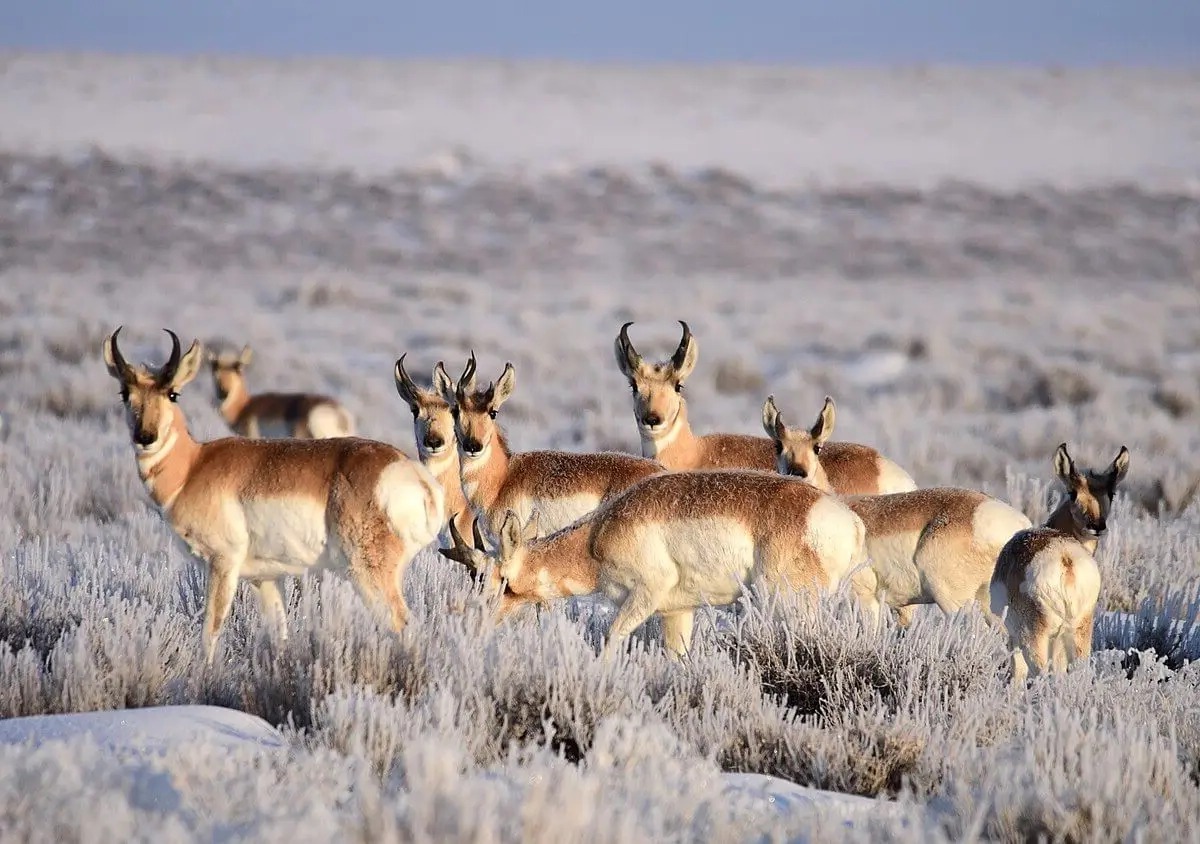
Have you ever wondered where Wyoming's pronghorns go during winter? These amazing animals embark on one of the longest migrations in North America. Each year, thousands of pronghorns travel over 150 miles from Grand Teton National Park to the Green River Basin. This journey is not just a simple stroll; they face harsh weather, predators, and human-made obstacles. Yet, they persist, driven by the need to find food and shelter. Understanding winter wildlife migrations in Wyoming helps us appreciate the resilience of these creatures and the importance of preserving their natural habitats. Ready to learn more about their incredible trek?
Winter Wildlife Migrations in Wyoming's Pronghorn Path
Wyoming's vast landscapes transform into a winter wonderland, becoming a stage for one of nature's most spectacular events: wildlife migrations. Among these, the pronghorn migration stands out as a breathtaking phenomenon. Let's explore some key spots to witness this incredible journey.
Key Spots to Witness Pronghorn Migration
1. Grand Teton National Park
Grand Teton National Park offers a front-row seat to the pronghorn migration. As winter approaches, these swift creatures travel from the park's high elevations to lower, more hospitable grounds. The park's diverse terrain provides ample opportunities to observe pronghorns in their natural habitat.
2. National Elk Refuge
Located just outside Jackson, the National Elk Refuge is another prime location. While primarily known for its large elk population, the refuge also serves as a corridor for migrating pronghorns. Visitors can witness these animals as they navigate through the refuge's open fields and rolling hills.
3. Green River Basin
The Green River Basin is a critical wintering area for pronghorns. This expansive region offers a mix of sagebrush and grasslands, providing essential forage during the harsh winter months. Wildlife enthusiasts can often spot large herds moving through the basin, making it a must-visit spot.
4. Red Desert
The Red Desert, with its unique landscape, is another key area for pronghorn migration. This arid region becomes a haven for pronghorns seeking milder winter conditions. The desert's open spaces make it easier to spot these animals as they traverse the terrain.
5. Wind River Range
The Wind River Range, known for its rugged beauty, also plays a role in the pronghorn migration. As snow blankets the higher elevations, pronghorns descend to the lower valleys. The range's diverse ecosystem supports a variety of wildlife, making it a great spot for observing multiple species.
6. Bridger-Teton National Forest
Bridger-Teton National Forest offers a mix of forested areas and open meadows, creating an ideal environment for migrating pronghorns. The forest's extensive network of trails provides numerous vantage points for wildlife viewing, making it a popular destination for nature lovers.
7. Seedskadee National Wildlife Refuge
Seedskadee National Wildlife Refuge, located along the Green River, is a lesser-known gem for pronghorn migration. The refuge's wetlands and riparian areas offer a unique habitat for these animals during their journey. Birdwatchers will also appreciate the diverse avian species that call this refuge home.
8. Bighorn Basin
The Bighorn Basin, with its mix of grasslands and shrublands, is another important area for pronghorns. This region provides crucial winter forage, attracting large herds. The basin's open landscape offers excellent visibility for spotting pronghorns and other wildlife.
9. Shoshone National Forest
Shoshone National Forest, the first national forest in the United States, is a historic and scenic location for observing pronghorn migration. The forest's varied terrain, from dense woods to open meadows, supports a diverse range of wildlife, including pronghorns.
10. Pathfinder National Wildlife Refuge
Pathfinder National Wildlife Refuge, situated around Pathfinder Reservoir, is a vital wintering ground for pronghorns. The refuge's mix of wetlands and uplands provides essential resources for these animals. Visitors can enjoy the serene landscape while observing the migration.
11. Medicine Bow National Forest
Medicine Bow National Forest, with its picturesque landscapes, is another key spot for pronghorn migration. The forest's combination of high-altitude meadows and lower valleys offers a variety of habitats for wildlife. Winter visitors can often see pronghorns moving through the forest's open areas.
12. Thunder Basin National Grassland
Thunder Basin National Grassland, known for its vast prairies, is a crucial area for pronghorns during their winter migration. The grassland's open spaces and abundant forage make it an ideal location for observing large herds. The area's remote beauty adds to the experience.
Witnessing Wyoming's Winter Wonders
Wyoming's pronghorn migration is a sight to behold. These animals travel over 150 miles, showcasing nature's resilience. Winter brings unique challenges, but the pronghorns' journey is a testament to their strength and adaptability. Observing this migration offers a rare glimpse into the lives of these incredible creatures.
For those planning a visit, remember to respect the wildlife and their habitat. Keep a safe distance, use binoculars for a closer look, and follow local guidelines. Winter in Wyoming can be harsh, so dress warmly and prepare for changing weather conditions.
Whether you're a seasoned wildlife enthusiast or a curious traveler, witnessing the pronghorn migration is an unforgettable experience. It connects you to the natural world in a profound way, reminding us of the beauty and complexity of life on Earth. Don't miss the chance to see this remarkable event.