

Secrets Of Yellowstone’s Thermal Spring Bacterial Mats
Have you ever wondered what gives Yellowstone's thermal springs their vibrant colors? The answer lies in the bacterial mats that thrive in these extreme environments. These mats are home to various microorganisms, each contributing to the stunning hues you see. From the fiery reds and oranges to the cool blues and greens, these colors are more than just eye candy; they tell a story of survival and adaptation. In this blog post, we'll dive into the science behind these fascinating bacterial mats, exploring how they live, what they do, and why they matter. Get ready to see Yellowstone's thermal springs in a whole new light!
The Wonders of Yellowstone's Thermal Springs
Yellowstone National Park is famous for its stunning landscapes and geothermal features. Among these, the thermal springs stand out not just for their beauty but also for the unique bacterial mats that thrive in these extreme environments. These mats are not just colorful; they are a testament to the resilience of life.
What Are Bacterial Mats?
Bacterial mats are layers of microorganisms that form on the surfaces of thermal springs. These mats are often brightly colored due to the presence of different types of bacteria, each adapted to specific temperature ranges and chemical conditions. Let's dive into some of the most fascinating bacterial mats found in Yellowstone.
1. Grand Prismatic Spring
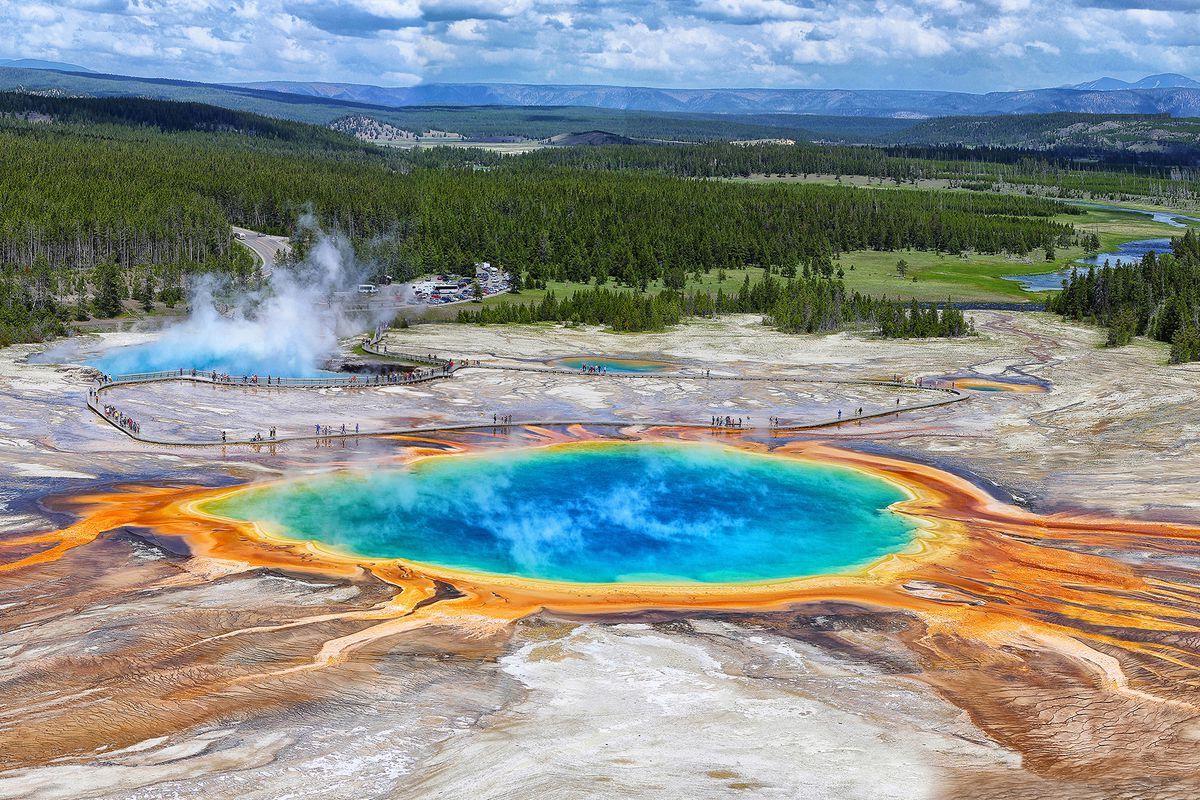
Grand Prismatic Spring is the largest hot spring in the United States and the third largest in the world. Its vivid colors are due to microbial mats that thrive in the mineral-rich water. The center of the spring is sterile due to extreme heat, but the edges teem with life. The blue center transitions to green, yellow, orange, and red as the temperature decreases, each color representing different bacterial communities.
2. Mammoth Hot Springs
Mammoth Hot Springs is known for its terraced formations created by the deposition of calcium carbonate. The bacterial mats here are less colorful but equally fascinating. They form intricate patterns on the terraces, contributing to the ever-changing landscape. The bacteria here are adapted to high levels of calcium and other minerals, making them unique.
3. Norris Geyser Basin
Norris Geyser Basin is one of the hottest and most acidic geothermal areas in Yellowstone. The bacterial mats here are adapted to extreme conditions that would be inhospitable to most life forms. These mats are often white or pale yellow, indicating the presence of sulfur-oxidizing bacteria. The basin's dynamic environment means that the bacterial communities are constantly changing.
4. Firehole River
The Firehole River is heated by numerous hot springs and geysers, creating a unique habitat for bacterial mats. These mats form on the riverbed and are often green or brown. The bacteria here are adapted to fluctuating temperatures and water flow, making them some of the most resilient organisms in Yellowstone.
5. West Thumb Geyser Basin
West Thumb Geyser Basin is located on the shores of Yellowstone Lake. The bacterial mats here are influenced by both geothermal activity and the lake's cold waters. This creates a unique environment where different types of bacteria coexist. The mats are often green or orange, depending on the temperature and mineral content of the water.
6. Fountain Paint Pot
Fountain Paint Pot is known for its bubbling mud pots and colorful hot springs. The bacterial mats here are adapted to the acidic conditions created by the sulfuric acid in the water. These mats are often white or gray, indicating the presence of acidophilic bacteria. The constantly changing conditions make this a dynamic environment for microbial life.
7. Midway Geyser Basin
Midway Geyser Basin is home to some of the most iconic hot springs in Yellowstone, including the Excelsior Geyser Crater. The bacterial mats here are brightly colored, with shades of orange, yellow, and green. These colors are due to different types of thermophilic bacteria, each adapted to specific temperature ranges. The basin's high temperatures and mineral-rich waters create a unique habitat for these resilient organisms.
8. Biscuit Basin
Biscuit Basin is a lesser-known geothermal area but is home to some fascinating bacterial mats. The mats here are often green or brown, indicating the presence of photosynthetic bacteria. These bacteria are adapted to the basin's high temperatures and mineral content, making them an essential part of the ecosystem.
Yellowstone's Hidden Wonders
Yellowstone's thermal spring bacterial mats are more than just colorful sights. They are living ecosystems that reveal much about our planet's history and its potential future. These mats thrive in extreme conditions, offering clues about early life on Earth. They also help scientists understand how life might exist on other planets. Visiting Yellowstone, you get to witness these natural wonders up close. The vibrant colors and unique formations are a testament to nature's creativity. Next time you explore Yellowstone, take a moment to appreciate these incredible bacterial mats. They are a reminder of the hidden wonders that exist in our world, waiting to be discovered. Whether you're a science enthusiast or just love nature, Yellowstone's thermal springs offer something truly special. So pack your bags, grab your camera, and get ready to be amazed by the secrets of Yellowstone.
