

Secrets Of Wyoming’s Fort Laramie Trail Stone Foundations
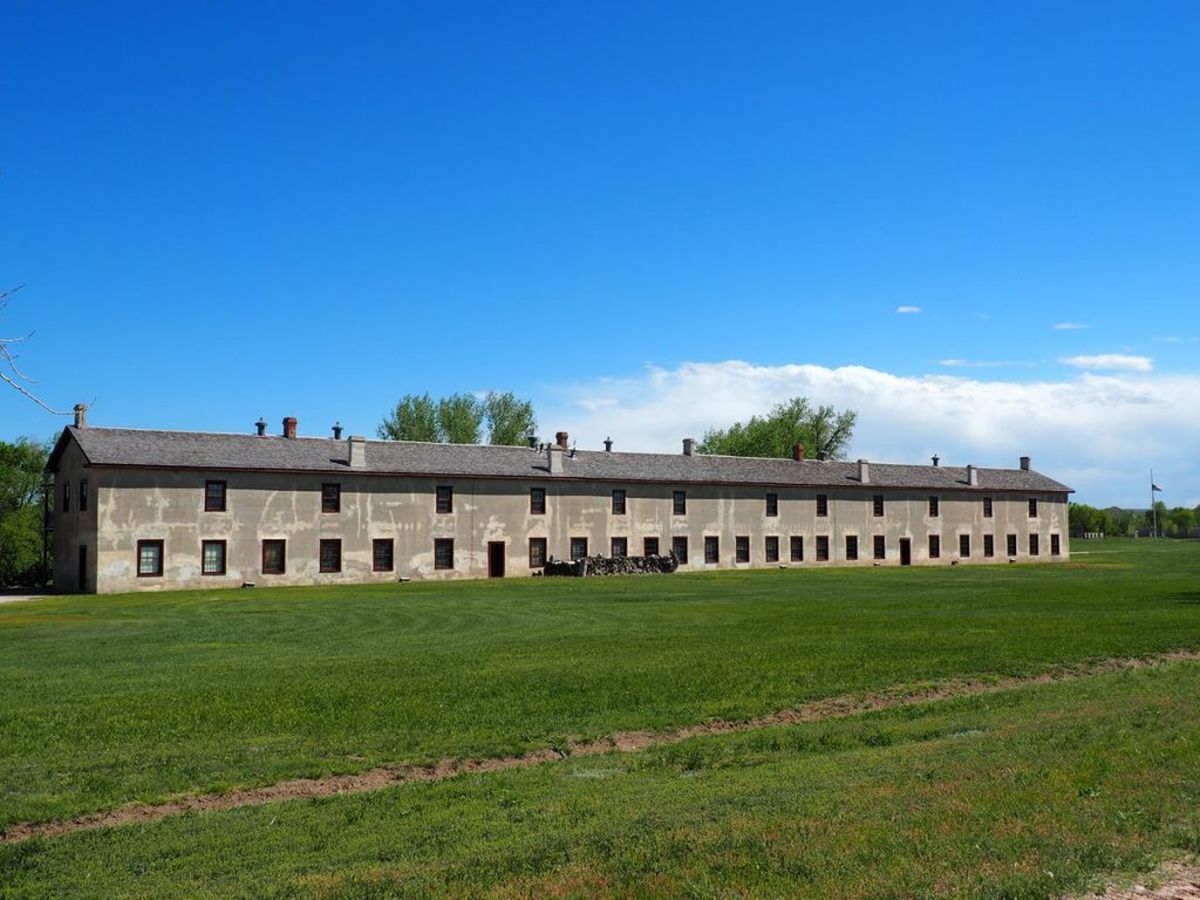
Have you ever wondered about the stone foundations along the Fort Laramie Trail in Wyoming? These mysterious structures have puzzled historians and travelers alike. Built during the 19th century, they served as vital waypoints for pioneers heading west. Imagine the stories these stones could tell—tales of hardship, hope, and adventure. Today, they stand as silent witnesses to a bygone era, offering a glimpse into the lives of those who braved the unknown. Whether you're a history buff or just curious, exploring these remnants can be a fascinating journey into America's past. Ready to uncover their secrets? Let's dive in!
Discovering Wyoming's Fort Laramie Trail
Wyoming's Fort Laramie Trail is a treasure trove of history, adventure, and natural beauty. This trail, rich with stories from the past, offers a unique glimpse into the lives of pioneers, soldiers, and Native Americans. Let's explore some of the most fascinating stone foundations along this historic path.
1. Fort Laramie National Historic Site
Fort Laramie National Historic Site is a must-see. This site served as a military post and a hub for westward expansion. The stone foundations here tell tales of soldiers, traders, and travelers who passed through.
- Old Bedlam: The oldest military building in Wyoming, once a bustling officers' quarters.
- The Sutler's Store: A place where soldiers and settlers bought supplies, now a museum.
- The Guardhouse: A stone structure that once held prisoners, now a window into military justice.
2. Register Cliff
Register Cliff is a natural landmark where pioneers carved their names into the soft sandstone. These inscriptions are a testament to the thousands who traveled the Oregon Trail.
- Pioneer Signatures: Names and dates etched into the rock, some over 150 years old.
- Historical Markers: Plaques that provide context and stories about the travelers.
- Scenic Views: Stunning vistas of the North Platte River Valley.
3. Guernsey State Park
Guernsey State Park offers more than just recreational activities. It also houses significant historical sites, including stone foundations from the Civilian Conservation Corps (CCC) era.
- CCC Structures: Stone buildings and bridges built by the CCC in the 1930s.
- The Castle: A stone picnic shelter with panoramic views of the reservoir.
- Museum: Exhibits on the CCC and the park's history.
4. Fort Caspar
Fort Caspar, another key site along the trail, offers a glimpse into the military and pioneer life of the 19th century. The reconstructed fort includes several stone foundations.
- Officer's Quarters: Stone remnants of where military leaders once lived.
- Barracks: Foundations of the buildings that housed soldiers.
- Museum: Artifacts and exhibits detailing the fort's history.
5. Independence Rock
Independence Rock is known as the "Register of the Desert." This granite monolith was a landmark for pioneers heading west.
- Pioneer Inscriptions: Names and messages carved into the rock.
- Historical Significance: A key navigation point for travelers.
- Natural Beauty: The rock itself is a stunning natural formation.
6. Ayres Natural Bridge
Ayres Natural Bridge is one of Wyoming's hidden gems. This natural stone arch was a popular resting spot for pioneers.
- Natural Arch: A stunning stone bridge formed by LaPrele Creek.
- Historical Rest Stop: A place where travelers rested and watered their animals.
- Picnic Areas: Modern amenities for visitors to enjoy the scenery.
7. Fort Bridger
Fort Bridger, established by Jim Bridger, was a vital supply stop for pioneers. The stone foundations here reveal much about frontier life.
- Trading Post: Stone remnants of the original trading post.
- Military Buildings: Foundations of barracks and officer's quarters.
- Museum: Displays on the fort's history and its role in westward expansion.
8. South Pass City
South Pass City is a well-preserved ghost town that offers a peek into the gold rush era. The stone foundations here are remnants of a once-thriving mining town.
- Carissa Mine: Stone structures related to gold mining operations.
- Historic Buildings: Foundations of homes, stores, and saloons.
- Visitor Center: Information on the town's history and preservation efforts.
9. Fort Fetterman
Fort Fetterman was a frontier post that played a crucial role in the Indian Wars. The stone foundations here tell stories of conflict and survival.
- Officer's Quarters: Stone remnants of where military leaders once lived.
- Barracks: Foundations of the buildings that housed soldiers.
- Interpretive Center: Exhibits detailing the fort's history and the Indian Wars.
10. Fort Phil Kearny
Fort Phil Kearny, another significant military post, was the site of several key battles. The stone foundations here are a testament to the fort's strategic importance.
- Stockade: Stone remnants of the fort's defensive walls.
- Officer's Quarters: Foundations of the buildings where officers lived.
- Visitor Center: Displays on the fort's history and the battles fought here.
Discovering Fort Laramie's Hidden Gems
Fort Laramie Trail's stone foundations offer a unique glimpse into Wyoming's rich history. These remnants tell stories of pioneers, soldiers, and Native Americans who once roamed this land. Walking the trail, you can almost hear the echoes of the past, making it a must-visit for history buffs and nature lovers alike.
Exploring these foundations, you'll find yourself transported back in time. The craftsmanship and resilience of these structures are a testament to the people who built them. Each stone has a story, and together, they weave a tapestry of the region's heritage.
Whether you're an avid hiker or just someone who appreciates history, Fort Laramie Trail promises an unforgettable experience. So lace up your boots, grab your camera, and set out on an adventure that bridges the past and present. Fort Laramie's secrets are waiting to be uncovered.
