Secrets Of Wyoming’s Fort Laramie Military Outposts
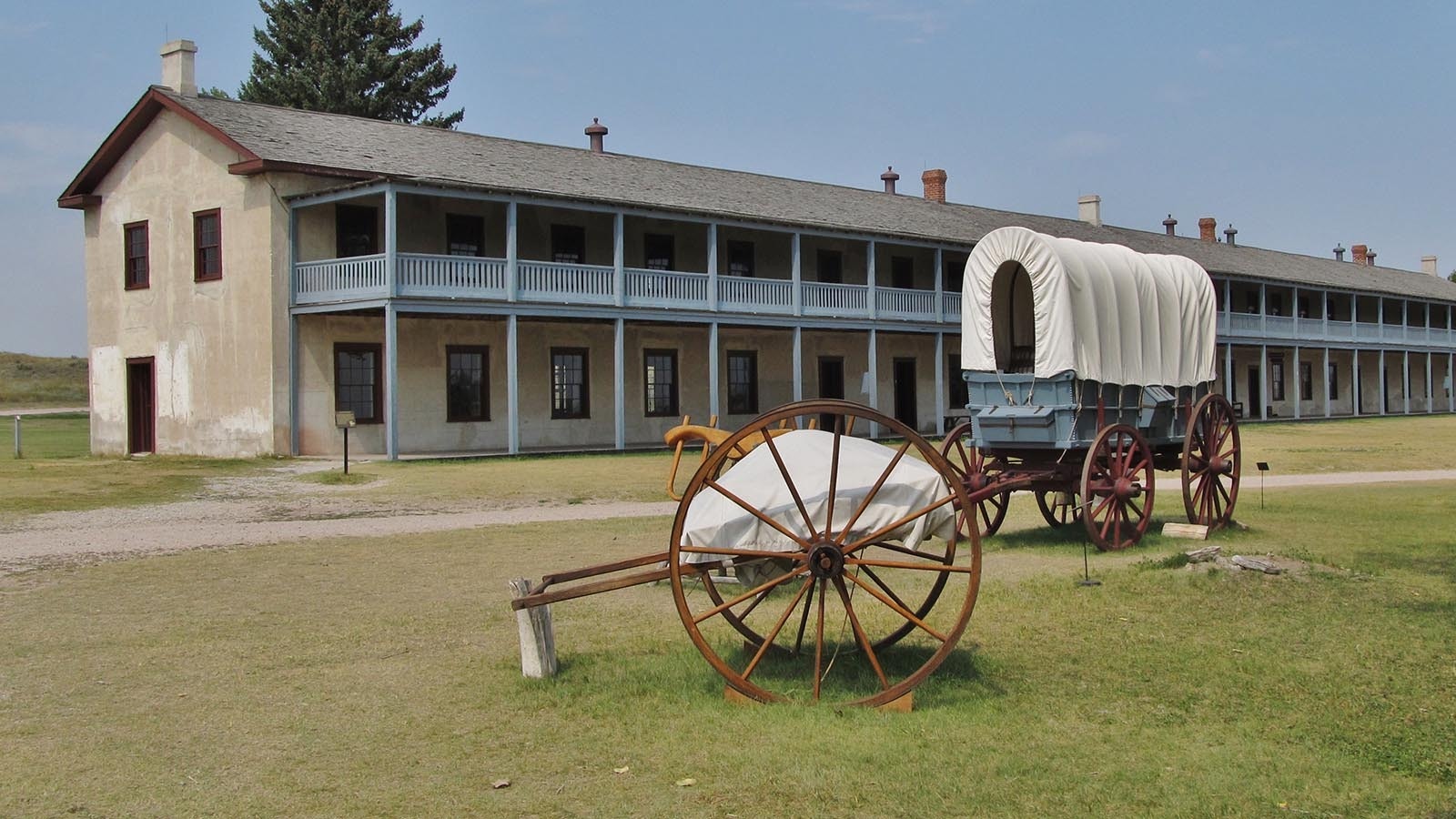
Have you ever wondered about the hidden stories behind Wyoming's Fort Laramie military outposts? These historic sites hold tales of bravery, strategy, and life on the frontier. Fort Laramie, once a bustling hub for soldiers, traders, and travelers, played a crucial role in shaping the American West. From its early days as a fur trading post to its transformation into a military stronghold, Fort Laramie witnessed pivotal moments in history. Imagine walking through the same grounds where soldiers prepared for battles, treaties were signed, and pioneers sought refuge. Join us as we uncover the fascinating history and significance of these remarkable outposts.
Discovering Fort Laramie’s Hidden Military Outposts
Fort Laramie, Wyoming, holds a treasure trove of history. This former military post played a crucial role in the westward expansion of the United States. Let's uncover some of the hidden military outposts that tell the story of this fascinating place.
1. Fort Laramie National Historic Site
The heart of Fort Laramie’s history lies in its National Historic Site. This area preserves the remnants of the original fort, offering a glimpse into the past.
- Old Bedlam: The oldest standing military building in Wyoming, Old Bedlam served as officers' quarters and a social hub.
- The Cavalry Barracks: These barracks housed soldiers who protected settlers and maintained order in the region.
- The Guardhouse: This structure held prisoners and served as a reminder of the fort’s role in maintaining discipline.
2. Fort Caspar
Located in Casper, Wyoming, Fort Caspar was another key military outpost. It provided protection for travelers on the Oregon, California, and Mormon Trails.
- Reconstructed Fort: The fort has been meticulously reconstructed to resemble its original state, complete with barracks, a commissary, and a blacksmith shop.
- Museum Exhibits: The museum offers artifacts and exhibits detailing the fort’s history and the lives of those who lived there.
- Pony Express Station: Fort Caspar also served as a station for the Pony Express, adding to its historical significance.
3. Fort Bridger
Fort Bridger, established by Jim Bridger and Louis Vasquez, became a vital supply point for emigrants heading west.
- Trading Post: The fort’s trading post was a bustling center where emigrants could restock supplies and trade goods.
- Military Presence: The U.S. Army later took control of the fort, using it to protect travelers and maintain peace with Native American tribes.
- Historic Buildings: Visitors can explore original and reconstructed buildings, including officers' quarters and a guardhouse.
4. Fort Fetterman
Fort Fetterman, near Douglas, Wyoming, played a significant role in the Indian Wars. It served as a base for military campaigns against Native American tribes.
- Commanding Officer’s Quarters: This building has been restored to reflect its appearance during the fort’s active years.
- Interpretive Center: The center provides information on the fort’s history and the military campaigns launched from there.
- Scenic Views: The fort’s location offers stunning views of the surrounding landscape, providing a sense of the challenges faced by soldiers stationed there.
5. Fort Phil Kearny
Fort Phil Kearny, near present-day Buffalo, Wyoming, was established to protect travelers on the Bozeman Trail.
- Visitor Center: The center offers exhibits and information on the fort’s history and the battles fought nearby.
- Fetterman Fight Site: This site marks the location of a significant battle between U.S. soldiers and Native American warriors.
- Reconstructed Stockade: The fort’s stockade has been reconstructed, giving visitors a sense of the fort’s original layout and defenses.
6. Fort Reno
Fort Reno, located near present-day Kaycee, Wyoming, was another important outpost on the Bozeman Trail.
- Ruins and Markers: While little remains of the original fort, markers and ruins provide insight into its history.
- Bozeman Trail: The fort’s proximity to the trail highlights its role in protecting travelers and maintaining peace in the region.
- Historic Significance: Fort Reno played a key role in the conflicts between the U.S. Army and Native American tribes.
7. Fort Sanders
Fort Sanders, near Laramie, Wyoming, served as a military post during the Indian Wars and the construction of the Union Pacific Railroad.
- Historic Buildings: Some original buildings remain, offering a glimpse into the fort’s past.
- Railroad Protection: The fort’s location was strategic for protecting workers and settlers during the railroad’s construction.
- Military History: Fort Sanders played a crucial role in the military efforts to secure the region for westward expansion.
Reflecting on Fort Laramie
Fort Laramie holds a rich history that paints a vivid picture of the American West. From its early days as a fur trading post to its role in military operations, this site offers a unique glimpse into the past. Visitors can explore restored buildings, walk the grounds where soldiers once marched, and learn about the lives of those who lived and worked there. The fort's strategic location made it a key player in westward expansion and Native American relations. Today, it stands as a testament to the complex history of the region. Whether you're a history buff or just curious, Fort Laramie provides an educational and engaging experience. Don't miss the chance to step back in time and discover the stories that shaped Wyoming and the American frontier.