

Hidden Trading Post Ferry Sites Along Wyoming’s North Platte River
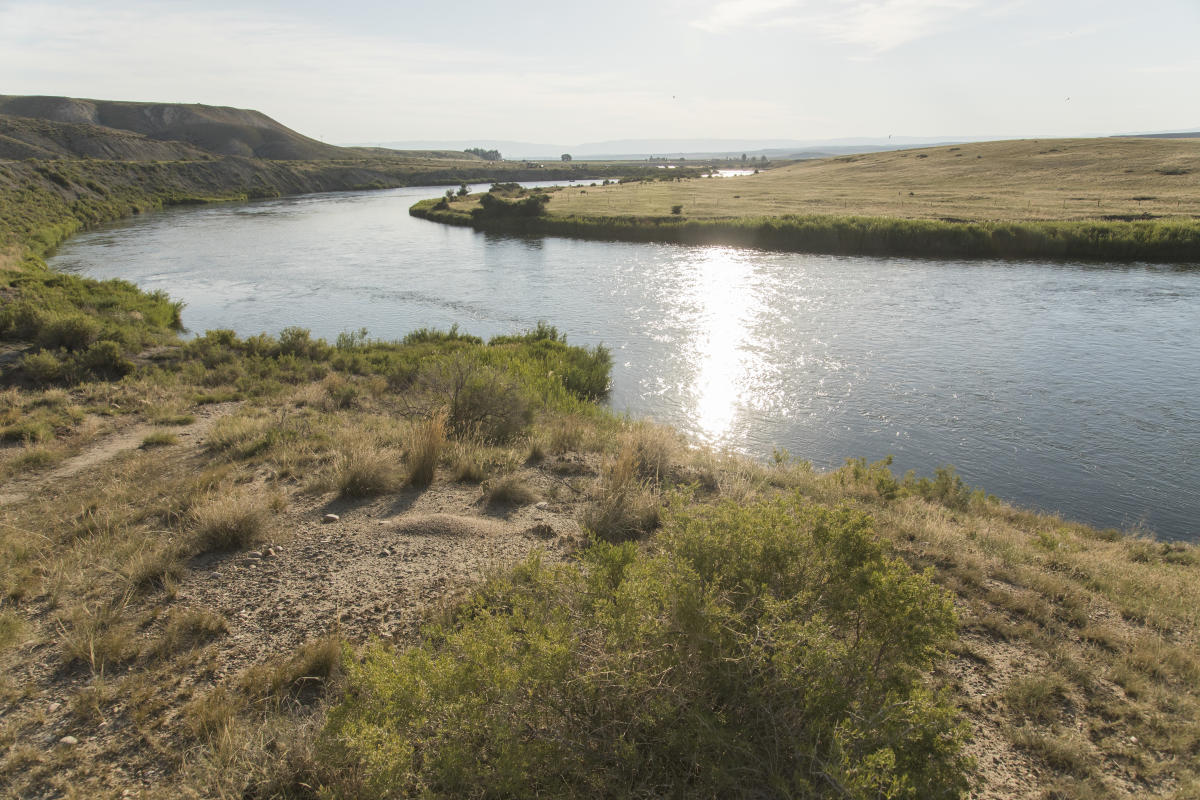
Have you ever wondered about the hidden gems along Wyoming's North Platte River? This river, rich in history, offers more than just scenic views. Along its banks, you'll find trading post ferry sites that tell tales of the past. These spots were once bustling hubs where traders, trappers, and travelers met. Imagine stepping back in time, where the river was a lifeline for commerce and communication. Exploring these sites gives a unique glimpse into the lives of those who shaped the region. Ready to uncover the secrets of the North Platte River? Let's dive into the fascinating world of Wyoming's trading post ferries.
Hidden Trading Post Ferry Sites Along Wyoming's North Platte River
Wyoming's North Platte River is a treasure trove of history. Hidden along its banks are trading post ferry sites that once buzzed with activity. These places tell stories of pioneers, traders, and Native Americans. Let's uncover some of these hidden gems.
1. Fort Laramie
Fort Laramie was a major trading post and military fort. It served as a hub for fur traders, pioneers, and the U.S. Army. The fort's strategic location made it a key stop along the Oregon Trail.
2. Fort Caspar
Fort Caspar, named after Lieutenant Caspar Collins, was a vital crossing point on the North Platte River. It played a crucial role during the Indian Wars and served as a supply post for travelers heading west.
3. Fort Platte
Fort Platte was a bustling trading post in the early 19th century. It was a meeting point for trappers, traders, and Native American tribes. The fort's location near the river made it an ideal spot for trade and commerce.
4. Fort Bernard
Fort Bernard was established by French-Canadian traders. It became a popular stop for fur trappers and traders. The fort's proximity to the river allowed for easy transportation of goods.
5. Fort John
Fort John, also known as Fort Laramie II, was built to replace the original Fort Laramie. It served as a trading post and military fort. The fort's location along the river made it a key point for trade and travel.
6. Fort Reno
Fort Reno was a small military post established to protect travelers on the Bozeman Trail. It was located near the North Platte River, providing a strategic advantage for defense and supply routes.
7. Fort Fetterman
Fort Fetterman was built to protect settlers from Native American attacks. It served as a supply depot and staging area for military campaigns. The fort's location near the river made it a crucial point for transportation and logistics.
8. Fort McPherson
Fort McPherson was a military post established to protect the Union Pacific Railroad. It played a significant role in the Indian Wars and served as a supply base for troops. The fort's proximity to the river allowed for easy access to resources.
9. Fort Kearny
Fort Kearny was a key military post along the Oregon Trail. It provided protection for travelers and served as a supply depot. The fort's location near the North Platte River made it an essential stop for pioneers heading west.
10. Fort Bridger
Fort Bridger was a trading post established by mountain man Jim Bridger. It became a vital resupply point for travelers on the Oregon, California, and Mormon Trails. The fort's strategic location near the river made it a hub of activity.
11. Fort Hall
Fort Hall was a trading post and fort established by the Hudson's Bay Company. It served as a key stop for fur trappers and traders. The fort's location along the river made it an important point for trade and commerce.
12. Fort Supply
Fort Supply was a military post established to protect settlers and travelers. It served as a supply depot and staging area for military campaigns. The fort's proximity to the river provided a strategic advantage for defense and logistics.
13. Fort Phil Kearny
Fort Phil Kearny was built to protect travelers on the Bozeman Trail. It played a significant role in the Indian Wars and served as a supply base for troops. The fort's location near the river made it a crucial point for transportation and logistics.
14. Fort Union
Fort Union was a trading post established by the American Fur Company. It became a major hub for fur trade and commerce. The fort's strategic location along the river allowed for easy transportation of goods.
15. Fort Laramie III
Fort Laramie III was built to replace the second Fort Laramie. It served as a trading post and military fort. The fort's location along the river made it a key point for trade and travel.
16. Fort St. Vrain
Fort St. Vrain was a trading post established by the Bent, St. Vrain & Company. It became a popular stop for fur trappers and traders. The fort's proximity to the river allowed for easy transportation of goods.
17. Fort Vasquez
Fort Vasquez was a trading post established by Louis Vasquez and Andrew Sublette. It served as a key stop for fur trappers and traders. The fort's location along the river made it an important point for trade and commerce.
18. Fort John II
Fort John II, also known as Fort Laramie IV, was built to replace the third Fort Laramie. It served as a trading post and military fort. The fort's location along the river made it a key point for trade and travel.
19. Fort Bonneville
Fort Bonneville was a trading post established by Captain Benjamin Bonneville. It became a vital resupply point for travelers on the Oregon Trail. The fort's strategic location near the river made it a hub of activity.
20. Fort Bridger II
Fort Bridger II was built to replace the original Fort Bridger. It served as a trading post and military fort. The fort's location along the river made it a key point for trade and travel.
Discover Wyoming's Hidden Gems
Wyoming's North Platte River holds more than just scenic beauty. It hides trading post ferry sites that tell stories of the past. These spots offer a unique glimpse into the region's history. Exploring these hidden gems can be a rewarding experience for history buffs and nature lovers alike. Imagine walking where traders once bartered goods or crossing the river where ferries once operated. These sites are not just historical landmarks; they are windows into a bygone era. So next time you're in Wyoming, take a detour to these lesser-known locations. You'll find more than just a beautiful landscape; you'll uncover a piece of history. Whether you're a local or a visitor, these hidden trading post ferry sites are worth the trip. Enjoy the adventure and the stories that come with it.
