

Hidden Indigenous Signal Sites In Wyoming’s Wind River
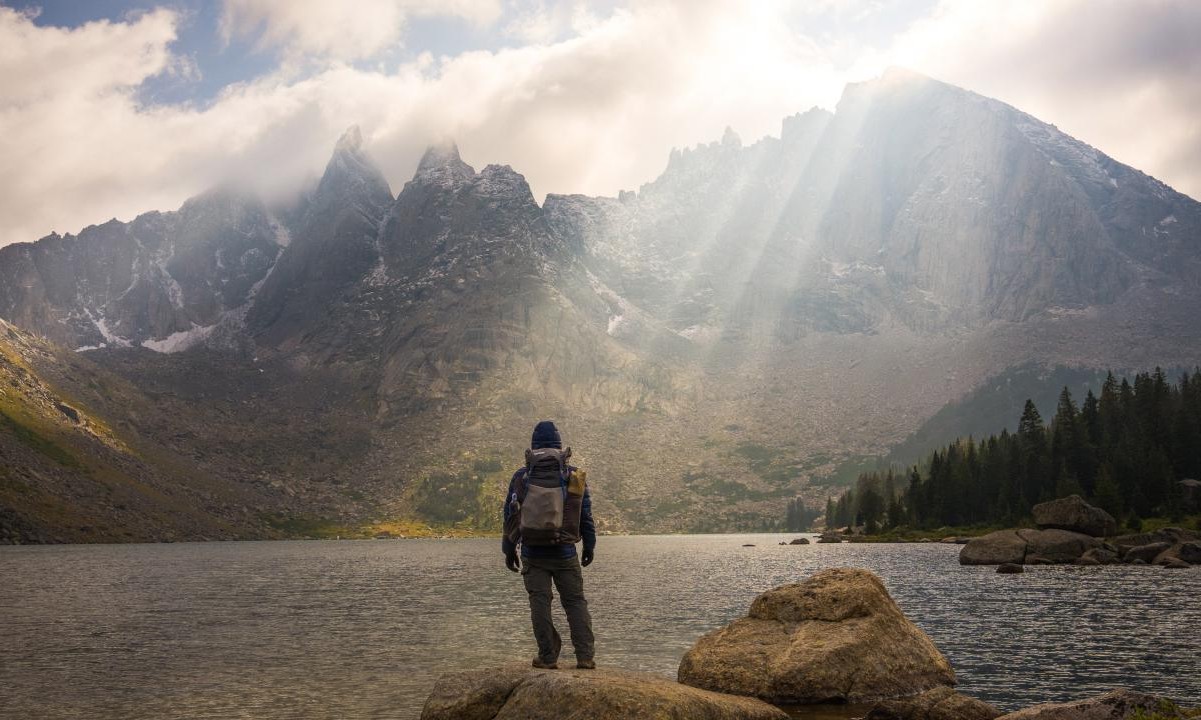
Have you ever wondered about the hidden stories of Wyoming's Wind River Range? This stunning area isn't just about breathtaking views and rugged trails. It's also home to hidden Indigenous signal sites that have been used for centuries. These sites, often overlooked by casual hikers, hold deep cultural significance. They were used by Native American tribes for communication across vast distances. Imagine standing where ancient peoples once sent smoke signals or used mirrors to flash messages. Exploring these spots offers a unique glimpse into the past, connecting you with the land's original inhabitants. Ready to uncover these hidden gems? Let's dive in!
Discovering Wyoming's Wind River Range
Wyoming's Wind River Range is a treasure trove of natural beauty and historical significance. Among its many wonders, hidden Indigenous signal sites stand out as remarkable relics of the past. These sites, used by Native American tribes for communication and navigation, offer a glimpse into a time when the landscape itself was a living map.
1. Dinwoody Lakes
Dinwoody Lakes, located in the heart of the Wind River Range, is a site rich in history. The area is known for its stunning petroglyphs, which are believed to be ancient communication tools used by Indigenous tribes.
- Petroglyphs: These rock carvings depict animals, humans, and abstract symbols.
- Scenic Beauty: The lakes themselves are surrounded by breathtaking mountain views.
- Hiking Trails: Numerous trails lead to the petroglyph sites, making it an adventurous journey.
2. Crowheart Butte
Crowheart Butte is not just a geological marvel but also a historical landmark. This site was a significant signal point for Native American tribes.
- Historical Significance: Named after a famous battle between the Crow and Shoshone tribes.
- Panoramic Views: Offers sweeping views of the surrounding plains and mountains.
- Cultural Importance: A sacred site for the Shoshone people.
3. Sacajawea's Grave
Sacajawea's Grave, located near Fort Washakie, is a site of immense cultural importance. It is believed to be the final resting place of the famous Shoshone guide who assisted Lewis and Clark.
- Historical Marker: A monument marks the grave, providing historical context.
- Cultural Tours: Guided tours offer insights into Sacajawea's life and legacy.
- Peaceful Setting: The site is serene, surrounded by nature.
4. Legend Rock State Petroglyph Site
Legend Rock State Petroglyph Site is one of Wyoming's most significant archaeological sites. It features over 300 petroglyphs, some dating back thousands of years.
- Ancient Art: The petroglyphs depict various scenes, including hunting and spiritual rituals.
- Educational Programs: The site offers educational tours and workshops.
- Preservation Efforts: Ongoing efforts to preserve and protect the petroglyphs.
5. South Pass City
South Pass City, a historic mining town, also holds significance for its Indigenous signal sites. The area was a crucial point for communication and trade routes.
- Historic Town: Offers a glimpse into the Gold Rush era.
- Signal Sites: Marked locations where Indigenous tribes communicated.
- Visitor Center: Provides detailed information and exhibits on the area's history.
6. Wind River Canyon
Wind River Canyon is not only a natural wonder but also a site of historical importance. Indigenous tribes used the canyon's unique rock formations for signaling.
- Geological Marvel: The canyon features stunning rock formations and river views.
- Historical Tours: Guided tours explain the canyon's significance to Native American tribes.
- Wildlife Viewing: The area is home to diverse wildlife, adding to its allure.
7. Medicine Wheel/Medicine Mountain National Historic Landmark
The Medicine Wheel, located atop Medicine Mountain, is a sacred site for many Native American tribes. It is believed to have been used for ceremonial purposes and as a signal site.
- Sacred Site: The wheel's design aligns with celestial events.
- Cultural Significance: A place of pilgrimage and spiritual reflection.
- Scenic Hike: The trail to the Medicine Wheel offers panoramic views of the surrounding landscape.
8. Castle Gardens Petroglyph Site
Castle Gardens Petroglyph Site is another hidden gem in the Wind River Range. The site features unique rock formations and ancient carvings.
- Unique Petroglyphs: The carvings here are distinct, featuring intricate designs.
- Rock Formations: The area is named for its castle-like rock structures.
- Remote Location: Offers a sense of adventure and discovery.
9. Fremont Lake
Fremont Lake, one of the largest and deepest lakes in Wyoming, also holds historical significance. Indigenous tribes used the area for signaling and navigation.
- Natural Beauty: The lake is surrounded by stunning mountain scenery.
- Recreational Activities: Offers opportunities for boating, fishing, and hiking.
- Historical Markers: Informational signs provide context about the area's Indigenous history.
10. Sinks Canyon State Park
Sinks Canyon State Park is a geological wonder with a rich history. The park's unique features made it an ideal signaling site for Native American tribes.
- The Sinks: A river that disappears into a limestone cavern, only to reappear downstream.
- Historical Significance: Used by Indigenous tribes for navigation and communication.
- Outdoor Activities: Hiking, rock climbing, and wildlife viewing opportunities abound.
Embracing Wyoming's Indigenous Heritage
Exploring Wyoming's Wind River region reveals a rich tapestry of Indigenous signal sites. These sites, often overlooked, offer a glimpse into the cultural heritage of the Native American tribes who once thrived here. Visiting these locations not only provides a unique travel experience but also deepens our understanding of Indigenous history and traditions.
When planning your trip, consider the significance of each site. Respect the land and its history. Engage with local guides who can share stories and insights that bring these places to life. By doing so, you contribute to preserving and honoring the legacy of the Indigenous peoples.
Wyoming's hidden signal sites are more than just travel destinations. They are a bridge to the past, connecting us to the rich cultural heritage of the Wind River region. Embrace this journey with respect and curiosity.
