

Secrets Of Mount Saint Helens
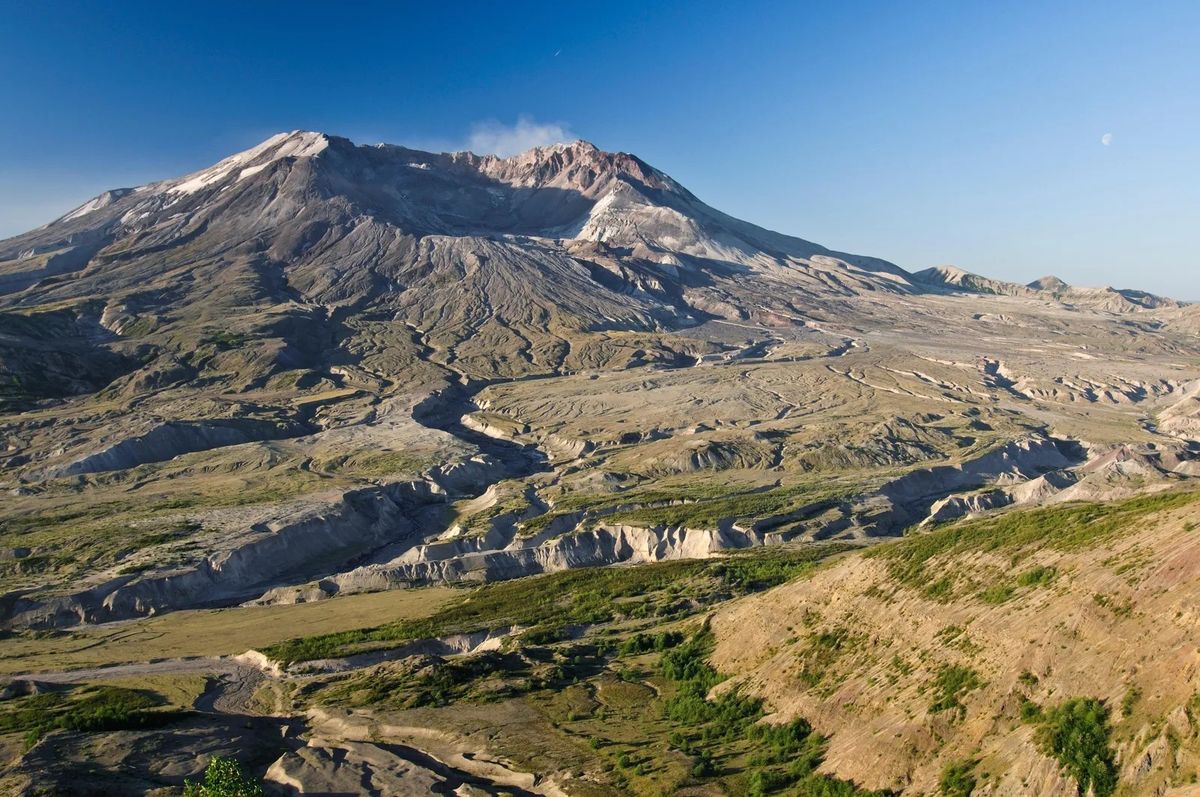
Have you ever wondered what makes Mount Saint Helens such a fascinating destination? This active volcano, located in Washington State, offers more than just stunning views. It's a place where nature's raw power and beauty come together. From the lush forests surrounding the mountain to the stark, otherworldly landscape created by past eruptions, there's something for everyone. Hikers can explore trails that range from easy walks to challenging climbs. Wildlife enthusiasts might spot elk, deer, or even a black bear. Whether you're a geology buff, an outdoor adventurer, or just someone looking to experience something unique, Mount Saint Helens has it all. Ready to learn more about this incredible place? Let's dive in!
Secrets of Mount Saint Helens
Mount Saint Helens, an active stratovolcano located in Washington State, is famous for its catastrophic eruption in 1980. However, beyond its explosive history, this natural wonder holds many secrets waiting to be uncovered. From hidden trails to unique geological features, let's explore the lesser-known aspects of Mount Saint Helens.
Hidden Trails
While many visitors flock to the popular viewpoints, there are several hidden trails that offer a more intimate experience with the volcano's landscape.
Ape Cave: This lava tube, formed by an ancient eruption, stretches over two miles underground. It's the longest continuous lava tube in the continental United States. Bring a flashlight and a sense of adventure.
June Lake Trail: A serene hike leading to a picturesque alpine lake. The trail is relatively short but offers stunning views of waterfalls and lush forests.
Norway Pass: This trail provides a unique perspective of the volcano's blast zone. Hikers can see the regrowth of the forest and the resilience of nature.
Unique Geological Features
Mount Saint Helens is not just about its explosive past. The area is rich with unique geological formations that tell the story of the Earth's dynamic processes.
Lava Domes: These mounds of lava have formed since the 1980 eruption. They offer a glimpse into the ongoing volcanic activity beneath the surface.
Spirit Lake: The lake was dramatically altered by the 1980 eruption. Today, it is filled with floating logs and debris, creating an eerie yet fascinating landscape.
Pumice Plain: This vast expanse of volcanic rock and ash is a testament to the power of the eruption. It's a stark, otherworldly landscape that feels like stepping onto another planet.
Wildlife and Flora
Despite the devastation caused by the eruption, Mount Saint Helens is a thriving ecosystem with diverse wildlife and flora.
Elk Rock Viewpoint: A prime spot for observing elk herds. These majestic animals have adapted to the changing landscape and can often be seen grazing in the meadows.
Lupine Fields: Every spring, fields of lupine bloom across the blast zone. These vibrant purple flowers are a symbol of nature's resilience and beauty.
Hummocks Trail: This trail winds through a series of hummocks, or small hills, created by the eruption. It's a great place to spot birds, deer, and other wildlife.
Historical Sites
The history of Mount Saint Helens is not just geological but also human. Several historical sites around the volcano offer insights into the lives of those who lived in its shadow.
Mount Saint Helens Visitor Center: Located near Silver Lake, this center provides a comprehensive history of the volcano, including exhibits on the 1980 eruption and its aftermath.
Harry's Ridge: Named after Harry R. Truman, a local resident who famously refused to evacuate before the 1980 eruption. The ridge offers stunning views and a poignant reminder of the human stories tied to the volcano.
Windy Ridge Viewpoint: This viewpoint offers a panoramic view of the blast zone and Spirit Lake. Interpretive signs provide historical context and information about the eruption's impact.
Adventure Activities
For those seeking a thrill, Mount Saint Helens offers a variety of adventure activities that go beyond hiking.
Mountaineering: Climbing to the summit of Mount Saint Helens is a challenging but rewarding experience. The climb offers breathtaking views and a sense of accomplishment.
Kayaking on Coldwater Lake: Formed by the 1980 eruption, Coldwater Lake is a pristine body of water perfect for kayaking. Paddle through crystal-clear waters surrounded by stunning volcanic scenery.
Mountain Biking on Ape Canyon Trail: This trail offers an exhilarating ride through old-growth forests and along the edge of the blast zone. It's a must-do for mountain biking enthusiasts.
The Lasting Impact of Mount Saint Helens
Mount Saint Helens remains a powerful reminder of nature's force. The 1980 eruption reshaped the landscape and left a lasting mark on science and local communities. Visitors today can witness the recovery of the ecosystem, hike through trails, and learn about the volcano's history at the Johnston Ridge Observatory.
The mountain's story is one of destruction and renewal. It teaches us about the resilience of nature and the importance of respecting our environment. Whether you're an adventurer, a scientist, or someone seeking a deeper connection with nature, Mount Saint Helens offers a unique experience.
Plan a visit to this iconic site to see firsthand the beauty and power of our planet. The lessons learned here are invaluable, reminding us of the delicate balance we must maintain with the natural world.
