

Hidden Insights In Carbon Sequestration Research In Washington’s Forests
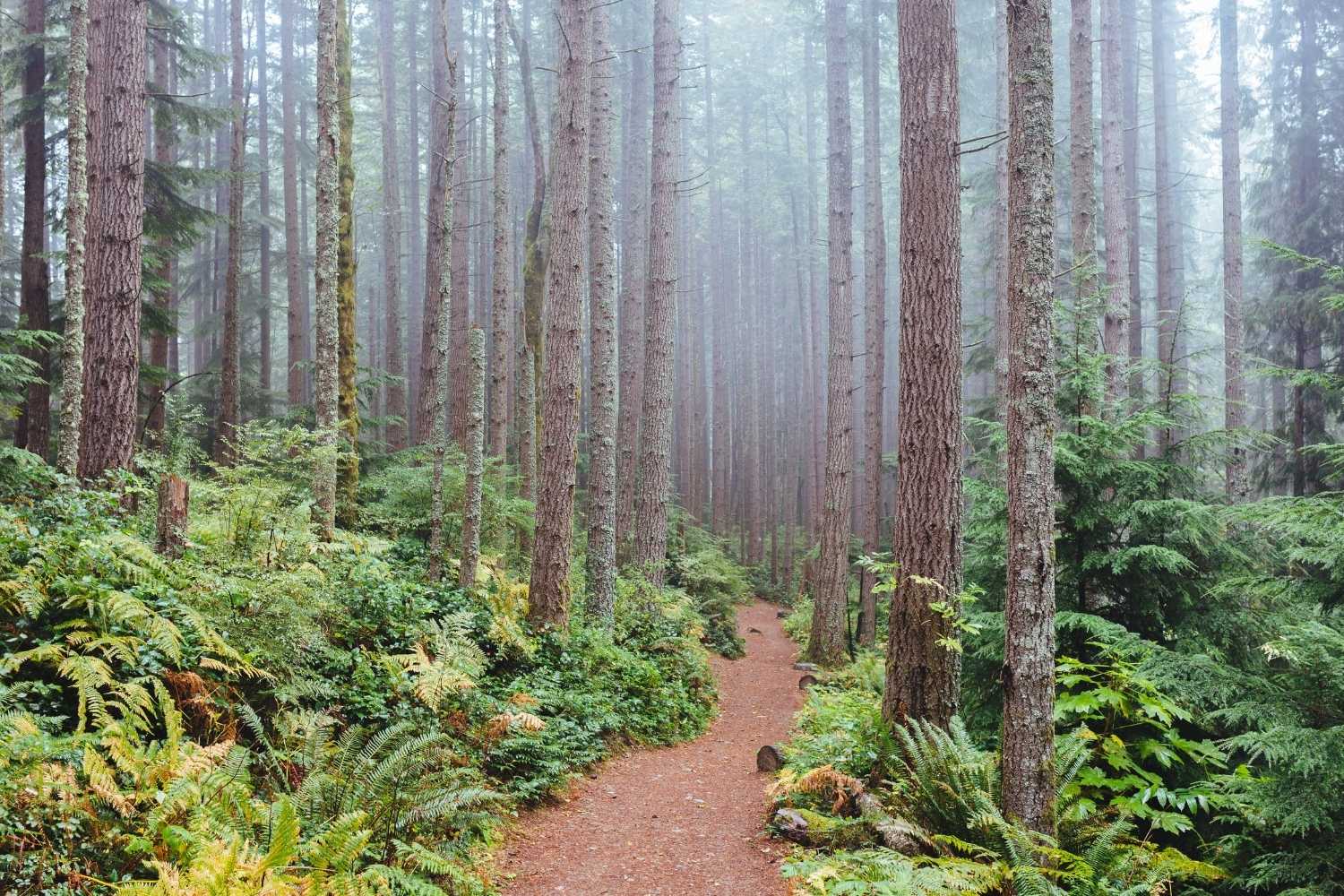
Have you ever wondered how Washington's forests help fight climate change? Carbon sequestration is the process where trees absorb carbon dioxide from the air and store it. This natural method plays a huge role in reducing greenhouse gases. Washington's forests are especially good at this because of their dense and diverse tree populations. Researchers are constantly studying these forests to understand how different tree species and forest management practices can improve carbon storage. By learning more about carbon sequestration in these forests, we can better protect our environment and combat climate change. Let's dive into the hidden insights of this important research.
The Importance of Carbon Sequestration in Washington's Forests
Washington's forests play a crucial role in capturing carbon dioxide from the atmosphere, helping to mitigate climate change. This natural process, known as carbon sequestration, is vital for maintaining the balance of our ecosystem. Let's explore some key research sites in Washington where scientists are studying this phenomenon.
Research Sites in Washington's Forests
Washington's diverse landscapes offer unique opportunities for studying carbon sequestration. Each site provides valuable data that helps researchers understand how different forest types contribute to carbon storage.
Olympic National Forest
- Olympic National Forest, with its lush, temperate rainforests, is a prime location for carbon sequestration research. The dense canopy and rich biodiversity create an ideal environment for studying how forests capture and store carbon.
Mount Rainier National Park
- Mount Rainier's old-growth forests are another critical site for carbon sequestration studies. Researchers here focus on how mature trees and forest ecosystems contribute to long-term carbon storage.
Gifford Pinchot National Forest
- This forest, named after the first Chief of the U.S. Forest Service, offers a mix of old-growth and second-growth forests. Studies in Gifford Pinchot help scientists understand the differences in carbon sequestration between various forest ages.
North Cascades National Park
- North Cascades is known for its rugged terrain and diverse ecosystems. Research in this park examines how elevation and climate variations impact carbon sequestration in different forest types.
Colville National Forest
- Located in northeastern Washington, Colville National Forest provides insights into how mixed-conifer forests sequester carbon. The forest's varied topography and tree species offer a unique research setting.
Okanogan-Wenatchee National Forest
- Spanning the eastern slopes of the Cascade Range, this forest is a key site for studying how fire management practices affect carbon sequestration. Researchers here investigate the balance between forest health and carbon storage.
San Juan Islands National Monument
- Although not a traditional forest, the San Juan Islands' unique ecosystems contribute to carbon sequestration research. Studies focus on how coastal forests and marine environments work together to capture carbon.
Innovative Research Techniques
Researchers in Washington employ various innovative techniques to study carbon sequestration. These methods help gather accurate data and provide a deeper understanding of forest ecosystems.
Remote Sensing Technology
- Using satellites and drones, scientists can monitor forest health and carbon storage from above. This technology allows for large-scale data collection and analysis.
Eddy Covariance Towers
- These towers measure the exchange of carbon dioxide between the forest and the atmosphere. By analyzing this data, researchers can determine how much carbon is being sequestered over time.
Soil Sampling
- Soil samples provide insights into the amount of carbon stored underground. Researchers analyze soil composition and carbon content to understand how different soil types affect carbon sequestration.
Tree Core Sampling
- By extracting cores from trees, scientists can study growth patterns and carbon storage over time. This method helps determine how different tree species contribute to carbon sequestration.
Forest Inventory and Analysis (FIA)
- The FIA program collects data on forest composition, health, and growth. This information is crucial for understanding how forests change over time and their role in carbon sequestration.
The Future of Carbon Sequestration Research
As climate change continues to impact our planet, understanding carbon sequestration in forests becomes increasingly important. Ongoing research in Washington's forests will help develop strategies to enhance carbon storage and mitigate climate change effects.
The Future of Carbon Sequestration in Washington's Forests
Washington's forests hold immense potential for carbon sequestration. Research shows these forests can significantly reduce atmospheric carbon dioxide levels. By protecting and managing these forests, we can combat climate change effectively.
Investing in sustainable forestry practices and supporting conservation efforts will ensure these natural resources continue to thrive. Collaboration between scientists, policymakers, and local communities is essential for maximizing the benefits of carbon sequestration.
Washington's forests are not just beautiful landscapes; they are vital allies in our fight against global warming. By understanding and leveraging their carbon-storing capabilities, we can make a substantial impact on the environment.
Let's prioritize the health of these forests for a greener, more sustainable future.
