Secrets Of Virginia’s Petersburg Civil War Earthworks
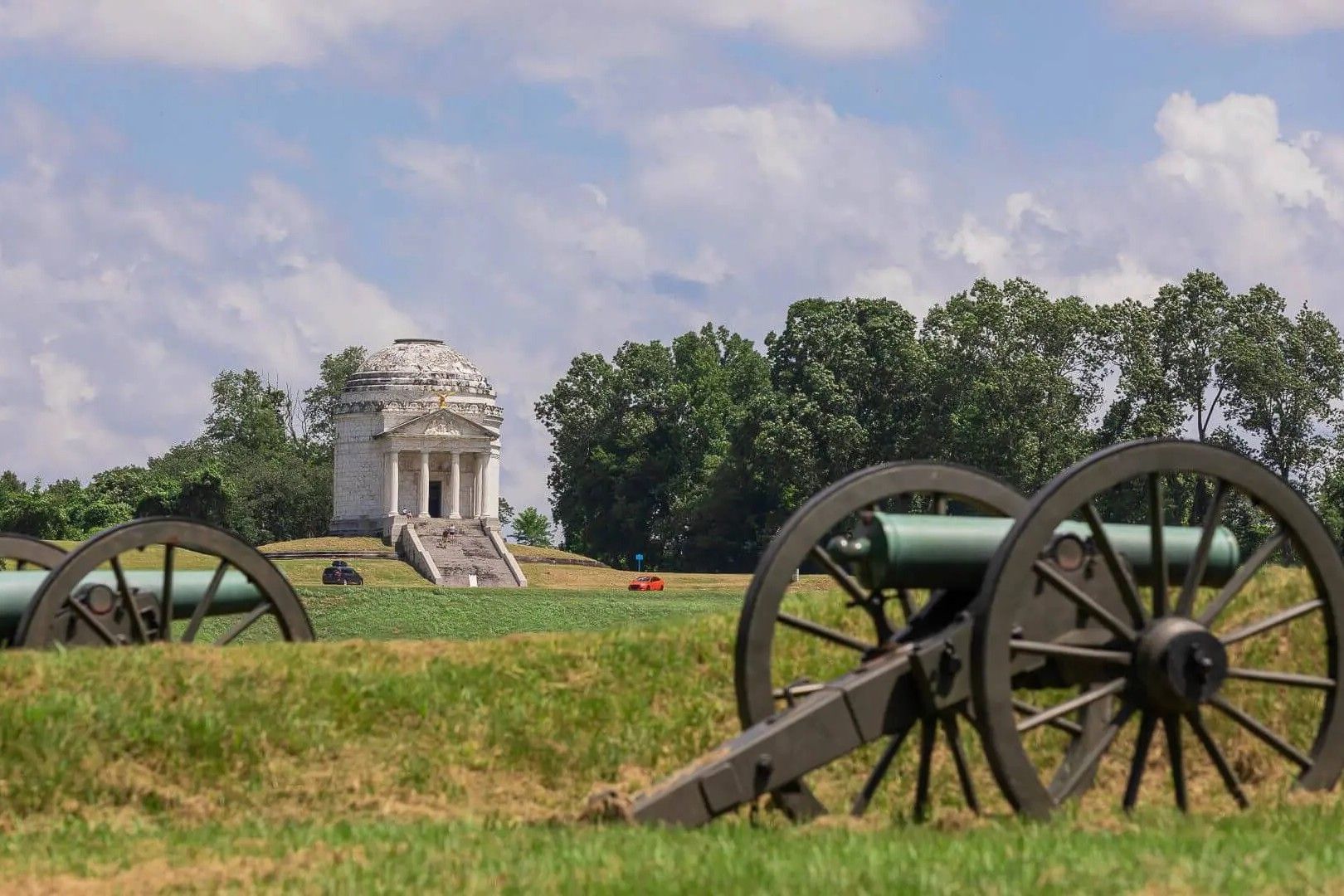
Have you ever wondered about the hidden stories behind Virginia's Petersburg Civil War Earthworks? These historic sites hold tales of bravery, strategy, and endurance from one of America's most pivotal conflicts. Imagine walking through trenches where soldiers once stood, feeling the weight of history beneath your feet. The earthworks in Petersburg are more than just mounds of dirt; they are silent witnesses to the past. Whether you're a history buff or just curious, exploring these earthworks offers a unique glimpse into the Civil War era. Ready to step back in time and uncover the secrets of these remarkable sites? Let's get started!
Discovering the Hidden Gems of Petersburg's Civil War Earthworks
Petersburg, Virginia, holds a treasure trove of Civil War history. The earthworks scattered around the city tell tales of bravery, strategy, and resilience. Let's dive into some of the most intriguing sites.
1. The Crater
The Crater stands as a testament to one of the most dramatic moments of the Siege of Petersburg. Union soldiers dug a tunnel beneath Confederate lines and packed it with explosives. The resulting explosion created a massive crater, but the attack that followed turned into a disaster for the Union forces.
2. Fort Stedman
Fort Stedman was the site of a daring Confederate assault in March 1865. General John B. Gordon led the attack in a last-ditch effort to break the Union siege. Though initially successful, the Confederates were eventually repelled, leading to significant losses.
3. Fort Sedgwick
Known as "Fort Hell" by Union soldiers, Fort Sedgwick was a key defensive position. Constantly under fire, it played a crucial role in the Union's efforts to maintain their siege lines. The fort's remains still evoke the intense combat that took place there.
4. Battery Five
Battery Five offers a glimpse into the artillery battles that raged around Petersburg. This site was part of the Confederate defensive line and saw heavy fighting. The earthworks here provide a sense of the strategic importance of artillery in the Civil War.
5. Fort Mahone
Fort Mahone, or "Fort Damnation" as Union soldiers called it, was another critical point in the Confederate defenses. The fort saw fierce fighting during the final assaults on Petersburg. Its earthworks remain a powerful reminder of the struggle that took place.
6. Petersburg National Battlefield
Petersburg National Battlefield encompasses several key sites from the siege. Visitors can explore the extensive earthworks, visit the Crater, and walk the same ground where soldiers fought. The park offers a comprehensive look at the siege's impact on the city and its people.
7. Fort Haskell
Fort Haskell played a vital role in repelling the Confederate attack on Fort Stedman. The fort's earthworks have been well-preserved, allowing visitors to see the defensive structures that helped turn the tide in favor of the Union forces.
8. Fort Morton
Fort Morton provided a strategic vantage point for Union forces. From here, they could observe and target Confederate positions. The fort's earthworks highlight the importance of high ground in military strategy.
9. Fort Gregg
Fort Gregg was one of the last Confederate strongholds to fall during the siege. Its defense delayed Union forces long enough to allow for the evacuation of Petersburg. The earthworks at Fort Gregg tell the story of a desperate but determined defense.
10. Fort Davis
Fort Davis served as a key position in the Union siege lines. The fort's earthworks are well-preserved, offering a glimpse into the daily life of soldiers stationed there. The site also provides insight into the engineering techniques used to construct these formidable defenses.
11. Fort Fisher
Fort Fisher was another important Union position. The fort's earthworks have survived the test of time, providing a tangible connection to the past. Visitors can walk the grounds and imagine the challenges faced by the soldiers who built and defended this site.
12. Fort Wadsworth
Fort Wadsworth played a crucial role in the Union's final assaults on Petersburg. The fort's earthworks remain largely intact, offering a window into the strategic planning that went into the siege. The site is a must-visit for anyone interested in Civil War history.
13. Fort McGilvery
Fort McGilvery was part of the Union's inner defensive line. The fort's earthworks are well-preserved, providing a clear picture of the fortifications used during the siege. The site offers a unique perspective on the Union's defensive strategy.
14. Fort Hays
Fort Hays served as a key artillery position for Union forces. The fort's earthworks highlight the importance of artillery in the siege. Visitors can explore the site and gain a deeper understanding of the role of artillery in Civil War battles.
15. Fort Alexander Hays
Fort Alexander Hays was named in honor of a fallen Union general. The fort's earthworks have been preserved, offering a glimpse into the fortifications that played a crucial role in the Union's siege strategy. The site is a poignant reminder of the sacrifices made during the Civil War.
Why Visit Petersburg Civil War Earthworks
Petersburg Civil War Earthworks offer a unique glimpse into American history. Walking through these well-preserved fortifications, you can almost hear the echoes of the past. The earthworks tell stories of strategy, bravery, and sacrifice. Exploring these sites provides a deeper understanding of the Civil War's impact on the nation.
The trails are perfect for history buffs and nature lovers alike. You can enjoy scenic views while learning about significant battles. The interpretive signs and guided tours add depth to your visit, making it educational and engaging.
Visiting Petersburg Earthworks is more than just a history lesson. It's an opportunity to connect with the past in a meaningful way. Whether you're a local or a tourist, this site offers a memorable experience. Don't miss out on this chance to step back in time and appreciate the sacrifices made for the country.