

Secrets Of Virginia’s Madison Cave Geology
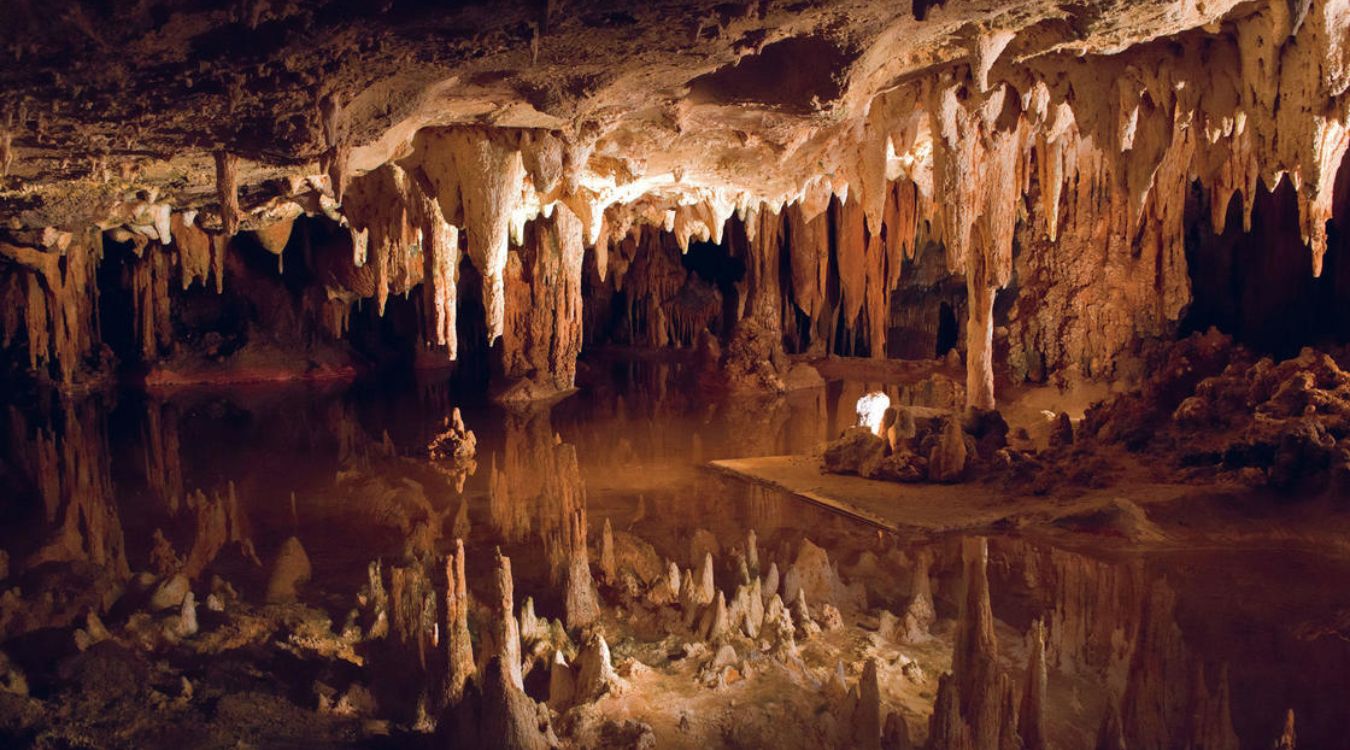
Have you ever wondered what lies beneath the surface of Virginia? Madison Cave offers a glimpse into a hidden world of geological wonders. This cave, located in the Shenandoah Valley, is a treasure for geology enthusiasts and curious minds alike. Formed over millions of years, Madison Cave showcases unique rock formations, intricate passageways, and fascinating mineral deposits. Exploring this subterranean marvel reveals the Earth's history layer by layer. Whether you're a seasoned spelunker or a first-time visitor, Madison Cave promises an unforgettable adventure. Ready to uncover the secrets of Virginia's underground? Let's dive into the geology of Madison Cave!
Virginia's Hidden Gem: Madison Cave
Madison Cave, located in the heart of Virginia, offers a unique glimpse into the state's geological history. This cave is not just a natural wonder but also a treasure trove of geological secrets waiting to be uncovered. Let's dive into the fascinating aspects of Madison Cave's geology.
The Formation of Madison Cave
Understanding how Madison Cave formed provides insight into the geological processes that shaped it. The cave's formation is a story of time, pressure, and natural forces.
Limestone Bedrock: Madison Cave is primarily composed of limestone, a sedimentary rock formed from ancient marine organisms. Over millions of years, the accumulation of these organisms' shells and skeletons created thick limestone layers.
Karst Topography: The region around Madison Cave features karst topography, characterized by sinkholes, underground rivers, and caves. This landscape results from the dissolution of soluble rocks like limestone, creating voids and passages.
Water Erosion: Water plays a crucial role in cave formation. Rainwater, slightly acidic due to dissolved carbon dioxide, seeps into the ground and slowly dissolves the limestone, enlarging cracks and forming underground chambers.
Unique Geological Features
Madison Cave boasts several unique geological features that make it a must-visit for geology enthusiasts. These features provide a window into the cave's history and the forces that shaped it.
Stalactites and Stalagmites: These iconic formations result from mineral-laden water dripping from the cave ceiling. Stalactites hang from the ceiling, while stalagmites rise from the floor, often meeting to form columns.
Flowstone: Flowstone forms when water flows over walls or floors, depositing layers of minerals. This creates smooth, sheet-like formations that can resemble frozen waterfalls.
Cave Bacon: Thin, ribbon-like formations known as cave bacon or draperies occur when water flows along sloped surfaces, depositing minerals in wavy patterns.
Fossils and Ancient Life
Madison Cave is not just a geological wonder; it also holds clues to ancient life. Fossils found within the cave provide a glimpse into the past, revealing the types of organisms that once inhabited the area.
Marine Fossils: The limestone in Madison Cave contains numerous marine fossils, including shells, corals, and trilobites. These fossils indicate that the area was once covered by a shallow sea.
Pleistocene Epoch: Fossils from the Pleistocene Epoch, including bones of ancient mammals, have been discovered in the cave. These findings help scientists understand the region's prehistoric ecosystem.
The Role of Madison Cave in Geological Research
Madison Cave has been a focal point for geological research, contributing valuable data to the scientific community. Researchers study the cave to learn more about Earth's history and the processes that shape it.
Speleothem Analysis: Scientists analyze speleothems (cave formations) to study past climate conditions. By examining the layers of minerals, researchers can infer changes in temperature and precipitation over thousands of years.
Hydrogeology: The study of water flow within Madison Cave helps researchers understand groundwater systems. This knowledge is crucial for managing water resources and protecting the environment.
Visiting Madison Cave
For those interested in experiencing Madison Cave firsthand, visiting offers an opportunity to witness its geological wonders up close. Guided tours provide insights into the cave's history and formation.
Educational Tours: Guided tours of Madison Cave offer educational experiences, explaining the cave's geology, history, and significance. Visitors can see formations like stalactites, stalagmites, and flowstone up close.
Cave Conservation: Efforts to preserve Madison Cave ensure that future generations can enjoy its beauty. Conservation measures include limiting visitor numbers, protecting delicate formations, and monitoring environmental conditions.
Discovering Madison Cave's Geology
Madison Cave in Virginia offers a unique glimpse into geological history. Its limestone formations and stalactites tell stories of ancient seas and shifting landscapes. Exploring this cave reveals the natural processes that shaped it over millions of years. The cave's geological features are not just visually stunning but also scientifically significant, providing valuable insights into Earth's past.
Visitors can appreciate the intricate rock formations and crystal-clear pools that make Madison Cave a geological wonder. Whether you're a geology enthusiast or just someone who loves natural beauty, this cave has something to offer. It's a reminder of the powerful forces that shape our planet and the hidden treasures beneath our feet.
Plan a visit to Madison Cave to experience its geological marvels firsthand. It's a journey through time that you won't forget.
