

Secrets Of Virginia’s Cave Research Facility
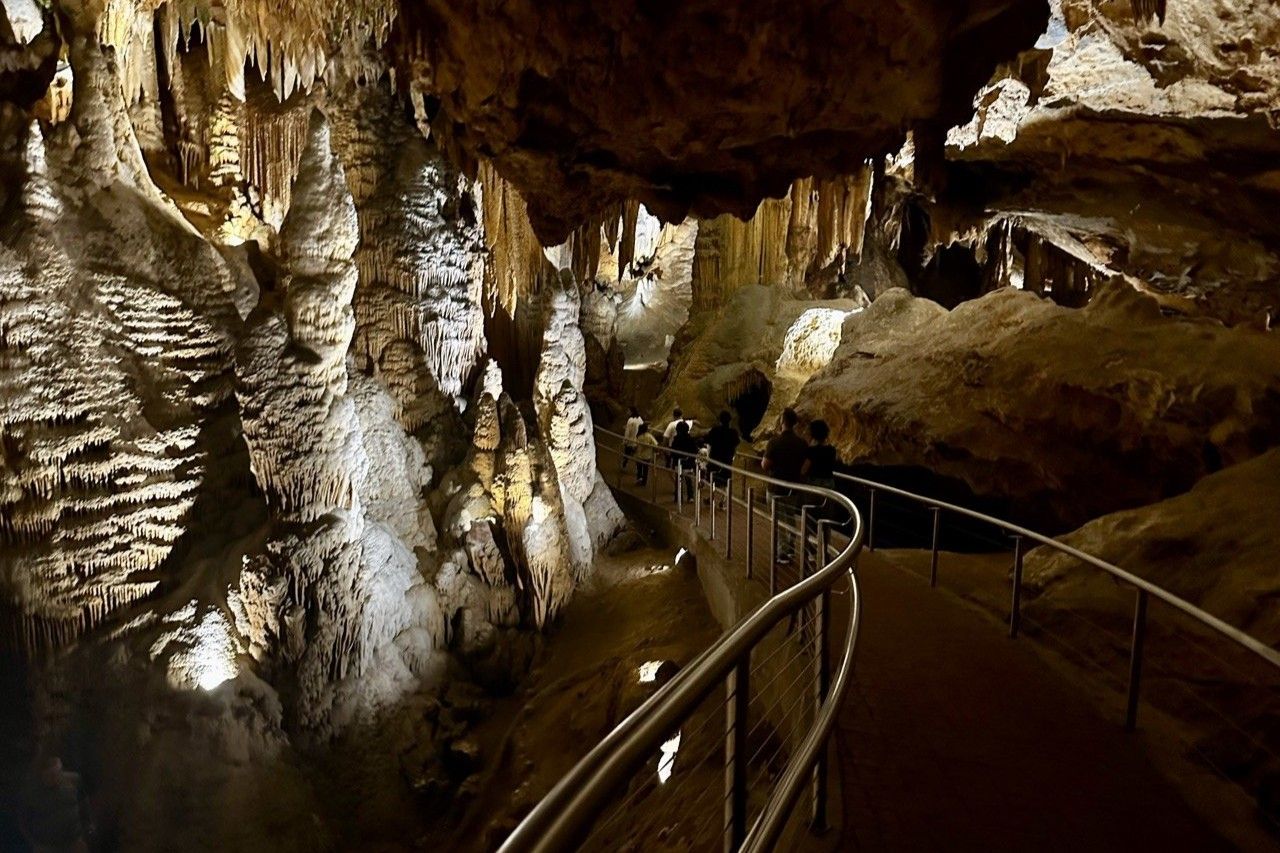
Have you ever wondered what lies beneath Virginia's rolling hills? Hidden from plain sight, the Virginia Cave Research Facility offers a glimpse into an underground world teeming with secrets. This unique site isn't just for scientists; it's a treasure for anyone curious about geology, biology, or history. Imagine walking through ancient passages, discovering rare minerals, and learning about the creatures that call these caves home. Whether you're an adventurer or a student, this facility promises an unforgettable experience. Ready to uncover the mysteries of Virginia's subterranean wonders? Let's delve into what makes this place so special.
Secrets of Virginia's Cave Research Facility
Virginia's underground world is a treasure chest of natural wonders and scientific mysteries. The state's cave research facilities are at the forefront of exploring these hidden realms. Let's dive into some of the most fascinating places where researchers unlock the secrets of the subterranean world.
1. Luray Caverns
Luray Caverns is a must-see for anyone interested in cave research. Known for its towering stalactites and stalagmites, this cavern offers a glimpse into the geological processes that shape our planet. Researchers study the mineral formations and water flow patterns to understand the cave's history and evolution.
2. Skyline Caverns
Skyline Caverns is another gem in Virginia's cave research landscape. This site is famous for its rare anthodites, also known as "orchids of the mineral kingdom." Scientists here focus on the unique mineralogy and the cave's microclimate, providing valuable data for broader geological studies.
3. Endless Caverns
Endless Caverns lives up to its name with a seemingly infinite network of underground passages. Researchers are particularly interested in the cave's biodiversity. The unique ecosystem includes rare species of bats, insects, and microorganisms, making it a hotspot for biological studies.
4. Shenandoah Caverns
Shenandoah Caverns offers more than just stunning rock formations. This site is a hub for studying cave acoustics. The natural amphitheater-like spaces within the caverns provide an excellent environment for understanding how sound waves travel underground, which has applications in both science and engineering.
5. Grand Caverns
Grand Caverns is the oldest continually operating show cave in the United States. Researchers here focus on the cave's historical significance and its role in early American tourism. The site also offers insights into the preservation of natural landmarks, making it a valuable resource for conservation studies.
6. Dixie Caverns
Dixie Caverns is a smaller but equally fascinating research site. Known for its intricate crystal formations, this cave is a hotspot for mineralogical studies. Scientists analyze the crystal growth patterns to understand the conditions that lead to their formation, contributing to broader geological knowledge.
7. Natural Bridge Caverns
Natural Bridge Caverns is not just a tourist attraction; it's a vital research site. The cave's unique geology and hydrology make it an excellent location for studying underground water systems. Researchers here focus on water quality and flow patterns, which have implications for environmental science and resource management.
8. Gap Cave
Gap Cave, located in Cumberland Gap National Historical Park, offers a unique blend of history and science. Researchers study the cave's role in early American history while also focusing on its geological and biological features. The cave's diverse ecosystem provides valuable data for ecological studies.
9. Caverns at Natural Tunnel State Park
The Caverns at Natural Tunnel State Park are a lesser-known but equally important research site. Scientists here study the cave's unique formations and its role in the local ecosystem. The site also offers opportunities for studying the impact of human activity on cave environments.
10. Buchanan Saltpeter Cave
Buchanan Saltpeter Cave has a rich history of saltpeter mining, which was crucial for gunpowder production during the Civil War. Today, researchers focus on the cave's historical significance and its unique mineralogy. The site offers a fascinating glimpse into the intersection of natural history and human activity.
Virginia's cave research facilities are more than just tourist attractions; they are vital centers for scientific discovery. Each site offers unique opportunities for studying geology, biology, and history, making them invaluable resources for researchers and enthusiasts alike.
Virginia's Hidden Gem
Virginia's Cave Research Facility offers a unique glimpse into the underground world. This hidden gem provides valuable insights into geology, biology, and environmental science. Visitors can explore stunning formations, learn about cave ecosystems, and understand the importance of conservation efforts.
The facility isn't just for scientists. It's a fascinating destination for anyone curious about the natural world. Guided tours make the experience accessible and educational for all ages. Whether you're a student, a nature enthusiast, or just looking for an adventure, this place has something to offer.
Don't miss the chance to visit this remarkable site. It's a rare opportunity to see the wonders beneath our feet and appreciate the delicate balance of nature. Virginia's Cave Research Facility is more than just a research center; it's a window into a hidden world waiting to be explored.
