Iron Forging Secrets Of Colonial Williamsburg
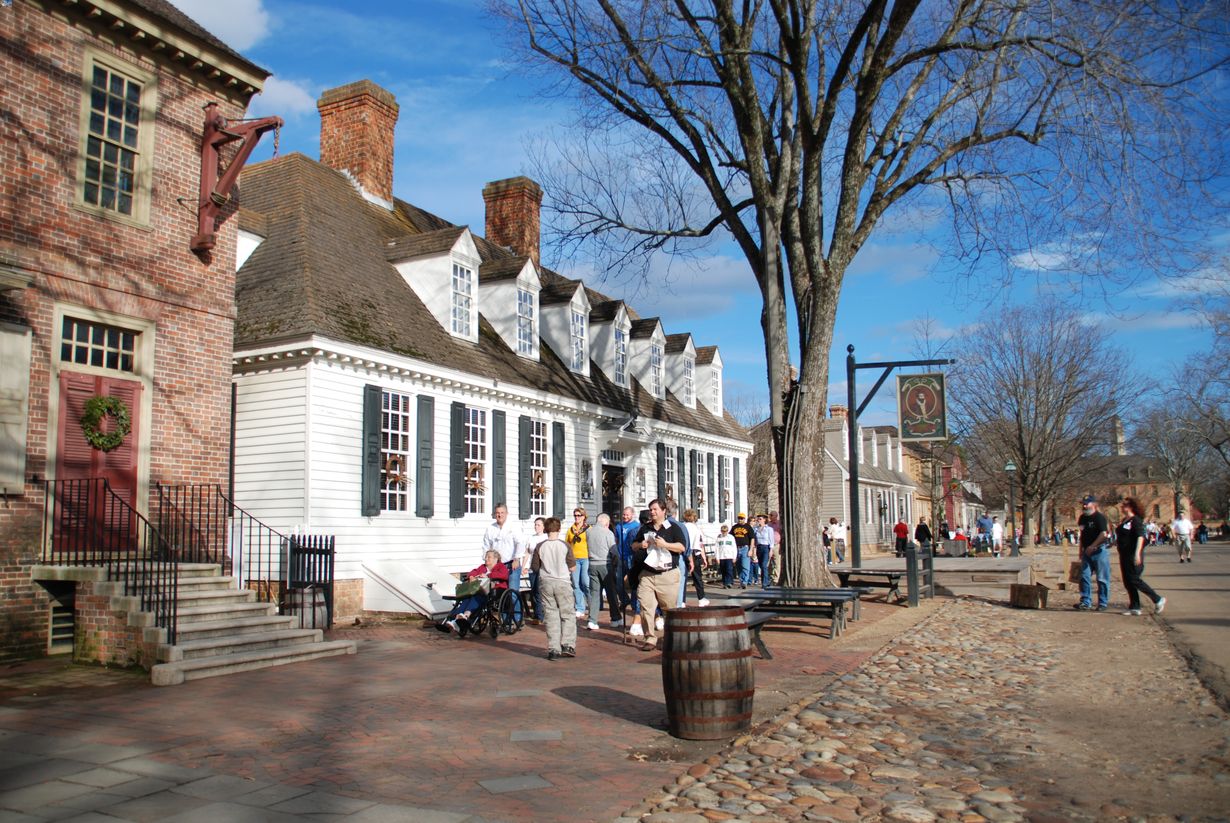
Have you ever wondered how blacksmiths in Colonial Williamsburg crafted their tools and weapons? Iron forging in this historic town is a fascinating blend of skill, tradition, and hard work. Blacksmiths used techniques passed down through generations to create everything from horseshoes to intricate locks. The clang of hammers on anvils and the glow of hot metal transport you back to a time when every item was handmade. Visiting Colonial Williamsburg offers a unique chance to see these artisans in action, understand their methods, and appreciate the craftsmanship that went into everyday items. Ready to step back in time and witness the magic of iron forging?
The Art of Iron Forging in Colonial Williamsburg
Colonial Williamsburg, a living history museum in Virginia, offers a unique glimpse into the past. Among its many attractions, the blacksmith shop stands out. Here, skilled artisans demonstrate the ancient craft of iron forging, a vital trade in the 18th century. Let's explore some secrets of iron forging in Colonial Williamsburg.
The Blacksmith Shop
The blacksmith shop is the heart of iron forging in Colonial Williamsburg. Visitors can watch blacksmiths at work, creating everything from nails to intricate tools. The shop is filled with the sounds of hammers striking anvils and the glow of hot metal.
The Forge: The forge is the centerpiece of the blacksmith shop. It’s where metal is heated until it’s red-hot and malleable. The intense heat, often reaching over 2,000 degrees Fahrenheit, allows blacksmiths to shape iron into various forms.
The Anvil: An essential tool, the anvil provides a sturdy surface for shaping hot metal. Blacksmiths use different parts of the anvil for various tasks, such as flattening, bending, and cutting.
The Hammer: Blacksmiths use a variety of hammers, each designed for specific tasks. The cross-peen hammer, for example, is ideal for drawing out metal, while the ball-peen hammer is used for peening and shaping.
Techniques of Iron Forging
Iron forging involves several techniques that have been passed down through generations. These methods are still used by the blacksmiths in Colonial Williamsburg to create authentic 18th-century items.
Drawing Out: This technique involves lengthening the metal by hammering it. Blacksmiths use drawing out to create long, thin pieces like nails and hooks.
Upsetting: Upsetting thickens the metal by compressing it. This technique is used to create strong joints and to add decorative elements to ironwork.
Bending: Bending involves heating the metal and then shaping it around a form or using tools. This technique is essential for creating items like hinges and brackets.
Tools of the Trade
The tools used by blacksmiths are as important as their skills. Each tool has a specific purpose and helps the blacksmith achieve precise results.
Tongs: Tongs are used to hold and manipulate hot metal. Blacksmiths have different types of tongs for various tasks, such as flat tongs for holding flat pieces and bolt tongs for gripping round objects.
Chisels: Chisels are used for cutting and shaping metal. Hot chisels are used on heated metal, while cold chisels are for cutting metal at room temperature.
Swage Block: A swage block is a large, heavy block with various shapes and sizes of indentations. Blacksmiths use it to shape metal into different forms, such as making round or square holes.
The Role of Apprentices
In Colonial Williamsburg, apprentices play a crucial role in the blacksmith shop. They learn the trade by working alongside experienced blacksmiths, gradually mastering the skills needed to become journeymen and eventually master blacksmiths.
Learning the Basics: Apprentices start by learning basic skills, such as maintaining the forge and handling tools. They gradually take on more complex tasks as they gain experience.
Creating Simple Items: As apprentices become more skilled, they begin creating simple items like nails and hooks. This practice helps them develop precision and control.
Advanced Techniques: Eventually, apprentices learn advanced techniques like welding and tempering. These skills are essential for creating high-quality ironwork.
The Importance of Iron Forging in Colonial Times
Iron forging was a vital trade in colonial times, providing essential tools and hardware for everyday life. Blacksmiths created everything from horseshoes to cooking utensils, playing a crucial role in the community.
Tools and Hardware: Blacksmiths made tools for farmers, carpenters, and other tradespeople. Their work was essential for building and maintaining homes, barns, and other structures.
Household Items: Everyday items like pots, pans, and candle holders were crafted by blacksmiths. These items were not only functional but often beautifully decorated.
Weapons and Armor: During times of conflict, blacksmiths produced weapons and armor. Their skills were crucial for the defense of the community.
The Legacy of Colonial Williamsburg's Iron Forging
Colonial Williamsburg's iron forging offers a glimpse into the past. Blacksmiths here use traditional methods, creating tools and art just like in the 18th century. Watching them work is like stepping back in time. The clang of hammers and the glow of the forge bring history to life.
Visitors can see the skill and dedication required for this craft. It's not just about making things; it's about preserving a piece of history. The blacksmiths' work connects us to the people who built our world.
Exploring this craft helps us appreciate the hard work and creativity of early Americans. It reminds us of the importance of preserving these traditions. Colonial Williamsburg's iron forging is more than a tourist attraction. It's a living museum, keeping history alive for future generations.