

Hidden Ice Cutting Houses Of Vermont’s White River Valley
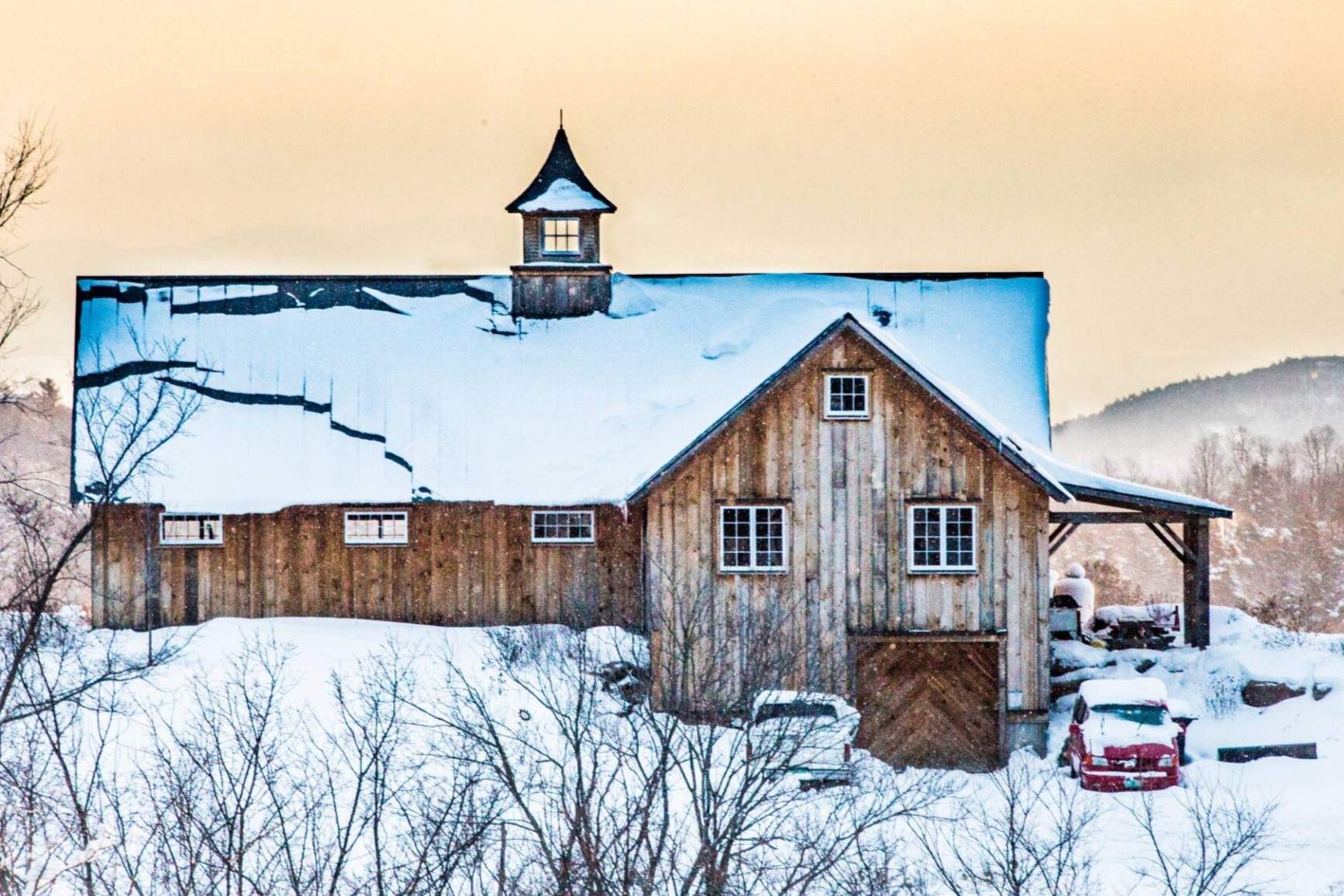
Have you ever wondered about the hidden ice cutting houses of Vermont's White River Valley? These unique structures, tucked away in the picturesque landscape, hold a fascinating slice of history. Long before modern refrigeration, ice cutting was a vital industry. Workers braved the cold to harvest large blocks of ice from frozen rivers and lakes, storing them in these special houses. The ice would then be used throughout the year to keep food fresh. Today, these historic sites offer a glimpse into a bygone era. Whether you're a history buff or just curious, exploring these hidden gems is a must.
Hidden Ice Cutting Houses of Vermont's White River Valley
Vermont's White River Valley is a treasure chest of history and natural beauty. Among its many secrets are the hidden ice cutting houses that once played a crucial role in the local economy. These structures, often overlooked, offer a glimpse into a bygone era when ice was a valuable commodity. Let's uncover some of these fascinating places.
1. Tunbridge Ice House
Nestled in the quaint town of Tunbridge, this ice house stands as a testament to the ingenuity of early Vermonters. Built in the late 1800s, it was used to store ice harvested from the nearby river. The thick walls and insulated roof kept the ice from melting, ensuring a steady supply throughout the warmer months.
2. Bethel Ice House
Located in the heart of Bethel, this ice house is a relic of the town's industrious past. It served the community by providing ice for food preservation and cooling. The structure, though weathered, still exudes a rustic charm that transports visitors back in time.
3. Randolph Ice House
Randolph's ice house is a hidden gem, tucked away near the riverbank. This building played a pivotal role in the town's ice trade, supplying ice to local businesses and households. Its sturdy construction and strategic location made it a vital part of Randolph's economy.
4. Royalton Ice House
In Royalton, the ice house is a symbol of the town's rich history. Situated near the White River, it was ideally positioned for ice harvesting. The ice house not only provided a necessary resource but also fostered a sense of community as neighbors came together to cut and store ice.
5. Sharon Ice House
Sharon's ice house is a fascinating piece of the town's heritage. This structure, built with meticulous craftsmanship, was essential for preserving food and keeping drinks cool. The ice house stands as a reminder of the town's resourcefulness and the importance of ice in daily life.
6. Stockbridge Ice House
Stockbridge boasts an ice house that once served as a hub for the local ice trade. Positioned near a natural ice source, it was perfectly situated for efficient ice harvesting. The ice house played a crucial role in the town's economy, providing a steady supply of ice to residents and businesses alike.
7. Rochester Ice House
Rochester's ice house is a hidden treasure, reflecting the town's industrious spirit. This structure was integral to the community, ensuring that ice was available year-round. The ice house's design and location highlight the ingenuity of early Vermonters in utilizing natural resources.
8. Granville Ice House
Granville's ice house, though lesser-known, is a significant part of the town's history. It served as a vital storage facility for ice harvested from the nearby river. The ice house's robust construction and strategic placement underscore its importance in the local economy.
9. Hancock Ice House
Hancock's ice house is a charming relic of the past. This structure was essential for the town's ice trade, providing a reliable source of ice for various uses. The ice house stands as a testament to the town's resourcefulness and the critical role of ice in everyday life.
10. Pittsfield Ice House
Pittsfield's ice house is a hidden gem that played a crucial role in the town's history. Located near a natural ice source, it was ideally positioned for efficient ice harvesting. The ice house's sturdy construction and strategic location made it a vital part of Pittsfield's economy.
Vermont's Hidden Ice Cutting Houses
Vermont's White River Valley holds a unique piece of history with its hidden ice cutting houses. These structures, once vital for preserving food and keeping drinks cold, now stand as reminders of a bygone era. Exploring these hidden gems offers a glimpse into the past, showcasing the ingenuity and hard work of those who lived here.
Visiting these sites is not just about seeing old buildings. It's about understanding the community's resilience and resourcefulness. The ice cutting houses tell stories of how people adapted to their environment, making the most of what they had.
Next time you're in Vermont, take a moment to appreciate these historical landmarks. They are more than just relics; they are a testament to the spirit of the White River Valley. Discovering them adds a rich layer to your travel experience, connecting you to the heart of Vermont's history.
