Secrets Of Utah’s Parowan Gap Petroglyphs
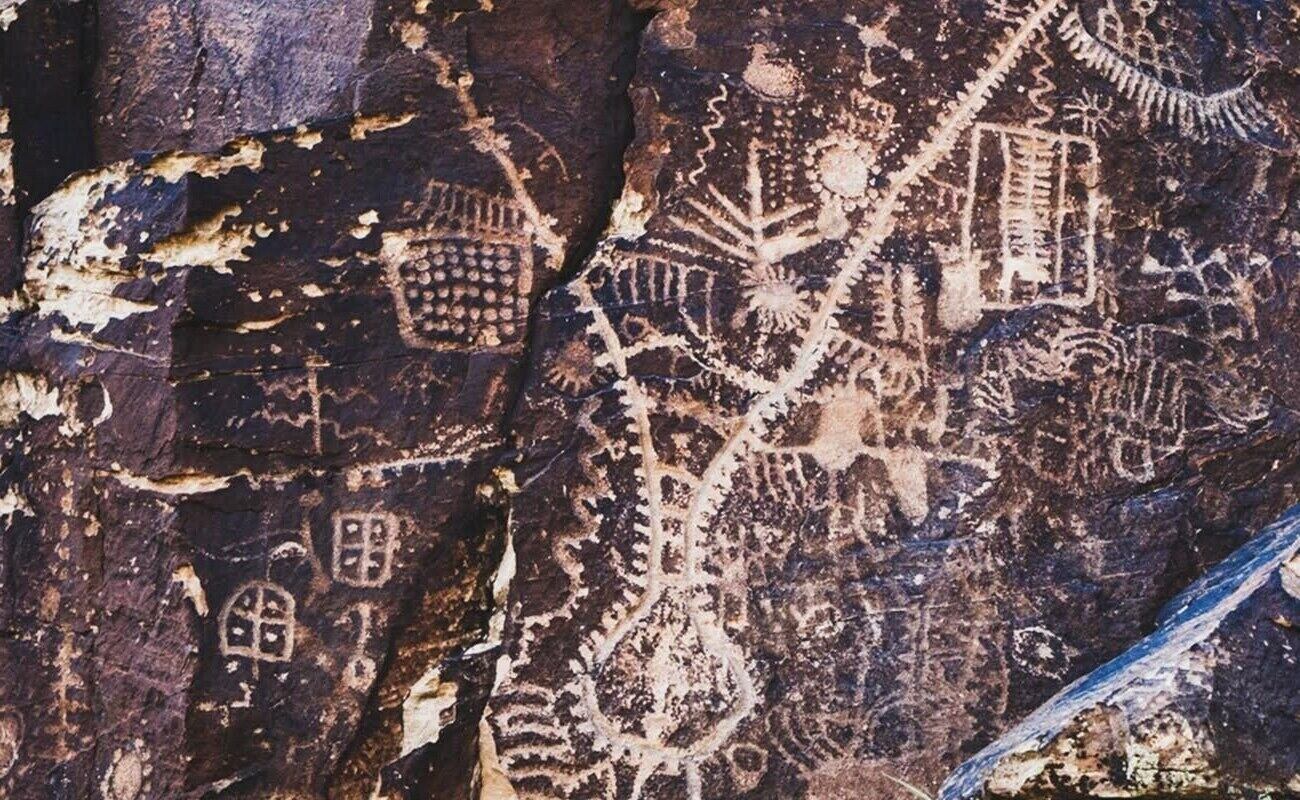
Have you ever wondered about the ancient stories carved into rocks? Parowan Gap Petroglyphs in Utah hold some of the most fascinating rock art in North America. These carvings, etched by Native Americans thousands of years ago, tell tales of their daily lives, spiritual beliefs, and cosmic observations. Located in a narrow pass through the Red Hills, the site is a natural gallery of symbols and figures. Some believe the petroglyphs are a calendar or map, while others think they are messages from the past. Visiting Parowan Gap offers a unique glimpse into the rich history and culture of the region.
Secrets of Utah's Parowan Gap Petroglyphs
Utah's Parowan Gap is a treasure trove of ancient rock art. These petroglyphs, etched into the rock by Native Americans, tell stories that have fascinated historians and visitors alike. Let's delve into some of the most intriguing aspects of this mysterious site.
The Solar Calendar
The Parowan Gap petroglyphs are more than just art; they are a sophisticated solar calendar. Ancient people used these carvings to track the sun's movements throughout the year.
Equinox Marker: One of the most famous petroglyphs is the equinox marker. On the equinox, the sun aligns perfectly with this carving, casting a shadow that marks the change of seasons.
Solstice Indicators: Several petroglyphs align with the sun during the summer and winter solstices. These carvings helped ancient people know when to plant and harvest crops.
Lunar Phases: Some petroglyphs also track the moon's phases, providing a comprehensive calendar system.
Animal Symbols
Animal symbols are a common theme in the Parowan Gap petroglyphs. These carvings offer a glimpse into the wildlife that once roamed the area and the spiritual significance they held.
Bighorn Sheep: Often depicted in hunting scenes, bighorn sheep were a vital food source and held spiritual significance for the ancient people.
Snakes: Snakes are frequently found in the petroglyphs, symbolizing transformation and rebirth.
Birds: Birds, especially eagles, are depicted as messengers between the earthly and spiritual realms.
Human Figures
Human figures in the petroglyphs provide insight into the daily lives and spiritual practices of the ancient inhabitants.
Shamans: Some carvings depict shamans or spiritual leaders, often shown with elaborate headdresses and surrounded by symbols of power.
Hunters: Scenes of hunters with bows and arrows give us a glimpse into the hunting practices and tools used by these ancient people.
Dancers: Depictions of dancers suggest that dance played a significant role in their rituals and celebrations.
Geometric Patterns
Geometric patterns are another fascinating aspect of the Parowan Gap petroglyphs. These designs are thought to have symbolic meanings or to represent celestial events.
Spirals: Spirals are a common motif, often interpreted as symbols of life, death, and rebirth.
Circles: Circles may represent the sun, moon, or cycles of time.
Grid Patterns: Some petroglyphs feature grid patterns, possibly used for mapping or as part of their calendar system.
Theories and Interpretations
Scholars have proposed various theories to explain the meanings behind the Parowan Gap petroglyphs. While some interpretations are widely accepted, others remain subjects of debate.
Astronomical Alignments: Many believe the petroglyphs were used to track celestial events, serving as an ancient observatory.
Spiritual Significance: Others argue that the carvings had spiritual or religious purposes, acting as a medium for communication with the divine.
Historical Records: Some scholars think the petroglyphs serve as historical records, documenting significant events and daily life.
Visiting Parowan Gap
If you're planning a visit to Parowan Gap, there are a few things to keep in mind to make the most of your trip.
Guided Tours: Consider taking a guided tour to gain deeper insights into the petroglyphs and their meanings.
Respect the Site: Remember that Parowan Gap is a sacred site. Treat it with respect by not touching or defacing the petroglyphs.
Best Time to Visit: The best time to visit is during the equinoxes or solstices when the petroglyphs' alignments with the sun are most apparent.
Discover the Magic of Parowan Gap Petroglyphs
Parowan Gap Petroglyphs offer a unique glimpse into ancient cultures. These rock carvings, etched by Native Americans, tell stories of their lives, beliefs, and environment. Visiting this site is like stepping back in time, connecting with history in a tangible way. The petroglyphs are not just art; they are historical records that have stood the test of time.
Exploring Parowan Gap is an adventure for history buffs, nature lovers, and anyone curious about the past. The surrounding landscape adds to the experience, with stunning views and a sense of tranquility. Remember to respect the site, preserving it for future generations.
Plan your visit to Parowan Gap Petroglyphs and witness the magic of these ancient carvings. It's a journey through time that you won't forget.