

Secrets Of Utah’s Great Salt Lake Trading Routes
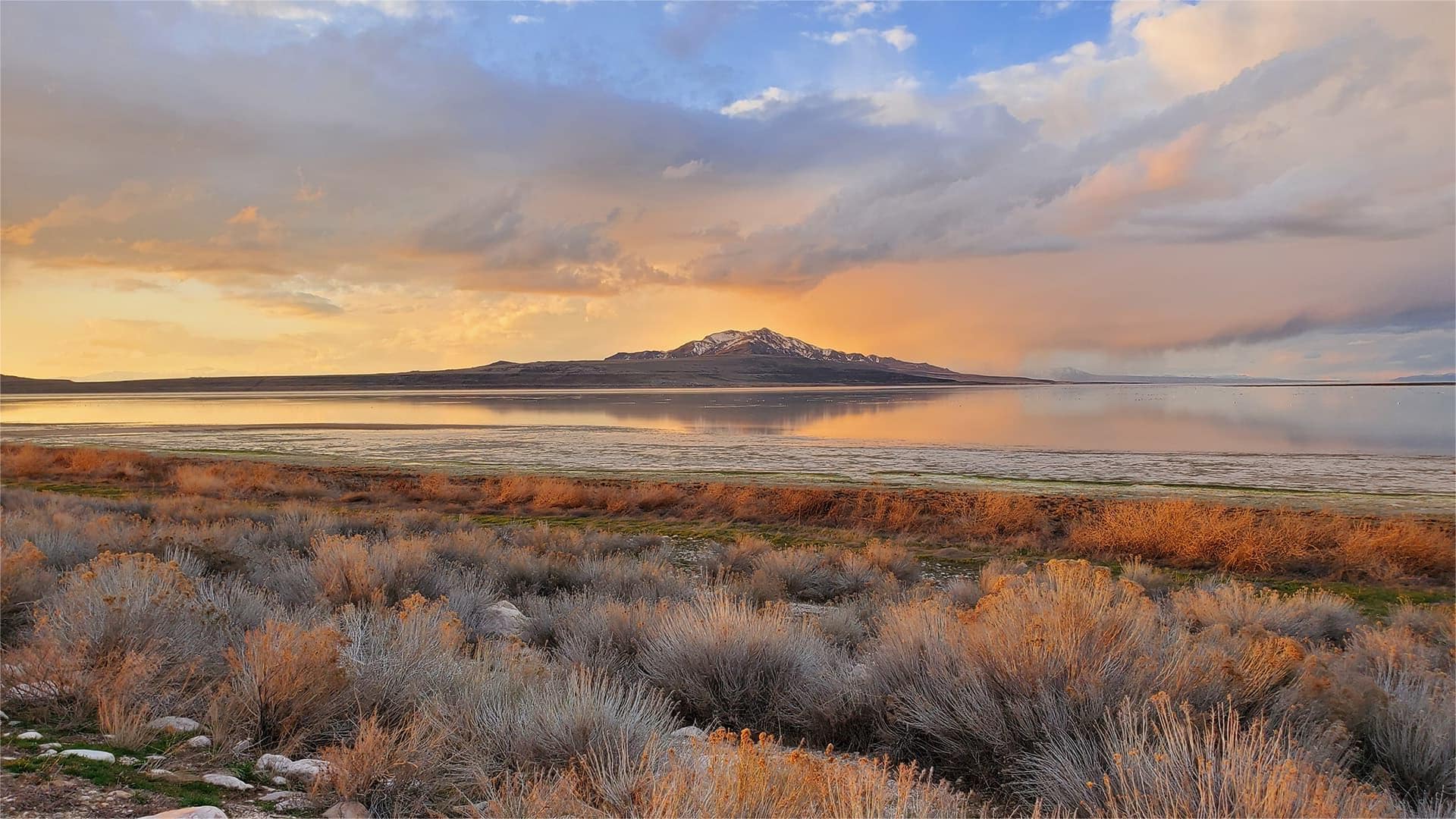
Have you ever wondered about the secrets of Utah's Great Salt Lake trading routes? This vast, salty expanse isn't just a natural wonder; it has a rich history of trade and travel. Early settlers and Native American tribes used these routes for trading goods, sharing stories, and connecting communities. The lake's unique geography made it a crucial hub for commerce. Even today, you can trace the paths taken by those early traders and imagine the bustling activity that once filled the area. Ready to dive into the fascinating history of these ancient routes? Let's explore together!
The Great Salt Lake: A Historical Overview
The Great Salt Lake, located in northern Utah, is the largest saltwater lake in the Western Hemisphere. Its unique ecosystem and rich history make it a fascinating destination. Over the years, it has served as a vital trading route for various cultures and communities.
Ancient Native American Trading Routes
Long before European settlers arrived, Native American tribes utilized the Great Salt Lake for trade. These routes were essential for exchanging goods, ideas, and culture.
- Promontory Point: This area was a significant meeting place for tribes such as the Shoshone and Ute. They traded items like obsidian, pottery, and foodstuffs.
- Antelope Island: Known for its abundant wildlife, this island was a hub for trading animal hides and meat.
- Bear River Bay: Located at the northern end of the lake, this bay was a crucial point for trading fish and other aquatic resources.
European Exploration and Trade
European explorers and settlers brought new goods and trading practices to the region. The Great Salt Lake became a focal point for fur trappers and traders.
- Fort Buenaventura: Established by fur trappers in the 1840s, this fort became a key trading post for beaver pelts and other fur-bearing animals.
- Salt Lake City: Founded by Mormon pioneers in 1847, the city quickly became a central trading hub for settlers moving westward.
- Ogden: This city emerged as a major railroad junction, facilitating the exchange of goods between the East and West.
Modern Trading Routes and Economic Impact
Today, the Great Salt Lake continues to play a vital role in Utah's economy. Modern trading routes have evolved, but the lake remains a significant asset.
- Interstate 80: Running along the southern edge of the lake, this highway is a crucial route for transporting goods across the country.
- Great Salt Lake Minerals: The extraction of minerals like salt and magnesium from the lake contributes significantly to the local economy.
- Port of Salt Lake: This inland port facilitates the movement of goods to and from the region, connecting Utah to global markets.
Environmental and Cultural Significance
The Great Salt Lake is not just a trading route; it holds immense environmental and cultural importance. Efforts to preserve its unique ecosystem are ongoing.
- Bear River Migratory Bird Refuge: This refuge is a critical habitat for millions of migratory birds, making it a vital ecological site.
- Spiral Jetty: Created by artist Robert Smithson, this earthwork sculpture highlights the lake's cultural and artistic significance.
- Great Salt Lake State Park: Offering recreational activities like boating and birdwatching, this park helps educate visitors about the lake's importance.
Future Prospects and Challenges
The Great Salt Lake faces numerous challenges, including water diversion and climate change. However, its potential for future trading routes and economic development remains strong.
- Water Conservation Projects: Initiatives aimed at preserving the lake's water levels are crucial for maintaining its ecological balance.
- Renewable Energy: The area around the lake has potential for solar and wind energy projects, which could provide new economic opportunities.
- Tourism Development: Enhancing tourism infrastructure can attract more visitors, boosting the local economy while promoting the lake's natural beauty.
The Timeless Allure of Utah's Great Salt Lake Trading Routes
Utah's Great Salt Lake trading routes offer a glimpse into a rich history. These paths were vital for trade and cultural exchange, shaping the region's development. Exploring these routes, you can see how ancient traders navigated the landscape, connecting communities and fostering economic growth.
The Great Salt Lake itself adds to the experience. Its unique ecosystem and stunning vistas provide a backdrop that enhances the journey. Whether you're a history buff or nature lover, these routes offer something special.
Visiting these trading routes isn't just about the past. It's about understanding how history continues to influence the present. The stories and landscapes you encounter will leave a lasting impression, making you appreciate the enduring legacy of Utah's Great Salt Lake trading routes.
